Seoul Firefighter Who Rescued Itaewon Victims Found Dead, Sparking Calls for Better Mental‑Health Support for First Responders
The city of Seoul is mourning yet another loss tied to the October 29, 2022, crowd crush that ripped through the nightlife district of Itaewon, killing more than 150 people and leaving a deep scar on the nation. This time the grief is personal: a 34‑year‑old firefighter who helped pull victims from the tangled mass of bodies has been confirmed dead after a ten‑day disappearance that began with a brief apology note.
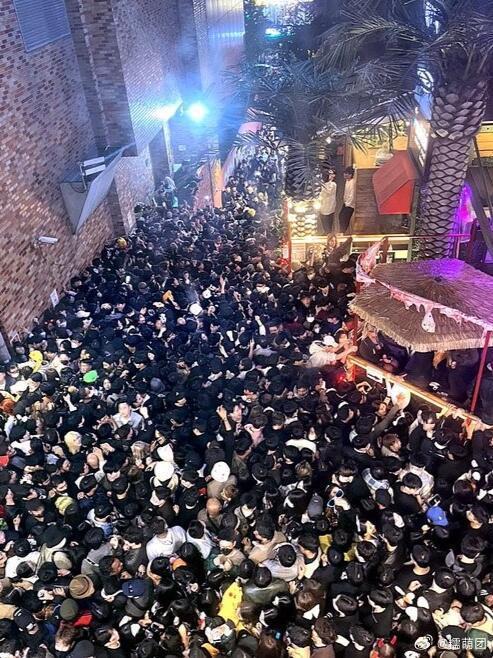
The firefighter, identified only as “A” in police reports, was among the first responders dispatched after emergency calls flooded the Seoul Fire Department’s 10:15 p.m. alarm on the night of the disaster. By 10:43 p.m. the department had issued an official alert, mobilising crews to a scene that would test even the most seasoned crews. Over the next days, firefighters, police officers and medical staff worked around the clock, rescuing the injured, retrieving the deceased and trying to bring order to a tragedy that left the city’s streets empty and its collective psyche shaken.
For A, the physical demands of the rescue were only part of the ordeal. According to statements from colleagues and the firefighter’s family, he began showing signs of severe depression in the weeks that followed, a condition that was later confirmed by mental‑health professionals. “Seeing that kind of scene will cause great psychological trauma,” one social‑media user wrote in Chinese, echoing a broader sentiment that the trauma of witnessing mass death can leave “invisible wounds” that linger long after the first flames are extinguished.
On a rainy afternoon in late 2022, A left a short note apologising for his absence, then vanished. His family reported him missing on the evening of November 5, and a search was launched. Ten days later, police discovered his body in a remote area outside the city, confirming that he had taken his own life. The tragedy resurfaced in the public eye on August 20, 2024, when Korean media reported the death and explicitly linked it to the depression that stemmed from the Itaewon rescue operation. The renewed coverage sparked a wave of online tributes, with commenters expressing sorrow, admiration for the firefighter’s bravery, and a renewed urgency to address mental‑health gaps for first responders.
The outpouring of empathy is palpable. Users posted messages such as “Firefighters, no matter the country, are a very respectable profession” and “Rest in peace,” underscoring the respect many hold for those who rush into danger. At the same time, a chorus of criticism grew louder: “12 interventions still couldn’t help,” one user lamented, pointing to a series of psychological treatments the firefighter had undergone without relief. The thread of conversation has become a de facto petition for more robust, accessible mental‑health services for emergency personnel—an issue that, until now, has lingered in the shadows of public policy.
Experts warn that the emotional toll on those who confront mass‑casualty events is often underestimated. “We tend to focus on physical safety and operational efficiency, but the psychological aftermath can be just as lethal,” said Dr. Lee Min‑soo, a psychiatrist who works with Seoul’s fire department. He noted that while the department provides crisis counseling after major incidents, the stigma surrounding mental‑health care can deter workers from seeking help, and that ongoing support—rather than a single post‑incident session—is crucial.
The tragedy has already prompted a tentative response from officials. The Ministry of the Interior and Safety announced plans to audit existing mental‑health programs for firefighters and to allocate additional funding for continuous counseling services. Meanwhile, the Seoul Fire Department is reviewing its training curriculum to embed psychological resilience modules alongside the traditional physical and tactical instruction.
Public reaction also reflects a broader reckoning with the Itaewon disaster itself. The crowd crush, triggered by a narrow alleyway becoming a choke point for revelers, exposed shortcomings in crowd‑control planning and emergency coordination. The recent death of a rescuer who bore the emotional scars of that night adds a new layer to the national conversation about preparedness, accountability and the hidden costs of large‑scale events.
In the weeks ahead, families and colleagues of the late firefighter will likely seek answers not only about the personal tragedy but also about systemic changes that could prevent similar outcomes. For a city still trying to heal from an event that rattled its identity, the loss serves as a stark reminder that the aftermath of disaster does not end when the last victim is recovered; it continues in the silent battles fought by those who answered the call.
As South Korea mourns, the story of A—once a nameless hero in the night of October 29—has become a catalyst for a much‑needed dialogue on mental health, support structures, and the invisible wounds carried by those who stand on the front lines of crisis. His death, tragic and preventable, may yet spark the reforms that honor his sacrifice and protect the well‑being of the many who, day after day, risk both body and spirit to keep others safe.