Small Dogs Allowed on China's High-Speed Trains, But Larger Breeds Left Behind
Starting from April 8th, the railway department will launch a pilot program for high-speed rail pet transportation services on certain Beijing-Shanghai high-speed rail lines. This service will allow passengers to transport their pets in a separate, specially designed carriage, with a maximum weight limit of 15 kilograms and a height limit of 40 centimeters. The high-speed rail pet transportation service will operate on designated trains, including the G119/118, G121/122, G127, G134, G183/184, and G195/196. Passengers can book the pet transportation service online at least two days in advance.
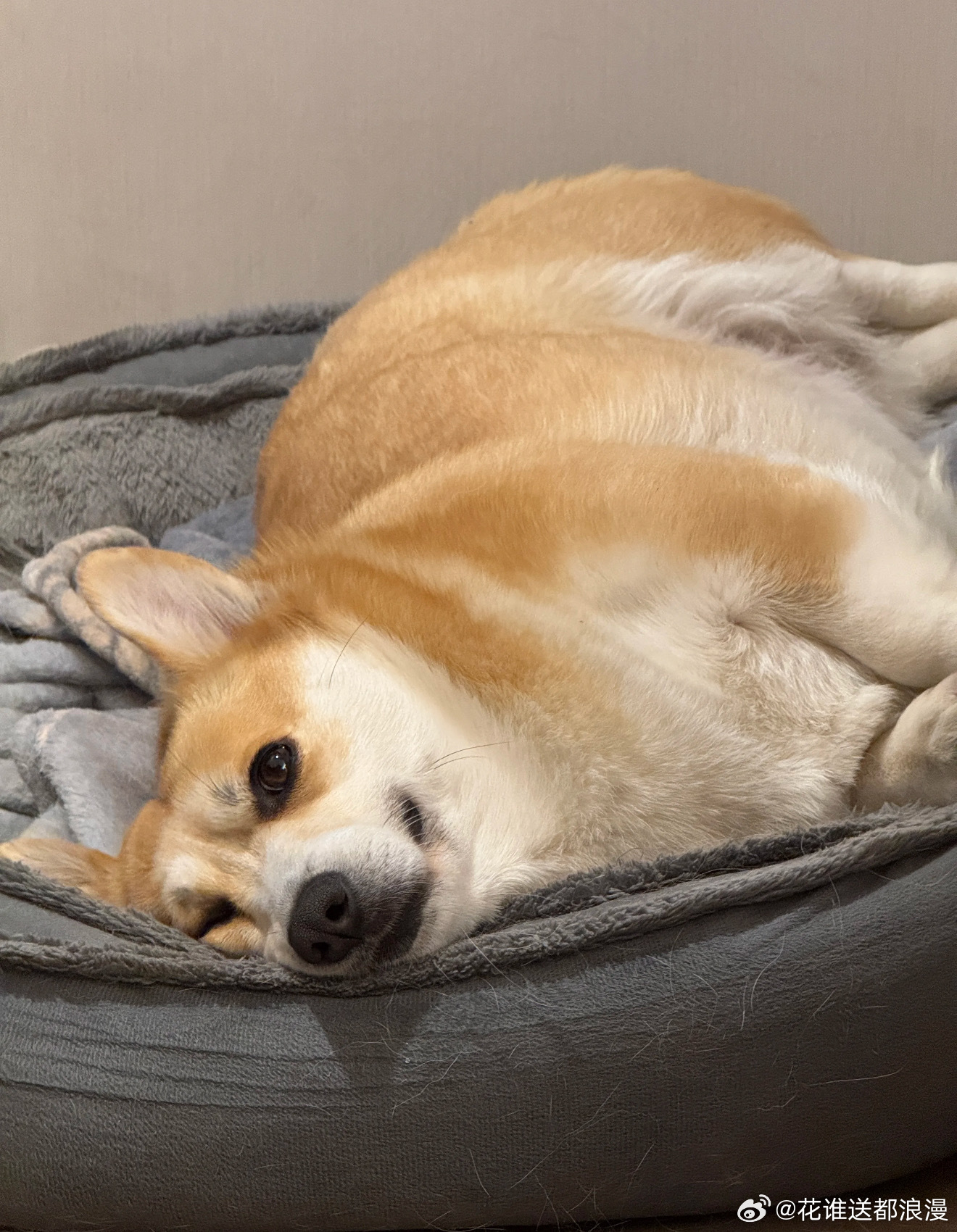
The railway department has also launched a new function on the 12306 website and app, allowing passengers to book pet transportation services. The service will be operated by a special team, and the pets will be stored in a specially designed carriage with air conditioning, oxygen supply, and noise reduction. It's worth noting that only one pet per train is allowed, and the pet must be a domesticated animal that is healthy and well-behaved. The pet owner must also provide a health certificate and other required documents.
To ensure a safe and comfortable journey for their pets, owners should follow certain guidelines. They should choose the right pet carrier, prepare their dog in advance, book a suitable seat, pack essentials, keep their dog calm, and follow high-speed train regulations. Additionally, owners should be mindful of temperature and humidity, provide regular breaks, keep their dog's identification and health records handy, and stay with their dog during the journey.
The introduction of pet transportation services on high-speed trains marks a significant step towards humanizing public services in China. By catering to the needs of pet owners, the railway department is demonstrating a commitment to creating a more inclusive and compassionate society. The new service not only ensures the health and safety of pets but also alleviates the anxiety and stress associated with separating from beloved companions. This "demand-driven" policy design reflects a deeper understanding of the evolving needs of the public and a willingness to adapt to changing social values.
The fact that small dogs are permitted to travel on high-speed trains while larger, heavier dogs are not, highlights the careful consideration and attention to detail that has gone into designing this service. By setting clear guidelines and restrictions, the railway department is balancing the needs of pet owners with the safety and comfort of all passengers. As China continues to modernize and refine its public services, the introduction of pet transportation on high-speed trains is a heartwarming example of how policy can be designed with empathy and understanding, ultimately enriching the lives of both humans and animals alike.
The introduction of the "high-speed rail pet transportation" policy has sparked a heated discussion among the public. On one hand, many pet owners have expressed their excitement and support for the new policy, as it allows them to travel with their pets on high-speed trains. This policy is seen as a significant improvement in the railway department's services, catering to the growing demand for pet-friendly transportation. On the other hand, some passengers have raised concerns about the potential impact of pets on the cleanliness and hygiene of the trains. They worry that the presence of pets may lead to allergic reactions, noise, and odors, which could affect the overall travel experience.
To address these concerns, the railway department has implemented a series of measures to ensure the smooth operation of the pet transportation service. These include the use of specialized pet transportation boxes, which are equipped with air circulation, oxygen supply, and noise reduction systems. The boxes are also designed to prevent pets from escaping and to minimize the impact of pet dander and odors on other passengers. Furthermore, the railway department has established strict guidelines for pet owners who wish to transport their pets on high-speed trains. These guidelines include requirements for pets to be healthy, well-behaved, and properly contained, as well as restrictions on the size and weight of pets allowed on board.
Despite these efforts, some passengers remain skeptical about the feasibility of the pet transportation service. They argue that the policy may not be comprehensive enough, and that additional measures are needed to ensure the safety and comfort of all passengers. In response to these concerns, the railway department has announced that it will continue to gather feedback and suggestions from passengers, with the goal of refining and improving the pet transportation service. The department has also emphasized its commitment to providing a convenient and comfortable travel experience for all passengers, while also catering to the needs of pet owners. Overall, the introduction of the "high-speed rail pet transportation" policy has sparked a lively debate among the public, with both supporters and detractors raising valid points. As the policy continues to evolve and improve, it is likely that we will see a growing number of pet owners taking advantage of this convenient and stress-free way to travel with their furry friends.