Spontaneous Mic Swap Between TNT’s Song Yaxuan and Liu Yaowen Sparks Viral Fan Frenzy
When the lights dimmed for the encore at a recent TNT (Teens in Time) concert, two of the group’s most popular members, Song Yaxuan and Liu Yaowen, turned an ordinary stage moment into a viral sensation. In a playful “callback” of the performance—a tradition in Chinese pop shows where artists revisit a song or gesture and interact directly with the audience—the duo swapped microphones mid‑song, pausing long enough to exchange shy smiles before continuing to sing together. The brief, unscripted gesture was captured from multiple angles and quickly spread across China’s dominant social platform, Weibo, where fans tagged the clip with the now‑familiar phrase “宋亚轩刘耀文callback交换话筒” (Song Yaxuan Liu Yaowen callback microphone swap).
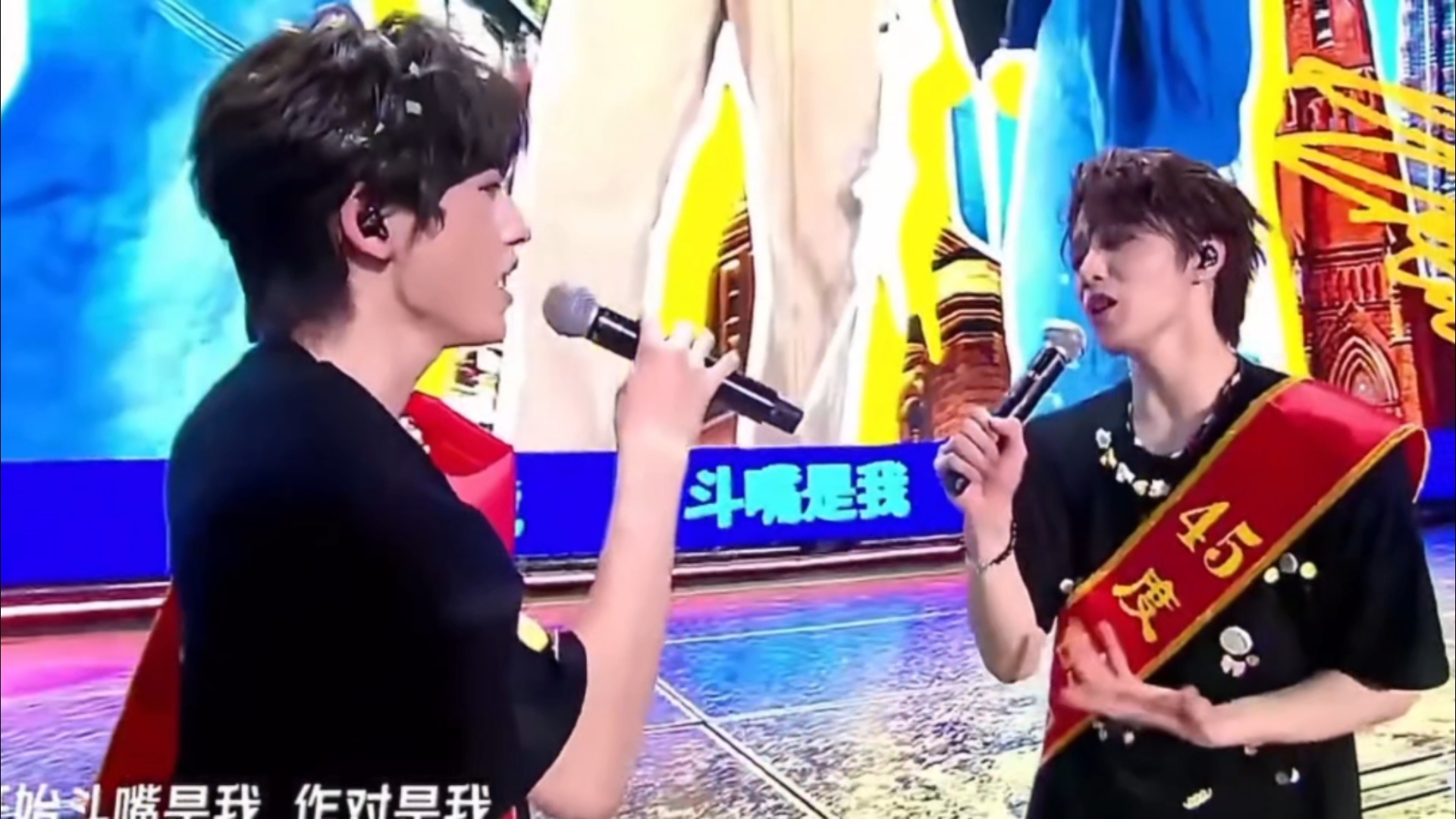
Within hours, dozens of videos resurfaced, each offering a slightly different perspective on the exchange. Comments ranged from delighted exclamations—“每个视角的交换话筒都来一遍吼哦哈” (“let’s replay every angle of the mic swap”)—to poetic fan statements like “交换话筒唱完还是害羞的不行,我家碗盆热恋半生归来仍是纯情少男少女” (“even after the mic swap they’re still shy; my beloved couple remain pure teenagers”). The sheer volume of re‑posts and the enthusiastic tone of the conversations made it clear that the moment resonated far beyond a fleeting stage gimmick.
The phenomenon underscores how a single, authentic interaction can ignite a cascade of fan‑driven content. In the tightly choreographed world of Chinese idol groups, where performances are often meticulously scripted, unscripted moments become gold for fan communities. They not only humanize the idols—showing a glimpse of genuine camaraderie or nervousness—but also serve as organic marketing material, amplifying an act’s reach without a single dollar spent on advertising. Brands attached to the group, from merchandise producers to ticket vendors, stand to benefit from the heightened visibility, even if the exchange itself generates no direct revenue.
Beyond the commercial angle, the episode offers a lens into the mechanics of modern Chinese fan culture. Fans of TNT, like countless other youth collectives, monitor every gesture, lyric, and backstage interaction, weaving them into larger narratives that celebrate friendships, rivalries, or imagined romances. The “mic swap” instantly became a talking point for the “ship”—a fan‑coined term that pairs two idols in a hypothetical relationship—fueling memes, fan art, and endless commentary. Such intense communal engagement illustrates how digital platforms compress and magnify fan discourse, turning a few seconds of stage play into a shared cultural moment that can be revisited, dissected, and celebrated repeatedly.
The ripple effect also touches on broader societal currents. China’s entertainment industry has long been touted as a vector of “soft power,” projecting contemporary culture to domestic and overseas audiences alike. When young idols like Song and Liu capture the imaginations of millions, they contribute to a youthful, vibrant image of Chinese pop that aligns with governmental goals of cultivating a positive, energetic national narrative. At the same time, the rapid spread of fan‑generated content catches the eye of regulators who monitor online activity for alignment with official values. While the microphone exchange is innocuous, it sits within a larger ecosystem where fan enthusiasm can occasionally clash with state expectations around “positive energy” and appropriate online behavior.
In short, the brief mic‑swap between Song Yaxuan and Liu Yaowen illustrates the power of a spontaneous, human moment in an age of meticulously produced pop spectacles. It triggered a wave of user‑generated videos, fan commentary, and hashtags that not only celebrated the duo’s chemistry but also highlighted the evolving dynamics of fan engagement, digital virality, and the cultural influence of China’s idol industry. As the clip continues to circulate, it serves as a reminder that even in a heavily managed entertainment landscape, authenticity still reigns supreme—and can turn a simple gesture into a cultural flashpoint.