Sun Wukong x Lin Daiyu: Why China's Most Viral Couple Exists Only in Fan Edits
China's newest favourite couple is a monkey and a melancholy heiress, cut together from two 1980s TV classics. The meme has drawn approval from the actor who played the Monkey King, and it says a lot about how young China remixes its classics.
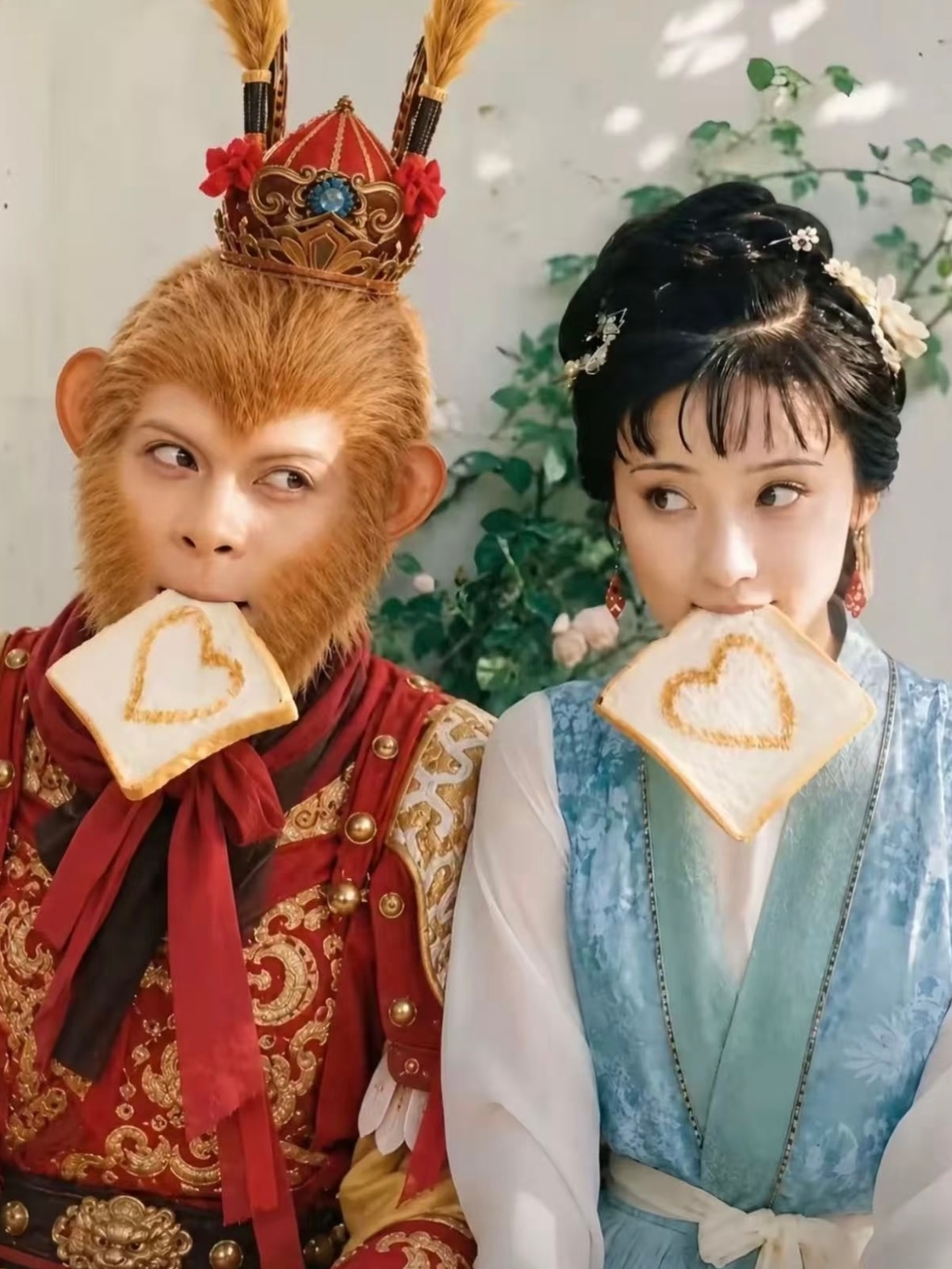
China's newest viral couple never shared a screen. One is Sun Wukong, the Monkey King, from the 1986 television adaptation of Journey to the West; the other is Lin Daiyu, the frail, sharp-tongued heroine of the 1987 Dream of the Red Chamber. Fans splice the two series into soft-focus montages with imagined dialogue and matching outfits, and ship them under the portmanteau "Sheng-Dai" (圣黛CP). A thread on the pairing has climbed Douban's group rankings, and the question of what to make of it reached Zhihu's hot list this week.
The pairing looks absurd on its face — an immortal trickster monk and the most celebrated tragic heroine in Chinese fiction. But the meme's logic is literary, which is what lifts it above a joke. Journey to the West opens with a stone: the leftover of the goddess Nüwa's sky-mending stones, from which the Monkey King is born. Dream of the Red Chamber was first published as The Story of the Stone, and Lin Daiyu is the reincarnation of a plant, the Crimson Pearl flower, watered day after day by the stone's divine counterpart. In the fan edits, that grass-and-stone cosmology becomes a love story. One widely shared edit is captioned "Daiyu must have mistaken the stone back then" (黛玉当年指定认错石头了) — a joke that only lands if you know both canons.
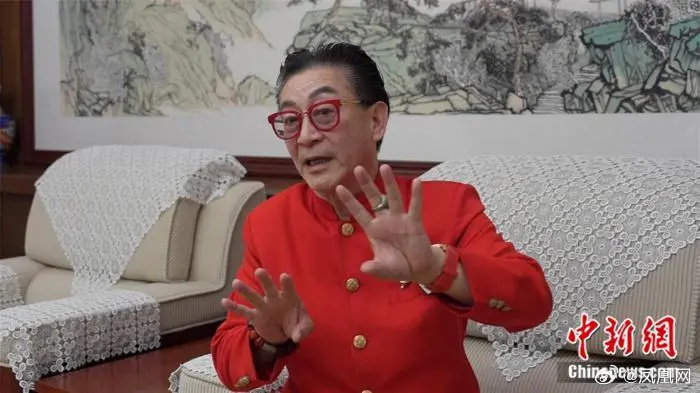
The actor who played the Monkey King has now blessed it. In an interview circulating on Weibo this week, Liu Xiao Ling Tong, who played the role in the 1986 series, laughed off the suggestion that young fans call Sun Wukong "the perfect boyfriend." "We are both leads of CCTV's adaptations of the four great classics," he said. "The earliest Dream of the Red Chamber was called The Story of the Stone, and the Monkey King was born from a stone — that's a kind of stone culture" (石头文化). He praised the edits for cutting "naturally, without anything forced or chaotic," and called them modern technology giving the four classics new life.
Fan editors have also mined the 1986 series for a Sun Wukong far gentler than the fight scenes: he shares biscuits with hungry children in the Fengxian County episode, and saves a suicidal princess by the riverbank. The line fans quote of him — "having seen the vastness of the world, he still cherishes the small green things" (已识乾坤大,犹怜草木青) — has become the meme's thesis: the monkey is shipped not despite being a monkey, but because he is written as kind.
The pairing has broken out of the fandom bubble. On Douban, where film and TV culture gets argued over, a thread titled "圣黛cp" marvels that "who could have imagined this combination"; on Zhihu, a question about how Liu Xiao Ling Tong responded — the pairing is "meaningful and fun," he said, but needs "proper guidance" — drew 790,000 units of heat within days. The enthusiasm is real: as one fan put it, "choose Sheng-Dai with your eyes closed — it just sounds sweet" (圣黛一听就很甜啊). The debate underneath it is the familiar one: where the line sits between remix and distortion of a classic. This week it is being conducted with affection rather than outrage, which is not always how it goes.