An Emergency-Room Report Before Sun Yingsha's Upset Loss Reopens China's Athlete-Workload Debate
An unverified screenshot suggesting women's table-tennis world No. 1 Sun Yingsha visited an emergency room the night before her shock loss to Thailand's 101st-ranked Orawan Paranang dominated Chinese social media on Thursday, converting one improbable defeat into a fresh argument over how China's sports system manages its stars' health.
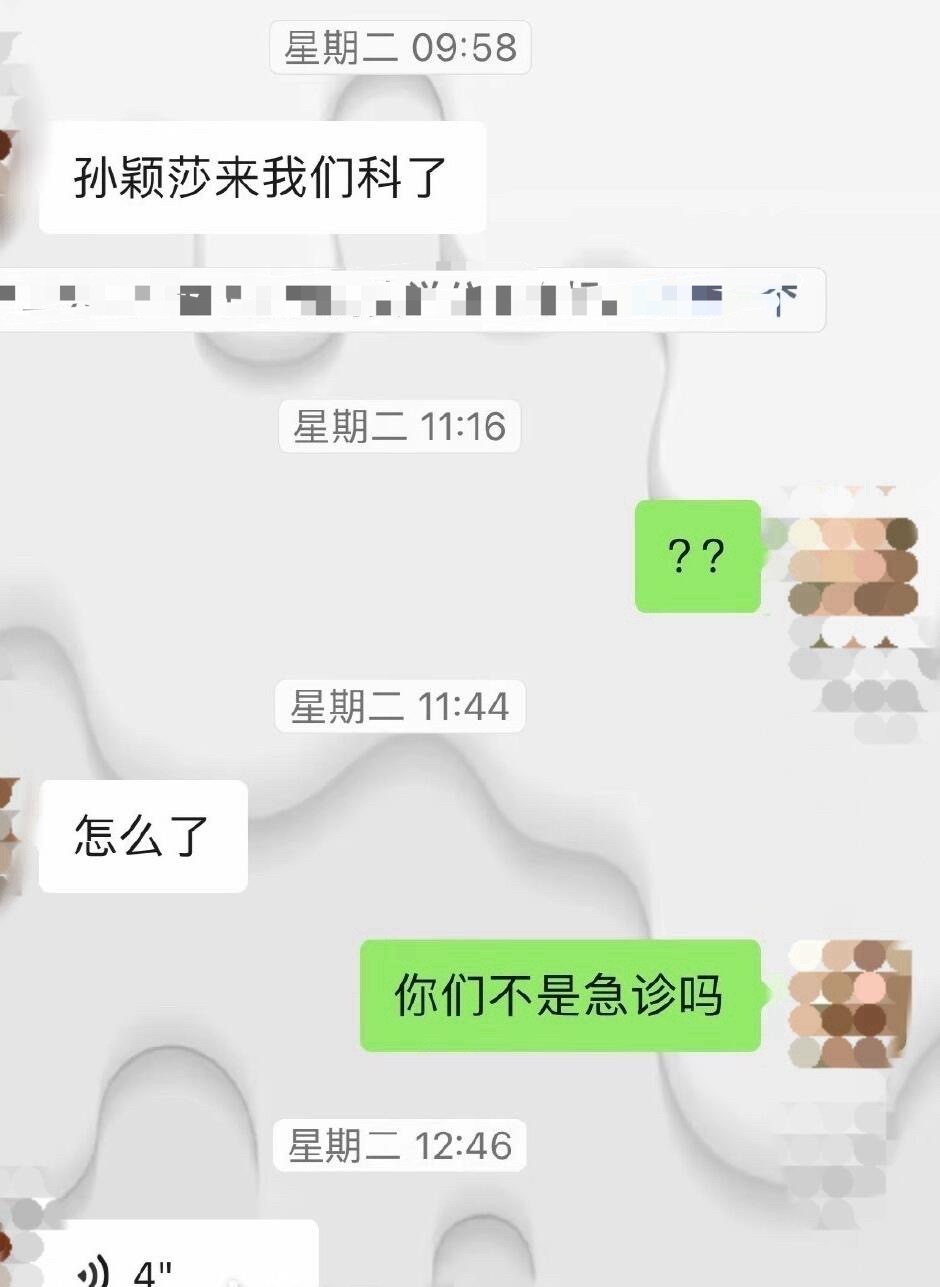
Less than a day after Sun Yingsha's defeat, the argument had moved from the scoreline to a hospital. On Thursday morning, a screenshot of what appears to be a hospital department's group chat spread across Weibo: one message reads "Sun Yingsha came to our department", and a reply asks, "Aren't you the emergency department?" A fan post accompanying it claimed the 25-year-old world No. 1 had been taken to hospital on October 6 — the day before she played — accompanied by her manager. Nothing official has confirmed the visit, and the screenshot's provenance is unclear. It did not matter to the trending algorithm: by mid-afternoon the hashtag "Sun Yingsha reportedly went to the ER before the match" sat at No. 20 on Weibo's trending list.
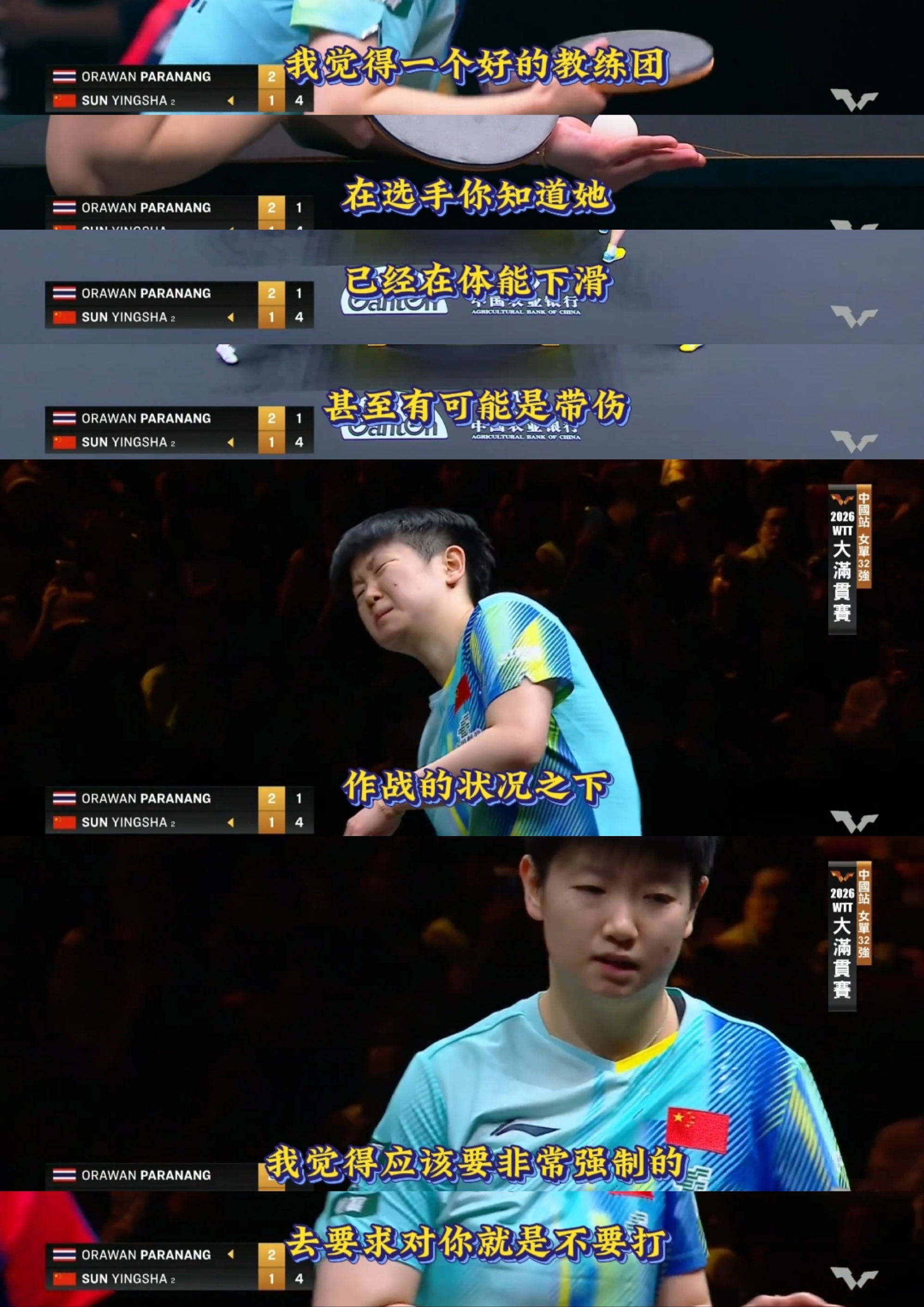
The match itself is not in dispute. On October 7, Sun lost 1–3 to Thailand's Orawan Paranang, ranked 101st in the world, in the second round of the WTT China Smash in Beijing, dropping the last two games 10–12 — a result so improbable that, as we wrote on Wednesday, it instantly turned into a debate about how much Chinese table tennis asks of its stars. The hospital report has turned that debate into an accusation.
The case against the system, as fans assembled it, runs like this: an athlete running a fever should not be competing at all — exertion during a fever risks cardiac injury, which is why professional teams worldwide pull players at the first reading of a thermometer. A post laying out the argument drew more than 600 reposts, and it went further back: Sun, the post claimed, had asked the coaching staff to let her skip mixed doubles at last month's Asian Games to protect her health, was refused, and then carried three events through the tournament. On air, Taiwanese commentators said she was "obviously gritting it out". Another post put the point cooler: other players may withdraw when unwell; Sun does not appear to have that option, and a loss at a commercial event obliges her to front a press conference. "Athlete protection should be a system for the whole team," it concluded, "not a double standard."

The opponent's testimony is the detail that stings. Paranang, in her courtside interview, said: "I saw her in the game — she looked not so well... I'm sorry to hear that she got a fever, I hope she's getting better." The world No. 101 had just beaten the world No. 1, and spent part of the interview wishing her well.
The team has said nothing about the hospital claim, and may never confirm it. But the facts fans keep reaching for are ones Sun has said herself: in late September, after the Asian Games, she told reporters she was not sure her body would hold up to the next Olympic cycle. What her supporters are demanding now is not an explanation of one loss but a rule — that the team's own doctors, not the schedule, decide when its stars stop playing.