It Takes Winning to Reveal True Colors: Unpacking the Nature of Human Relationships
Originally, the phrase "原来中奖后才能看清一个人" (It Takes Winning the Lottery to See a Person's True Nature) was meant to be a humorous commentary on how people's behavior can change when they experience a sudden windfall. However, as it has taken the internet by storm, it has also sparked a deeper reflection on human nature. The various examples that have surfaced online, from a sister's unexpected outburst over a charger to a school's thoughtless decision to release grades on New Year's Eve, reveal a more complex issue at play.
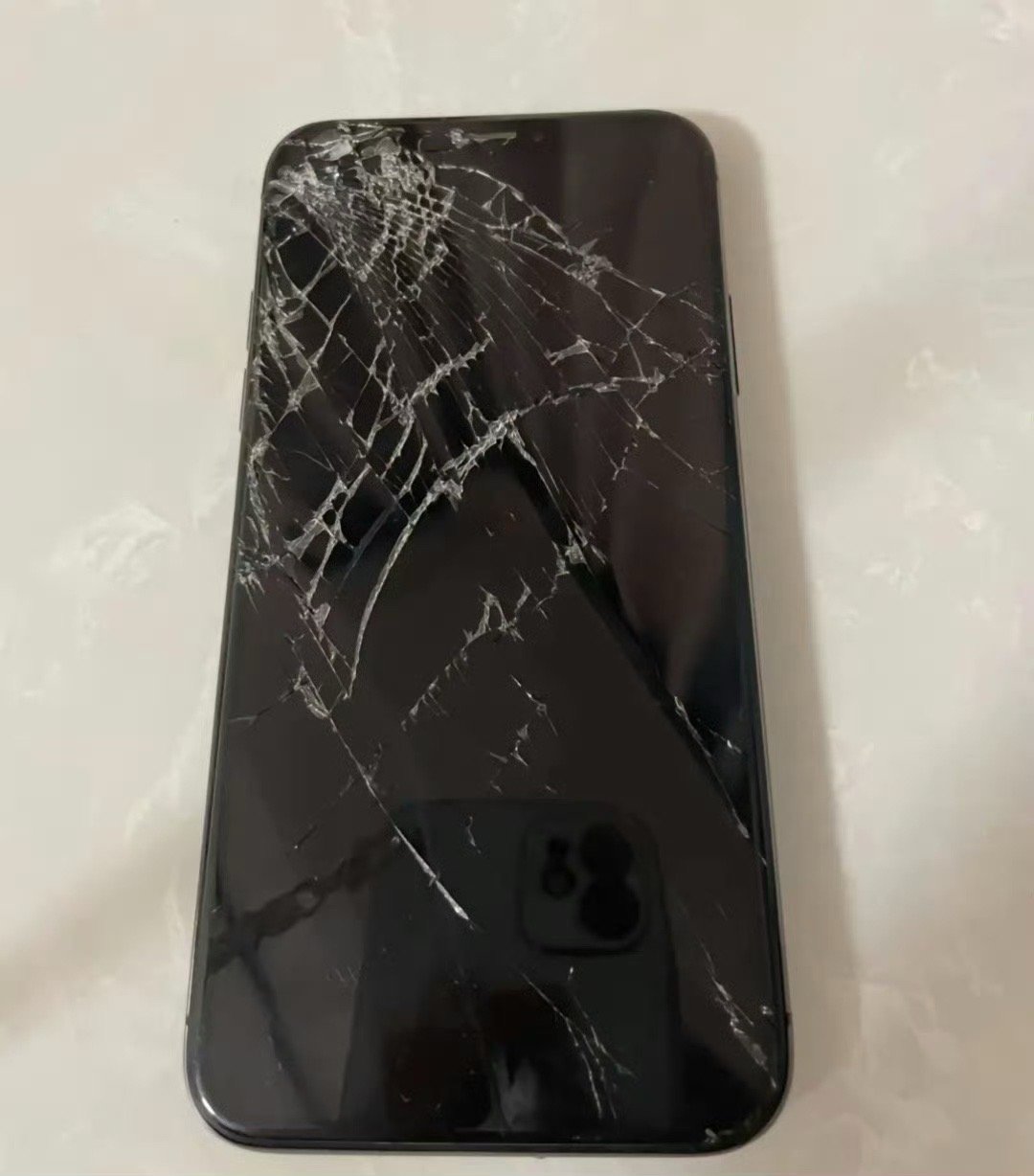
These anecdotes highlight how people's true colors can be revealed in the most unexpected ways, often when they are faced with unexpected benefits or challenges. The fact that a friend would gift safety equipment as a housewarming present, for instance, raises questions about the motivations behind such a gesture. Is it a genuine attempt to show concern, or a backhanded way of expressing skepticism about the recipient's abilities?
As we delve deeper into the "原来中奖后才能看清一个人" phenomenon, we are forced to confront our own biases and assumptions about human behavior. Do people truly change when they experience a stroke of good fortune, or do their underlying personalities simply become more apparent? And what does this say about our societal values, when we prioritize material success over empathy and kindness? The internet may have started the conversation with humor and satire, but it has ultimately led us to a more profound exploration of what it means to be human.
The phrase "原来中奖后才能看清一个人" translates to "it's only after winning that you can see a person's true nature." This saying has been making waves on social media, with many netizens sharing their own experiences of how people's behavior changes when they gain something. In the context of human relationships, this phrase highlights the notion that people's true intentions and character are often revealed when they have a vested interest in something. A closer examination of the posts sharing this phrase reveals a common thread - the role of material gifts and favors in shaping human relationships. For instance, one user received safety equipment as a housewarming gift from a friend, sparking a discussion about the true motives behind such gifts. Another user shared a story about a sister who suddenly became enraged over a charger, illustrating how even small material possessions can create tensions in relationships.
Moreover, the posts also touch on the theme of people's behavior changing when they gain power or status. The reference to "女神之争" (goddess competition) and "战争游戏" (war game) suggests that when individuals are vying for dominance or prestige, their true nature is revealed. This phenomenon is not limited to romantic relationships but can be observed in various aspects of life, including friendships and family dynamics. The phrase "原来中奖后才能看清一个人" serves as a reminder that human relationships are complex and multifaceted. While material possessions and interests can bring people together, they can also create conflicts and reveal underlying motivations. As one user aptly put it, "请全家人喝东西换来了一顿埋怨" (treating the whole family to a drink only led to complaints), highlighting the challenges of navigating relationships where interests and expectations diverge.
Ultimately, the phrase encourages us to look beyond surface-level interactions and examine the underlying dynamics that shape human relationships. By recognizing that people's behavior is often influenced by their interests and motivations, we can foster more authentic and meaningful connections with others. The hashtag #原来中奖后才能看清一个人# has been making waves on social media, sparking a profound discussion about human relationships, societal expectations, and the true colors people show when faced with good fortune or misfortune. This phenomenon reflects a deeper psychological and sociological insight into how people react to success and failure, particularly in the context of interpersonal relationships.
Observations from various online posts, such as receiving a safety gift for a new house, a sister's outburst over a charger, a school releasing grades on New Year's Eve, and complaints after treating family to a meal, all tagged with #原来中奖后才能看清一个人#, illustrate a pattern where individuals' actions and reactions are heavily influenced by personal gains or losses. This trend suggests that the true nature of people and their relationships is often veiled until there is something to be gained or lost. Critics argue that this phenomenon is a commentary on the superficiality of some relationships and the opportunistic behavior of certain individuals. It highlights how people may pretend to be friendly or supportive until they are faced with a situation where their own interests are at stake.
On the other hand, supporters of the hashtag see it as a call for authenticity and honesty in relationships, encouraging people to look beyond superficial interactions and to value genuine connections. From a sociological perspective, this hashtag represents a mirror held up to society, reflecting our values, priorities, and the dynamics of our relationships. It prompts a reflection on what we truly value in our interactions with others: is it the person themselves, or what they can do for us? This introspection can lead to a healthier understanding of social bonds and personal motivations, potentially fostering more sincere and meaningful relationships. In conclusion, #原来中奖后才能看清一个人# serves as more than just a social media trend; it is a catalyst for a broader societal discussion about the authenticity of human connections and the factors that influence our behaviors and attitudes towards others.
The recent surge of the hashtag "#原来中奖后才能看清一个人#" (It turns out that only after winning a prize can you see a person's true colors) on social media platforms has brought to the forefront a deeper societal issue - the superficiality of relationships and the true nature of people's intentions. This phenomenon, where individuals are showered with attention and kindness only after achieving some form of success or winning, highlights a troubling aspect of human interaction. At the heart of this issue is the way people perceive and treat others based on their perceived value or status. The examples provided, such as a person being gifted safety items for their new home or being taken out for a meal only to face complaints, illustrate how actions are often motivated by self-interest rather than genuine concern for the other person.
This behavior is starkly revealed when someone experiences a sudden change in fortune, such as winning a prize, and observes how others' attitudes towards them shift. Moreover, the juxtaposition of this hashtag with other trending topics, like "#白鹿白烁1月角色热度冠军#" (Bai Lu and Bai Yu winning the January role popularity championship), suggests that the public's fascination with celebrity culture and success stories can sometimes overshadow more profound social issues. The fact that a celebrity's popularity can garner significant attention while the dynamics of everyday human relationships are often overlooked speaks to a broader societal problem. This dichotomy also underscores the importance of critical reflection on our values and how we treat others.
In an era where social media can both unite and isolate us, understanding the superficial nature of some relationships and recognizing the genuine support from others is crucial. The trending hashtag serves as a reminder to foster deeper, more meaningful connections and to appreciate the people who stand by us regardless of our successes or failures. Ultimately, the popularity of "#原来中奖后才能看清一个人#" reflects a desire for authenticity in relationships and a commentary on the fleeting nature of human interest. As society continues to evolve and navigate the complexities of personal and public relationships, acknowledging and addressing these underlying issues will be key to building stronger, more resilient communities.