Trump Urges Ukraine's Zelensky to Avoid Confrontation with Russia
In a stunning revelation, former US President Donald Trump has expressed his opinion that Ukrainian President Volodymyr Zelensky should not confront Russia, citing the significant military disparity between the two nations. This statement has sparked intense debate and discussion among global leaders and citizens alike. As the world grapples with the complexities of the Russia-Ukraine conflict, Trump's comments have added a new layer of complexity to the already delicate situation.
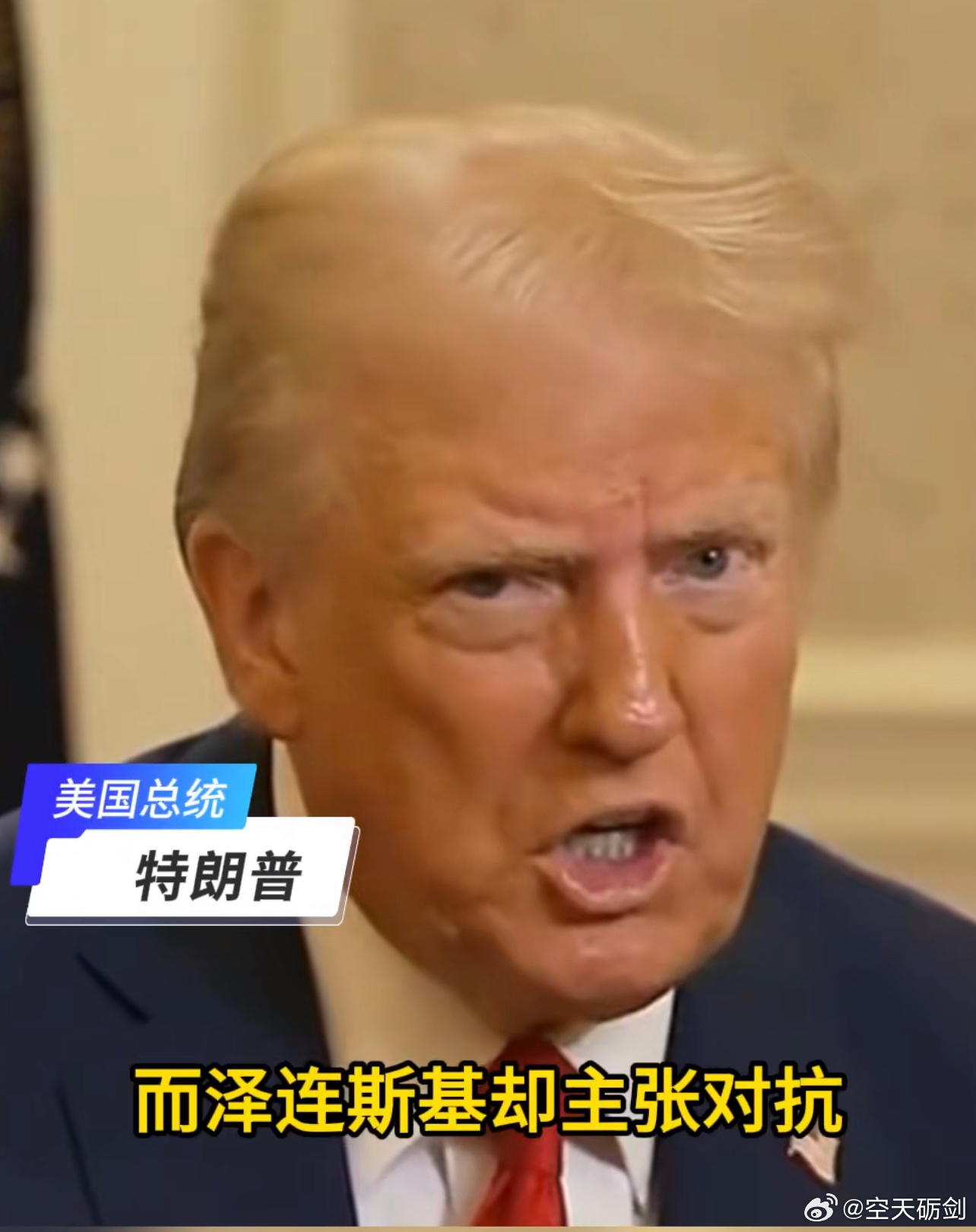
In a recent statement, former US President Donald Trump remarked that Ukrainian President Volodymyr Zelensky should not confront Russia. Trump emphasized the significant disparity in military capabilities between Ukraine and Russia, highlighting Russia's substantial tank arsenal. This comment has sparked interest and debate, particularly given the current geopolitical climate. Trump's assertion that Zelensky should avoid conflict with Russia reflects his approach to international relations, which often prioritizes negotiation and deal-making over confrontation. However, this stance has been met with criticism from some quarters, who argue that it may be perceived as weak or acquiescent in the face of Russian aggression.
The context of Trump's statement is also noteworthy, coming as it does amidst his own re-election campaign and ongoing tensions between Russia and Ukraine. The situation in Ukraine remains a critical point of discussion in international diplomacy, with various nations and organizations offering support and attempting to broker a peaceful resolution. It is essential to consider the broader implications of Trump's comments, including how they might be received by Zelensky, the Ukrainian people, and the international community. The dynamics at play involve complex geopolitical considerations, historical tensions, and the ongoing quest for stability in the region.
In light of these factors, Trump's advice to Zelensky to refrain from confronting Russia adds another layer to the intricate and evolving narrative of international relations, highlighting the challenges of navigating global conflicts and the pursuit of peace and security. The conflict between Russia and Ukraine has far-reaching implications, with various stakeholders weighing in on the situation. According to some observers, Ukraine has the capacity to withstand a prolonged conflict, with a population of 20 million people and the potential to engage in a 50-year war with Russia. Others emphasize the importance of European and American support for Ukraine, suggesting that the country should cement its relationships with these powers to counter Russian aggression.
However, not all voices are supportive of continued conflict. Some argue that ending the Russia-Ukraine conflict as soon as possible is a pressing concern, not just for former US President Donald Trump, but also for people around the world who value peace. The impact of the conflict is being closely watched, with some analysts predicting that Ukraine may be abandoned by its allies. In the context of global geopolitics, the Russia-Ukraine conflict is also seen as part of a larger struggle between establishment and non-establishment forces in the Western world. The rise of right-wing and far-right movements in countries like Italy and the US has significant implications for international relations, with some observers noting that the conflict in Ukraine may be influenced by these broader trends.
Ultimately, the outcome of the Russia-Ukraine conflict will depend on a complex interplay of factors, including the actions of key players like the US, Europe, and Russia, as well as the resilience and determination of the Ukrainian people. As the situation continues to unfold, one thing is clear: the stakes are high, and the consequences of the conflict will be felt far beyond the borders of Ukraine. The context provided includes various reactions to Trump's suggestion that Zelensky should not confront Russia, with some viewing it as a potential abandonment of Ukraine and others seeing it as a strategic move in the geopolitical landscape.
The statements from various sources indicate that Trump's comments could have significant implications for Ukraine's position in the conflict with Russia, as well as for the broader geopolitical dynamics involving the United States, Europe, and other global players. If Trump's suggestion is taken seriously, it could lead to a significant shift in the balance of power in Eastern Europe, potentially isolating Ukraine and leaving it more vulnerable to Russian influence or aggression. The reactions range from concern about Ukraine's future to strategic analyses of how this might play into a larger geopolitical game, including the potential for the United States to reduce its involvement in the conflict and the implications this could have for global stability.
The situation could lead to a realignment of alliances and interests, potentially creating new challenges and opportunities for nations like China, which might see a window for development and growth amidst the geopolitical upheaval. For the section titled "特朗普言论的后果" (Consequences of Trump's Statement), the article could explore how Trump's suggestion that Zelensky should not confront Russia might lead to a reevaluation of alliances and strategies among European and global powers, potentially resulting in a significant shift in the geopolitical landscape.
The consequences of Trump's statement that Zelensky should not confront Russia are multifaceted and far-reaching. They could lead to a significant shift in the geopolitical balance in Eastern Europe, potentially isolating Ukraine and affecting its ability to resist Russian influence. This, in turn, could have broader implications for global politics, including the potential for realignments of alliances and interests among major powers. The reactions to Trump's statement, ranging from concern over Ukraine's future to strategic analyses of geopolitical maneuvers, reflect the complexity and uncertainty of the situation. As the global community navigates these challenges, the potential for new conflicts or cooperation emerges, making the consequences of Trump's statement a critical aspect of international relations in the coming years.