Turkish Wedding Tragedy: Groom Killed by Aunt’s Celebratory Gunfire Sparks Outcry Over Firearm Traditions
A festive evening in the Black‑Sea town of Giresun turned into a nightmare on Aug. 26 when a 23‑year‑old groom was killed by a stray bullet fired by his own aunt. The wedding ceremony had concluded and the newlyweds were being driven home when the bride’s uncle’s sister — the groom’s aunt — raised a pistol into the night sky, a customary gesture of celebration in parts of Turkey. The celebratory shot fell short, striking the groom in the chest. Despite frantic efforts by paramedics, he died on the way to the hospital.
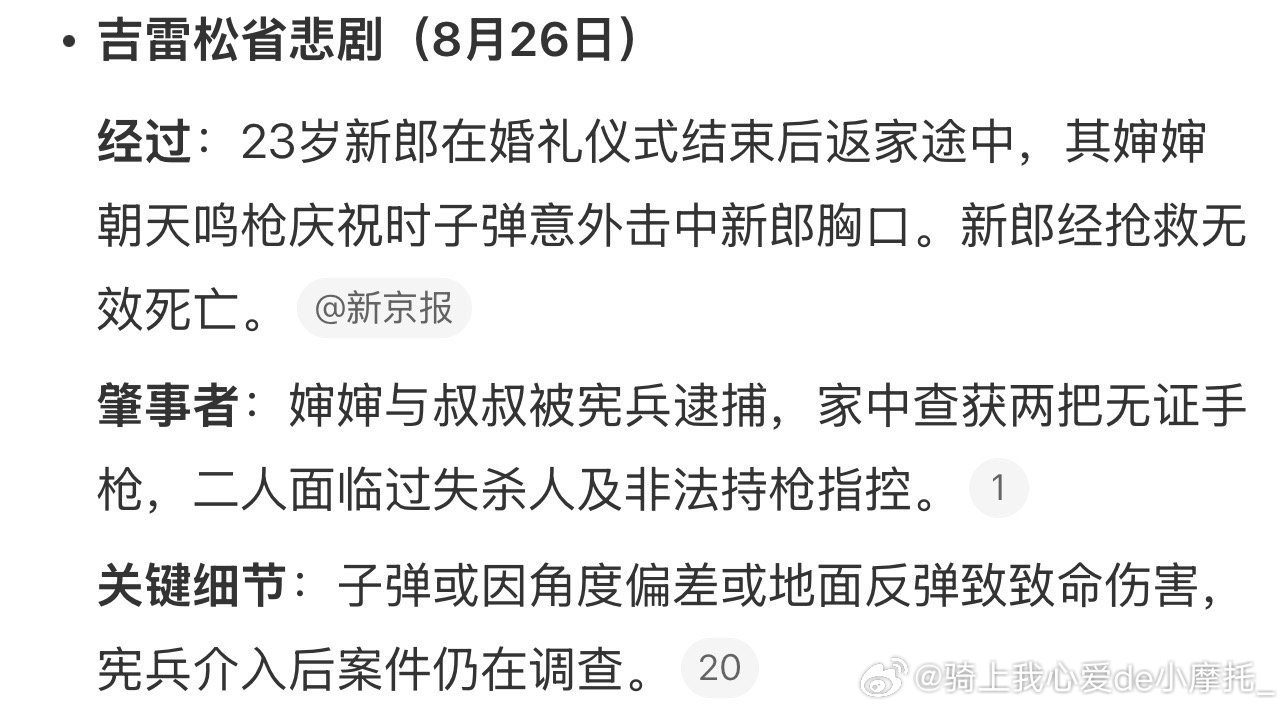
Turkish gendarmerie quickly detained the aunt and her husband, the groom’s uncle, and uncovered two unlicensed handguns hidden in their home. The case is now under investigation, but authorities have not yet released further details about charges or a possible prosecution.
The tragedy has ignited a torrent of outrage on social media, both within Turkey and abroad. Chinese netizens, who have followed the story closely, described the incident with words that translate to “outrageous,” “surreal,” and “heart‑breaking.” Many lamented the irony of a “joyful occasion turning into a tragedy,” emphasizing that safety should be the bottom line. Others expressed relief that China’s strict gun laws prevent similar accidents, underscoring the stark contrast between the two nations’ approaches to firearms.
A recurring theme in the online commentary is condemnation of celebratory gunfire itself. Users warned that the practice, which involves firing weapons into the air for festive effect, is inherently dangerous and “senseless.” Some questioned whether the shooting was truly accidental, asking if the incident might have been a pretext for a planned killing. Though no evidence of foul play has emerged, the speculation reflects deep mistrust of a tradition that places firearms in the hands of civilians at public events.
The incident is not an isolated case. Commentators pointed to similar mishaps, such as a recent accidental shooting in Jordan where a gang leader was killed by a subordinate’s celebratory gunfire. These references reinforce the perception that the danger of firing guns into the air is a recurring, if under‑reported, problem in regions where the custom persists.
Beyond the immediate grief of the bride’s family, the tragedy spotlights the clash between cultural customs and modern safety standards. In Turkey’s eastern Black Sea region, firing pistols or rifles at weddings and other celebrations has long been a sign of exuberance and masculinity. Yet the Turkish government has, at times, issued bans on discharging firearms in public spaces. Enforcement, however, remains uneven, especially in rural areas where the practice is deeply woven into local identity.
Public reaction suggests a growing appetite for reform. Social media users called for stricter gun control, better enforcement of existing bans, and a cultural shift away from high‑risk celebrations. Some lauded China’s prohibitive stance on private gun ownership, using the comparison to argue for tighter regulations in Turkey.
The Giresun incident may serve as a catalyst for broader debate about the place of firearms in Turkish social life. Experts note that while the government can tighten licensing requirements and impose harsher penalties for illegal possession, lasting change will also require education campaigns that address the underlying belief that “celebration” justifies the use of deadly weapons. Until such measures take hold, the risk of another “joy turned into tragedy” will linger.
For the grieving family, the loss is irrevocable. The bride, who now enters marriage as a widow, and her relatives are left to grapple not only with personal sorrow but also with the public scrutiny of a tradition that turned fatal. As the investigation proceeds, the case will likely remain in the spotlight, prompting policymakers, community leaders, and ordinary citizens to reflect on whether some customs are worth preserving when they end in blood.