U.S. Naval Surge Near Venezuela Ignites Broad Latin American and Caribbean Condemnation
The Caribbean is once again at the centre of a diplomatic firestorm as the United States deepens its military presence in waters that neighbour Venezuela, prompting a chorus of condemnations from a swath of Latin American and Caribbean governments. On September 1, 2025 Venezuelan President Nicolás Maduro warned that the United States was “extending its pressure to the extreme,” alleging that a flotilla of eight warships—capable of firing a total of 1,200 missiles—and a nuclear‑powered submarine were now “pointed” at his country. The following day, U.S. defence media confirmed that the American Navy had positioned several Aegis‑equipped guided‑missile destroyers in the Caribbean, and was in the process of adding a guided‑missile cruiser and an attack submarine to the task force. Among the vessels already on station are the USS Gravely and the USS Jason Dunham, both Arleigh Burke‑class destroyers that carry the sophisticated Aegis combat system.
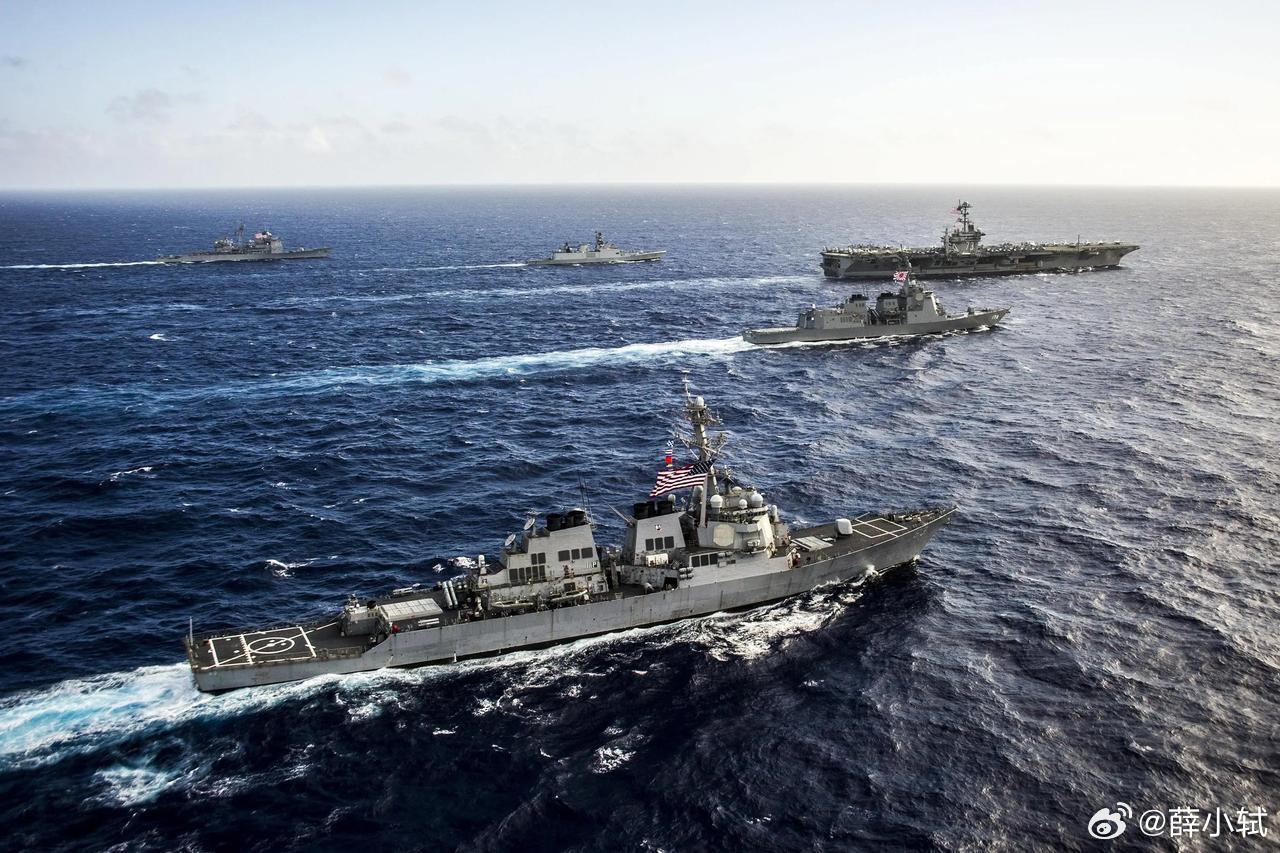
Maduro, joined by his foreign minister Iván Gil, seized on the deployment to accuse Washington of fabricating a pretext of “anti‑drug operations” to justify an outright threat to Venezuela’s sovereignty. The pair appealed to the Latin American and Caribbean States Community (CELAC) during a special foreign‑ministerial meeting on September 1, demanding the immediate withdrawal of U.S. warships and warning that the presence of a nuclear submarine violated the Treaty of Tlatelolco, which bans nuclear weapons in the region.
The current escalation traces its roots to an August 20 announcement by former President Donald Trump, who authorised a two‑amphibious‑ship task force—one assault ship and two dock‑landing vessels—to operate off the Venezuelan coast under the banner of “combatting drug trafficking.” The force, officials say, carries roughly 4,200 troops and a suite of heavy equipment. While Washington frames the operation as a necessary contribution to regional security, critics argue it constitutes a dramatic escalation beyond typical anti‑narco‑efforts, one that merely masks a broader agenda of regime pressure and resource control.
The backlash has been swift and wide‑ranging. Venezuela’s call for withdrawal reverberated across the continent, with Nicaragua, Cuba and Colombia issuing statements that denounced what they termed “imperialist aggression.” Beijing, too, entered the fray, condemning U.S. “hegemonic” tactics and the use of “long‑arm jurisdiction” to sanction Cuba and Venezuela. Chinese officials reiterated support for “independent development paths” suited to each nation’s circumstances, while Russia offered diplomatic backing to Caracas and hinted at deeper security cooperation in response to what Moscow calls “U.S. overreach.”
Social media mirrors the diplomatic chorus. On China’s Weibo platform, users have labeled the U.S. maneuver an “out‑and‑out bandit act” and a “brazen provocation” aimed at seizing Venezuela’s oil wealth under the guise of drug control. Posts highlight the deployment of a nuclear submarine as a flagrant breach of international law, and many point to the Treaty of Tlatelolco as evidence that the United States is disregarding established norms. Support for Venezuela’s own defence measures—reports of a 4.5‑million‑strong militia and advanced air‑defence systems—has been fervent, with commentators suggesting that a temporary U.S. pull‑back might be the result of effective Venezuelan resistance, intelligence links to Moscow and Beijing, and deteriorating global public opinion.
Beyond the political theater, analysts warn of tangible repercussions for the region’s stability and economy. The heightened militarisation threatens to divert scarce resources from social programmes and infrastructure, while casting a shadow over tourism, trade and foreign investment—sectors already fragile from the lingering effects of the pandemic and lingering political crises. A prolonged standoff could also embolden non‑state actors, from armed gangs in Haiti to transnational criminal networks, to exploit the security vacuum.
The episode also revives memories of past U.S. interventions in the Caribbean, most notably the 1983 invasion of Grenada, which was widely condemned at the United Nations as an unlawful breach of sovereignty. The current confrontation underscores a recurring pattern: U.S. unilateral action framed as security enforcement, meeting with regional resistance and calls for multilateral resolution. In a world where the unipolar order is increasingly challenged by a burgeoning multipolar consensus, the Caribbean dispute may serve as a barometer of how far Washington can push its strategic objectives before the collective voice of the Global South forces a recalibration.
For ordinary citizens in the affected nations, the stakes are immediate. Families worry about the prospect of naval confrontations spilling over into coastal communities, while businesses brace for potential disruptions to shipping lanes. The call from Latin American leaders for the United States to withdraw “all forces, including nuclear assets, and to respect international law” reflects a broader yearning for a security framework that prioritises diplomatic engagement over displays of hard power.
As the U.S. Navy continues to rotate vessels through the Caribbean, the diplomatic pressure intensifies. Whether Washington will recalibrate its approach, scale back the presence of its warships, or double down on a show of force remains to be seen. What is clear, however, is that the episode has galvanised a regional coalition that views the deployment not as a benevolent anti‑drug campaign but as a direct challenge to their sovereignty—a challenge that is now being met with unified condemnation, strategic alliances, and a determined push for a more equitable international order.