The Unified Posture of Sons-in-Law: A Lunar New Year Phenomenon in China
As the Lunar New Year celebrations unfold, a peculiar phenomenon has caught the attention of many in China. On the second day of the new year, a traditional day for newlywed women to return to their parental homes, their husbands often find themselves in an awkward position. These men, often from different parts of the country, can be seen lingering around the village entrance, unable to communicate effectively with the locals due to dialect barriers, and resorting to awkward smiles when interacting with the villagers. This spectacle has become so common that it has been humorously dubbed the "unified posture" of sons-in-law visiting their wives' families during the Lunar New Year. The question on everyone's mind is: "Is this the fate of sons-in-law all over the country?" As we delve into this cultural quirk, we explore the reasons behind this widespread phenomenon and what it reveals about the dynamics between sons-in-law and their wives' families in contemporary Chinese society.
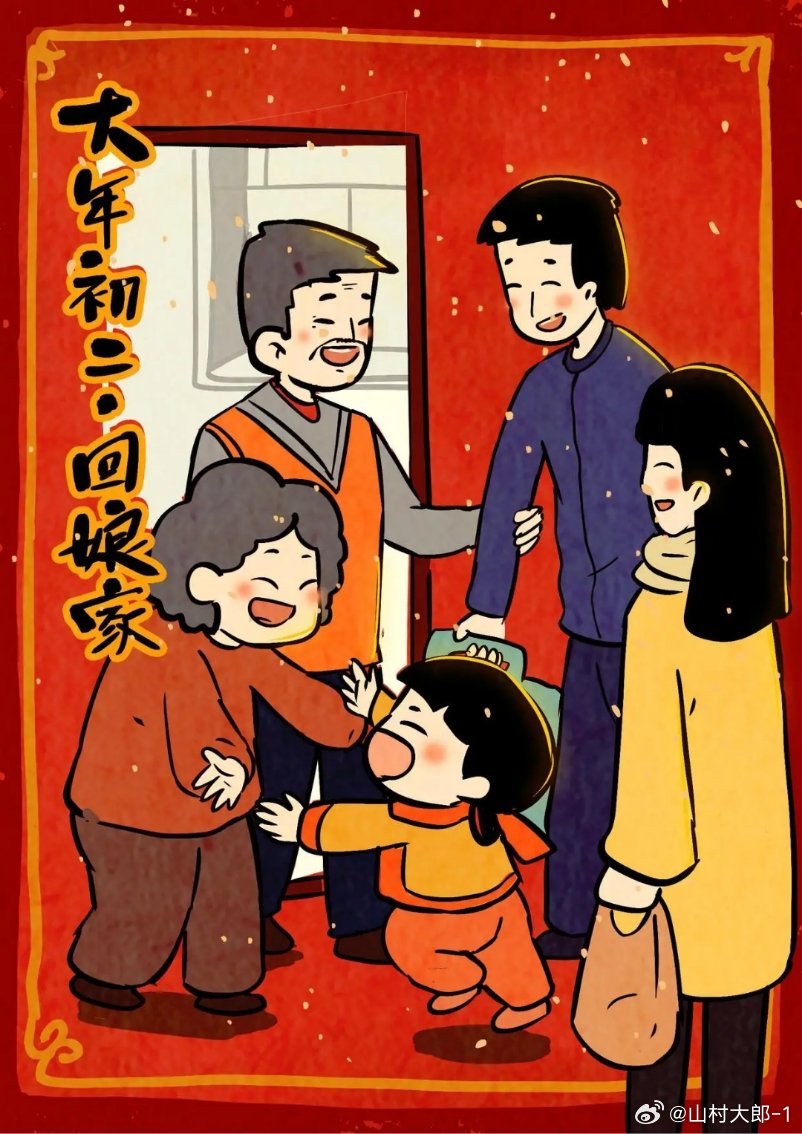
The viral topic "Is this how sons-in-law all over the country behave when visiting their mothers-in-law?" has sparked a heated discussion on social media, with many users sharing their own experiences and observations. It appears that a common phenomenon has been observed, particularly during the traditional Chinese New Year celebrations, where sons-in-law from other regions visit their wives' families and often find themselves feeling out of place. According to some posts, these sons-in-law can be seen lingering around the village entrance, trying to kill time while waiting for the customary New Year's dinner to finish, so they can return home as soon as possible. This behavior has seemingly become a ubiquitous practice among sons-in-law on the second day of the Chinese New Year, leading to amusing encounters with locals who may mistake them for strangers or even suspicious individuals.
Some users have joked that if one encounters an unfamiliar person with a non-local accent at the village entrance, who seems lost and only responds with a sheepish grin, it's likely just a son-in-law trying to navigate the complexities of visiting his in-laws. Others have pointed out that this feeling of awkwardness may be a result of not being familiar enough with the wife's family or not making enough of an effort to build relationships with them throughout the year. However, not everyone can relate to this experience, with some users expressing surprise that their own family dynamics are different from the ones described online. Meanwhile, others have humorously noted that sons-in-law who are not used to doing household chores may find themselves feeling like outsiders when visiting their in-laws, whereas those who are more helpful and integrated into the family may not experience the same level of discomfort.
As the second day of the Lunar New Year dawns, many families across China come together to celebrate the traditional "returning to the wife's family home," where married daughters return to their parents' homes with their husbands. However, for many husbands, this occasion is not just a joyful reunion, but also a day filled with awkwardness and unease. According to various social media posts and observations, it appears that many husbands, particularly those from outside the local area, often find themselves feeling like outsiders in their wives' family homes. They can be seen lingering around the village entrance, looking lost and uncertain, and struggling to communicate with their in-laws due to language barriers. These husbands seem to be waiting for the day to pass, eagerly anticipating the moment when they can return home.
Some netizens have even joked that this behavior has become a "unified divine operation" among husbands on the second day of the Lunar New Year, with many sharing humorous anecdotes and photos of themselves or others in similar situations. For example, one social media user shared a video of himself looking sheepish and out of place in his wife's village, captioning it "for instance, me." While it's understandable that new husbands may feel nervous or intimidated in their in-laws' homes, especially if they're not familiar with the local customs or dialect, some commentators have suggested that this phenomenon may also be a reflection of the lack of effort some husbands put into building relationships with their wives' families. As one commenter noted, "if an old husband still feels awkward and doesn't know what to do, then he should reflect on himself."
In conclusion, the phenomenon of sons-in-law feeling awkward when visiting their wives' families on the second day of the Chinese New Year appears to be a widespread and relatable experience across the country. The uniform behavior of sons-in-law gathering at the door, feeling uneasy, and passing time by wandering around or kicking stones has become a humorous and endearing observation. While it's understandable for new sons-in-law to feel nervous, the feelings of embarrassment and discomfort among more experienced sons-in-law may suggest a need for greater effort in building relationships with their wives' families. This observation highlights the importance of family relationships and cultural traditions in Chinese society. The custom of "returning to the wife's family home" on the second day of the Chinese New Year is a significant aspect of Chinese culture, emphasizing the value of family bonding and respect for one's in-laws. By examining the behaviors and emotions of sons-in-law during this time, we can gain a deeper understanding of the complexities and nuances of family dynamics in Chinese culture.
Ultimately, the lighthearted and amusing nature of this phenomenon serves as a reminder that even in the midst of traditional customs and expectations, there is room for humor, self-reflection, and personal growth. As we navigate the intricacies of family relationships and cultural traditions, it's essential to approach these experiences with empathy, understanding, and a willingness to learn and adapt.