Unraveling the Origins of the Monkey King: A Tale of Cultural Exchange and Mythological Evolution
The legend of Sun Wukong, a central character in the classic Chinese novel "Journey to the West," has been debated by scholars and enthusiasts alike for centuries. Recently, the topic has gained significant attention on Chinese social media platform Weibo, with many users discussing the origins of the Monkey King's character.
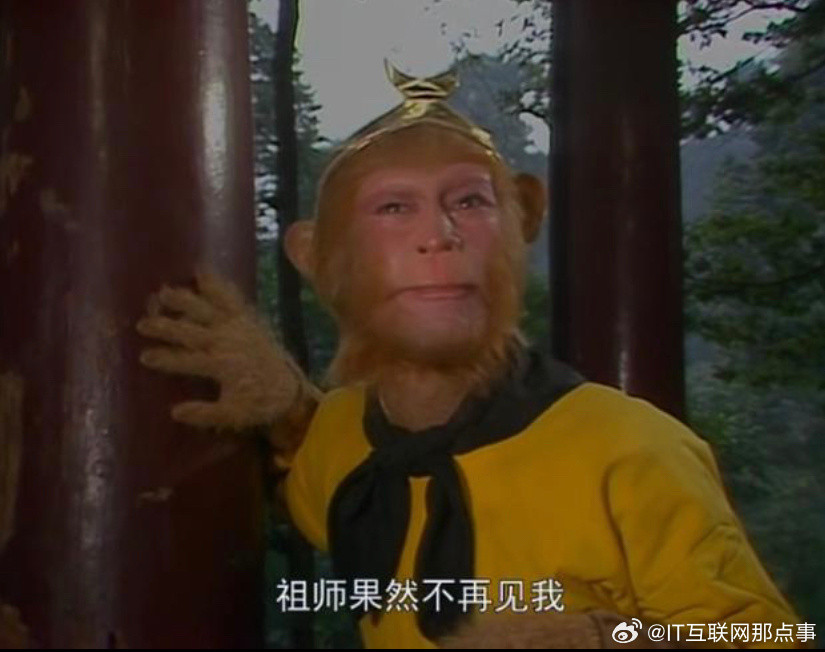
At the center of the debate are two prominent literary figures from China's past: Lu Xun and Hu Shi. Lu Xun, a renowned writer and scholar, believed that Sun Wukong's earliest prototype was the water god Wu Zhiqi, who appeared in ancient Chinese mythology during the time of the Great Yu, a legendary ruler who controlled the floods. According to Lu Xun, Wu Zhiqi was a water monster that caused chaos in the Huai River, leading to devastating floods. The story of Wu Zhiqi's defeat at the hands of the Great Yu bears a striking resemblance to Sun Wukong's rebellion against the heavenly authorities and his subsequent imprisonment under the Five Elements Mountain.
On the other hand, Hu Shi, a philosopher and essayist, argued that Sun Wukong's true prototype was the Hindu monkey god Hanuman, from the Indian epic poem "Ramayana." Hanuman, born to the wind god and a heavenly nymph, possessed incredible strength, agility, and the ability to fly and transform at will. His exploits, including the destruction of the heavenly garden, share a remarkable similarity with Sun Wukong's own adventures.
Weibo users have been actively engaging in the discussion, with some agreeing with Lu Xun's assessment. For instance, one user, @IT互联网那点事, shared an article that highlighted the parallels between Wu Zhiqi's story and Sun Wukong's, pointing out the use of the same magical staff, the Ruyi Jingu Bang, in both tales.
Others, however, have argued in favor of Hu Shi's perspective. A Weibo user, @孙悟空推倒人参果树是有原因的#, shared a post that listed the numerous similarities between Sun Wukong and Hanuman, including their incredible strength, agility, and mischievous nature.
The debate has also sparked a broader discussion on the cultural exchange between China and India. Some users have pointed out that the story of Hanuman's destruction of the heavenly garden shares a similar theme with Sun Wukong's exploits in the Peach Garden, highlighting the potential influence of Indian mythology on Chinese literature.
While the debate continues, it is clear that Sun Wukong's origins are complex and multifaceted, drawing from various cultural and mythological sources. As one Weibo user, @牛逼大明, observed, "The image of Sun Wukong is likely influenced by both Wu Zhiqi and Hanuman, reflecting the rich cultural exchange between China and India."
The ongoing discussion has also led to a renewed interest in the various adaptations of Sun Wukong's character in Chinese literature and art. A Weibo user, @leadersunny, shared a video showcasing the different interpretations of Sun Wukong in Chinese opera, highlighting the Monkey King's enduring appeal as a cultural icon.
In conclusion, the debate on Sun Wukong's origins serves as a testament to the rich cultural heritage of China and the ongoing fascination with the Monkey King's character. As Weibo users continue to engage in the discussion, it is clear that the legend of Sun Wukong will remain an integral part of Chinese cultural identity for generations to come.