US Considers Expelling Canada from Five Eyes Intelligence Alliance
The recent revelation that the United States is considering expelling Canada from the "Five Eyes" intelligence-sharing network has sent shockwaves around the globe. According to a report by the Financial Times, a senior White House official has proposed booting Canada out of the alliance, which also includes the UK, Australia, and New Zealand. This move is reportedly being pushed by Peter Navarro, one of President Trump's most trusted advisors, as a means of increasing pressure on Canada. The development has sparked widespread concern and debate, with many questioning the potential implications for global security and the future of the alliance.
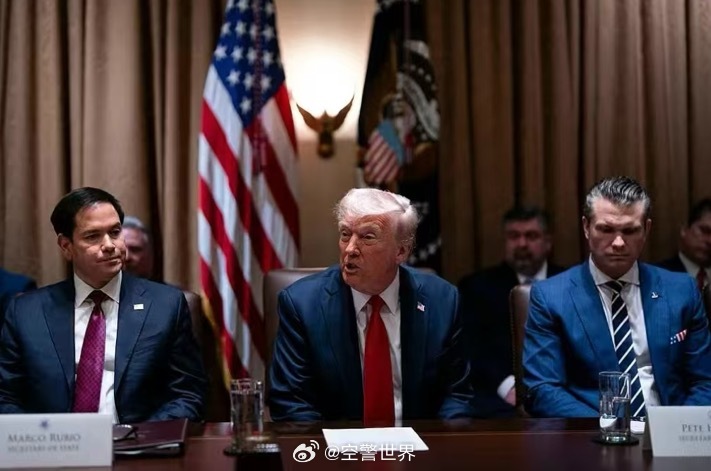
The "Five Eyes" alliance, a highly revered global intelligence-sharing network, has been pivotal in shaping international security and diplomatic relations among its member states. Recently, there have been indications of strain within this alliance, particularly concerning the relationship between the United States and Canada. Former U.S. President Donald Trump once jokingly expressed a desire to annex Canada, a statement that, although made in jest, highlighted the complexities of U.S.-Canada relations. Additionally, Trump had threatened to impose a 25% tariff on goods imported from Canada, following a one-month deferment, escalating trade tensions between the two nations.
The current dynamics are further complicated by the impending change in Canadian leadership, with Prime Minister Justin Trudeau set to step down. This transition occurs at a sensitive time, with global economic strains and geopolitical tensions on the rise. The potential for Canada's exclusion from the Five Eyes alliance, as hinted at by recent media revelations, would significantly impact not only the alliance itself but also global intelligence sharing and security cooperation. The US has announced plans to impose a 25% tariff on goods from the European Union, signaling a broader shift in US trade policy that could have profound implications for international trade and diplomatic relations.
The controversy revolves around the idea of removing Canada from the "Five Eyes" intelligence alliance, with White House senior official Peter Navarro being accused of pushing for this move. Navarro has denied these claims, but sources indicate he is advocating for increased pressure on Canada. The fact that discussions are ongoing among Trump's subordinates, without clear confirmation of Trump's stance, introduces uncertainty. If Trump were to endorse the idea of removing Canada from the alliance, it would significantly impact both the alliance itself and US-Canada relations.
Removing Canada would have profound implications for global intelligence sharing and could weaken the alliance's effectiveness. Canada's contributions to the alliance, including its unique geographical position and expertise, would be lost. This could create a gap in intelligence gathering and sharing, potentially undermining the security of all member nations. The potential removal of Canada from the alliance would have significant implications for both the alliance's effectiveness and US-Canada relations, underscoring the need for clarity on the administration's intentions and the reasoning behind such a move.
The potential expulsion of Canada from the "Five Eyes" alliance could exacerbate existing geopolitical tensions, as nations may reassess their alliances and security agreements in response to the move. This could lead to a shift in the global balance of power, potentially creating new challenges for international stability and security. The expulsion of Canada from the alliance could damage the United States' relationships with its allies, as it may be perceived as an act of aggression or a sign of mistrust. This could lead to increased tensions among nations that have historically cooperated closely on intelligence and security matters.