America's Second Nationwide Ground Stop Since 9/11, as Seen From Weibo
A four-hour communications failure grounded every flight in the United States on Friday, and Chinese social media, which watched the whole thing unfold, drew its own conclusions about American infrastructure.

At 3:53 p.m. Eastern time on November 13, the Federal Aviation Administration ordered every flight in the United States to stay on the ground. Airborne planes could land; nothing else could take off. The reason was not a threat, a storm or a strike, but a communications failure that had knocked out the country's air-route traffic control centres all at once. Four hours later the order was lifted, but the disruption was already enormous: FlightAware counted nearly 7,000 flights delayed or cancelled by day's end, and close to 15,000 when international arrivals were included. The Paper's reporters noted that it was the second full nationwide ground stop since the September 11 attacks in 2001 — the previous one came in January 2023.
The episode hit a nerve in China not because it was foreign news, but because of what it seemed to say about the country the world's second-largest economy measures itself against. Official Chinese coverage was brisk and factual: CCTV International's English-desk account walked through the FAA's order, Transportation Secretary Sean Duffy's statement that the failure had "hit all air-route traffic control centres", and the Homeland Security Secretary's insistence that this was "not another 9/11" — a post that drew more than 700 likes within hours.
The commentary was less restrained. The pun that spread fastest came from a finance-oriented commentator who wrote that the United States had built a system that looked unassailable until it wasn't: "Everyone admires how mature the American setup is, and then the transport minister himself admits the equipment is so old it's been patched for years." He called it "high tech, high risk" — in Chinese, "gaoji xian" (高积险), a near-homophone of "high tech" (高科技) that turns the word itself into a warning. The same post tallied the repair bills: $12.5 billion already spent on upgrades, and $30 billion more, by the FAA's own estimate, to finish the job.
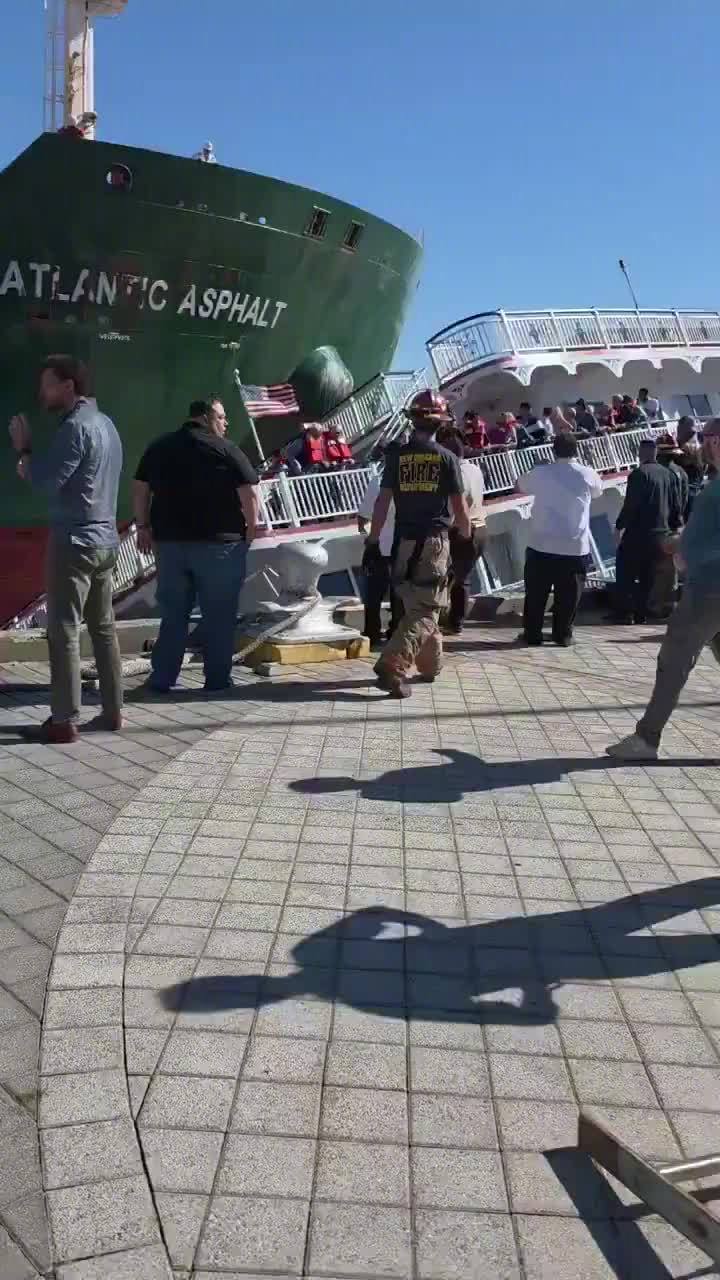
The superlatives wrote themselves. A widely read Weibo poster compressed the day into a single list: a freighter ramming a tour boat in New Orleans, the entire air-traffic system going dark, Amtrak's website crashing under diverted demand, and a Microsoft outage — all in the same 24 hours, with the Homeland Security Secretary assuring everyone there was no need to panic. The whole thing, he wrote, had "a calm sense of madness about it" (平静的疯感).
There was substance behind the sarcasm. The European aviation safety organisation suspended all departures to the United States at the FAA's own request, a precaution that showed how far the outage reached. And in the hours after the stop was lifted, the Transportation Secretary blamed aging technology and router overloads, and asked Congress for emergency funding to replace the system. Chinese media reports noted that FBI investigators believe the failure was not a cyberattack, with one line of inquiry pointing to something almost banal: a software update. Trump himself said the fault looked like outdated infrastructure rather than anything malicious.
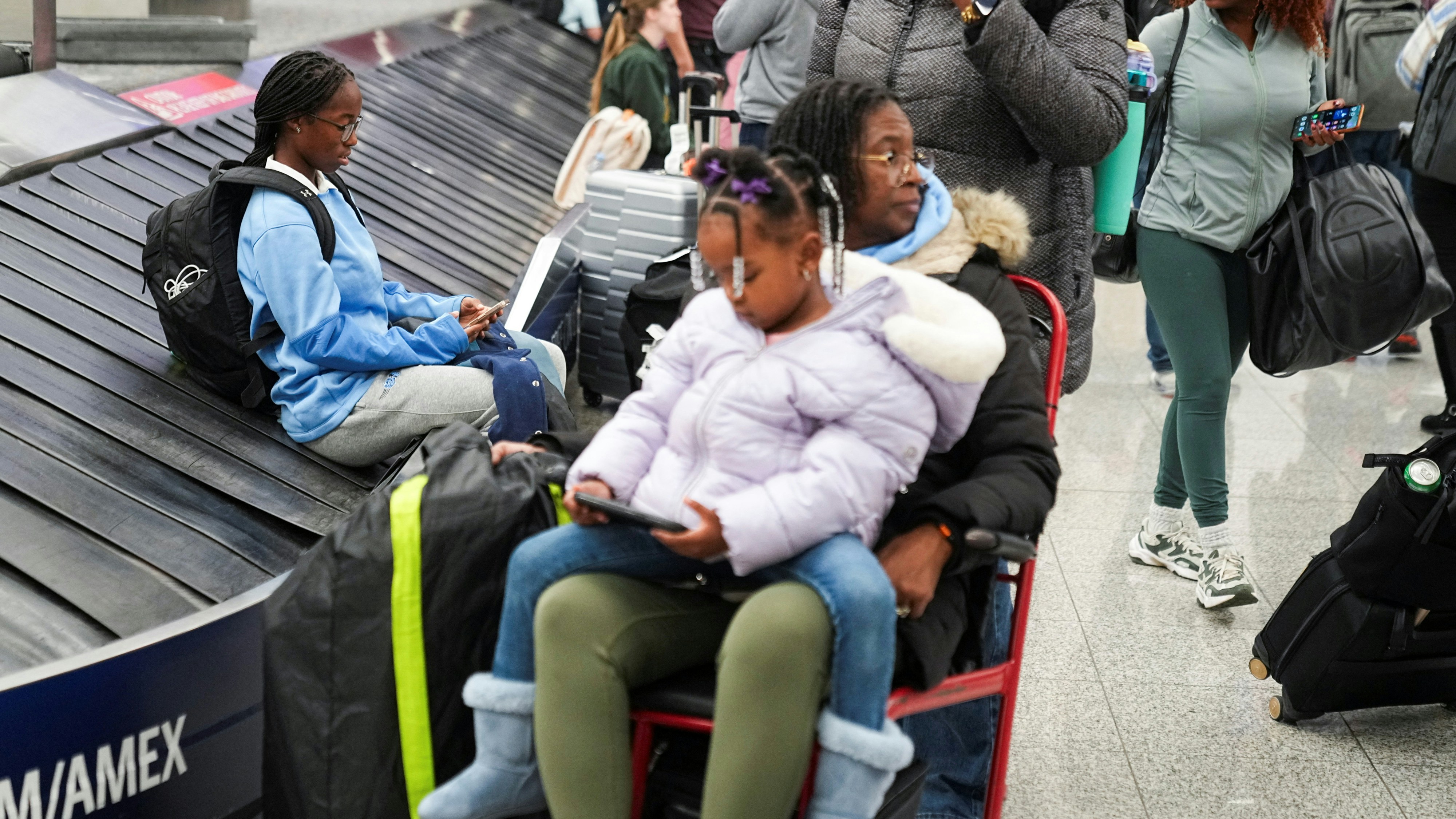
The stop is over; the infrastructure it exposed is not. The question now reaching Congress is whether the same system that quietly grounded the world's largest aviation network for four hours will be funded before the next failure — and the question top of the Zhihu board was a simpler one: what exactly did America just do to itself?