US Suffers Deadliest Plane Crash in 24 Years, Sparking Air Safety Concerns
The United States has experienced its deadliest plane crash in 24 years, resulting in a massive loss of life and prompting widespread concern over air safety. The devastating accident, which occurred when a commercial airliner collided with a military helicopter in mid-air, has sent shockwaves across the nation. The incident has raised questions about the management of air traffic in one of the country's most sensitive and complex airspace, where the crash occurred near the White House and other key government facilities. As investigators work to determine the cause of the tragedy, which claimed the lives of all on board, including two Chinese citizens and two world champion figure skaters, attention is focused on the potential flaws in air traffic control and the need for improved safety protocols to prevent such disasters in the future. This tragedy serves as a stark reminder of the importance of prioritizing air safety and the need for vigilance in the skies.
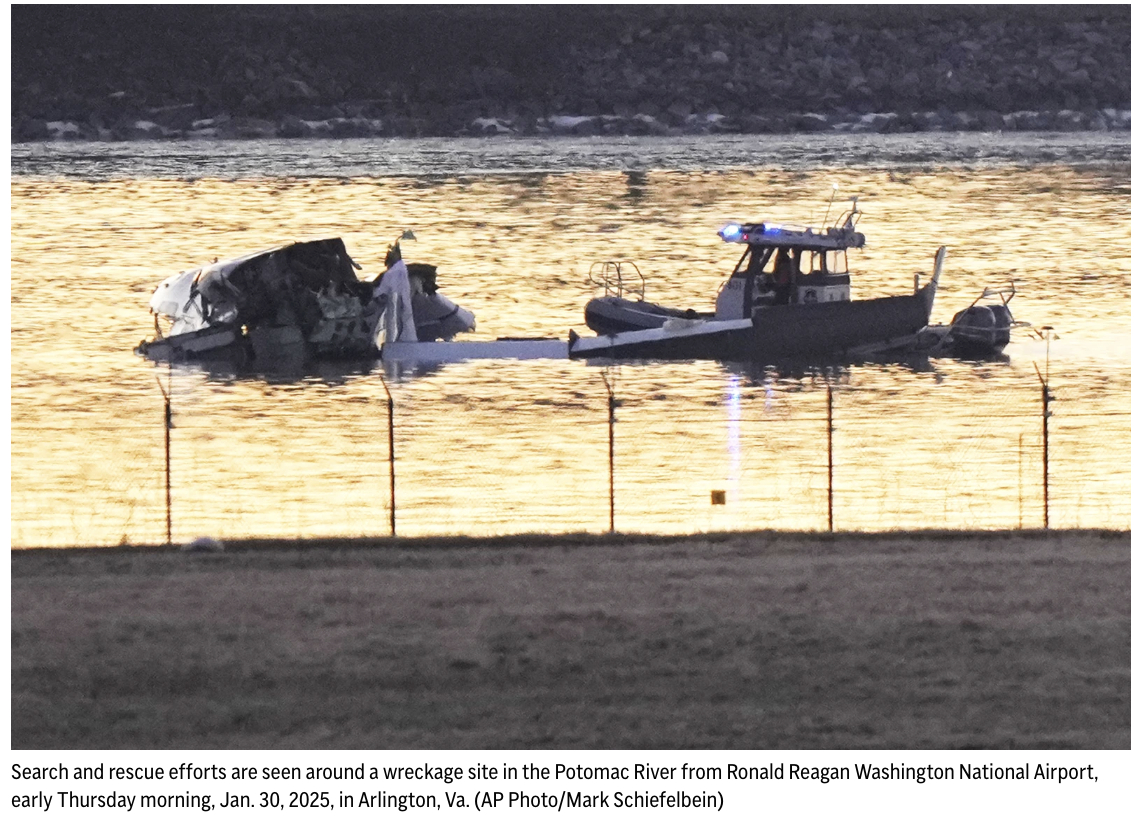
A devastating mid-air collision occurred on January 29, 2025, when an American Airlines Bombardier CRJ700 jet, flight AA5342, crashed into the Potomac River while attempting to land at Washington Reagan National Airport. The plane, carrying 60 passengers and 4 crew members, collided with a US military "Black Hawk" helicopter that had 3 military personnel on board. As of January 30, approximately 40 bodies had been recovered from the crash site without moving the wreckage, with US President Trump confirming that there were no survivors. This accident is considered the most severe in the US in 24 years, primarily due to the extreme severity of the casualties, with nearly all on board losing their lives. The incident also involved a wide range of individuals, including 2 Chinese citizens and 2 world champion figure skaters.
The crash happened in one of the most sensitive and complex airspaces in the US, near the White House and the Capitol Building, which are supposed to be under the most stringent air traffic control. The fact that such a severe collision occurred in this area highlights potential significant issues with air traffic management. The investigation into the accident is ongoing, with preliminary findings suggesting that air traffic control personnel may have been insufficiently staffed at the time of the collision.
The accident has raised concerns about the safety of air traffic in the region and the procedures in place for military and civilian aircraft to share the same airspace. An expert, Bradley Berman, a former Black Hawk pilot, suggested that the military helicopter might have been training at night to prepare for VIP transport missions, which could explain its presence in the area. The incident is a tragic reminder of the risks associated with air travel and the importance of ensuring the highest standards of safety and air traffic control.
The cause of the accident is likely attributed to the chaotic management of air traffic, with civilian and military aircraft sharing the same airspace. The slightest miscalculation in flight planning could lead to a catastrophic collision. Different types of aircraft have distinct flight characteristics and mission requirements, yet they navigate through the same limited airspace, increasing the risk of accidents. Furthermore, in the event of an emergency, the lack of a well-coordinated response mechanism may lead to delays, causing the parties involved to miss the optimal response time.
This incident is not simply an isolated accident, but rather a stern test of the global aviation safety system. It highlights the need for more rational airspace planning, clear division of civilian and military airspaces, and stricter flight regulations to ensure the safety of all airborne vehicles. The investigation into the crash has already pointed to potential lapses in air traffic control, with reports suggesting that the airport's air traffic control tower was understaffed at the time of the accident. The fact that a single air traffic controller was handling both helicopter and runway traffic, tasks that are usually performed by two separate controllers, raises serious questions about the adequacy of current air traffic management practices.
As the world grapples with the aftermath of this devastating accident, it is imperative that aviation authorities and regulatory bodies worldwide take a hard look at their safety protocols and air traffic management systems to prevent such tragedies from occurring in the future. The implementation of more stringent safety measures and the enhancement of air traffic control infrastructure are crucial steps towards ensuring that every flight can take off and land safely, and that every journey can come to a safe conclusion.
To prevent similar accidents from occurring in the future, it is imperative that more rational air traffic planning is implemented. This includes clearly demarcating civilian and military airspaces to reduce the risk of flight conflicts. Furthermore, stricter flight regulations are necessary to standardize pilot operations and ensure flight safety. The establishment of a more effective coordination mechanism is also crucial to minimize delays in response times during emergency situations.
Implementing advanced air traffic control systems that can detect and prevent potential collisions in real-time is essential. Ensuring that all aircraft, including civilian and military, undergo regular maintenance and inspections to prevent mechanical failures is also vital. Providing comprehensive training to pilots on emergency procedures, conflict avoidance, and safe flying practices is necessary. Implementing a more efficient airspace management system that separates civilian and military air traffic to minimize the risk of collisions is also crucial. Encouraging international cooperation and information sharing to prevent accidents and enhance global aviation safety is also important.
The recent accident in the United States, which resulted in significant loss of life, serves as a stark reminder of the importance of enhancing aviation safety measures. By implementing more rational air traffic planning, stricter flight regulations, and enhanced safety protocols, we can reduce the risk of similar accidents occurring in the future. The safety of passengers and crew members should always be the top priority, and it is the responsibility of aviation authorities and airlines to ensure that all necessary measures are taken to prevent such tragedies.