Vigilante or Hero: The Story of a Man Who Reported 2,277 Traffic Violations in One Year
In the past year, a remarkable case has emerged of a man, identified as Mr. Wang, who has taken it upon himself to report an astounding 2277 instances of traffic violations, primarily focusing on the illegal occupation of emergency lanes. What drives Mr. Wang is not the prospect of financial reward but a deep-seated commitment to upholding traffic order and ensuring public safety. His efforts have been so diligent that he has upgraded his recording equipment to more efficiently capture evidence, with some days resulting in nearly a hundred violations being documented. Notably, 222 vehicle owners have been repeatedly reported for similar infractions, highlighting a blatant disregard for traffic laws among these individuals. This situation underscores the importance of community vigilance and the need for stricter enforcement of traffic regulations to deter such reckless behavior and maintain the integrity of emergency services.
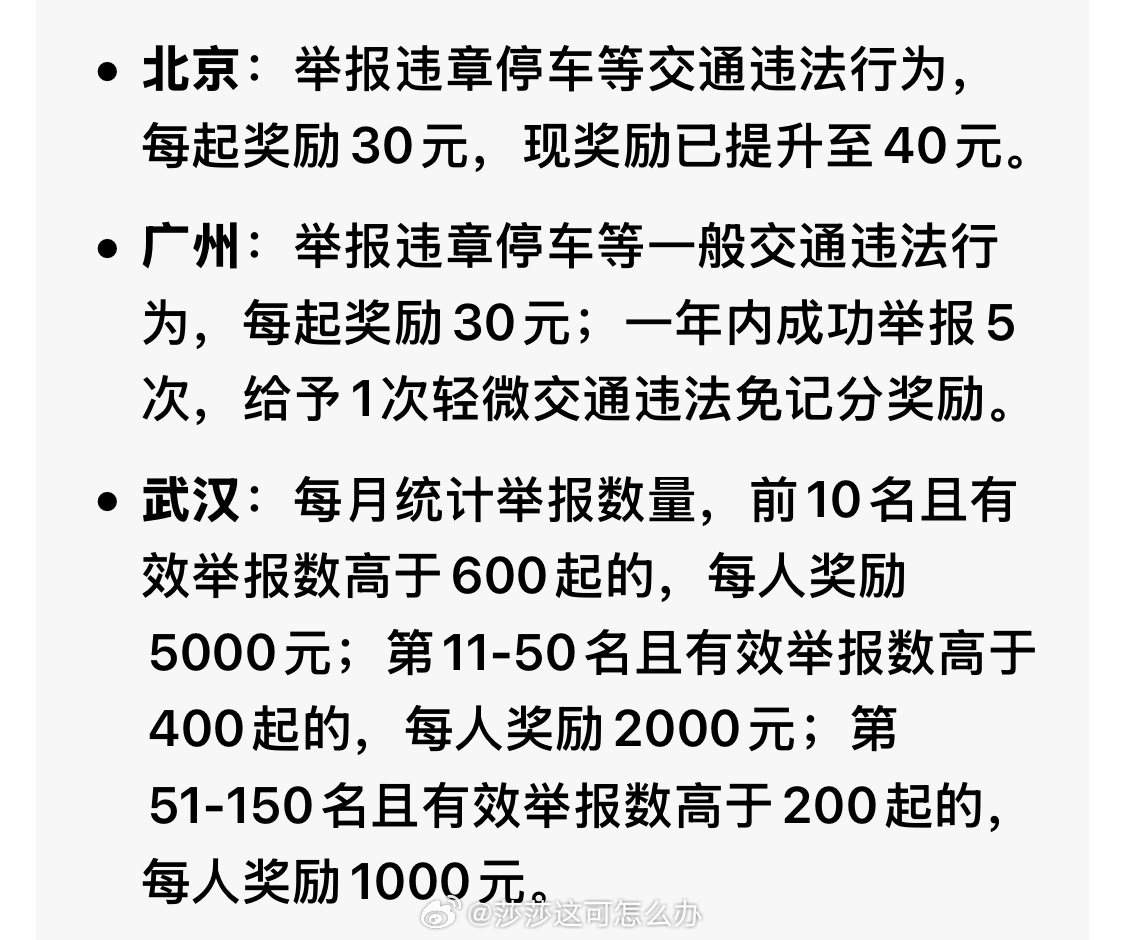
The incident has sparked a mixed reaction from the public, with some commending Mr. Wang's actions as a heroic effort to maintain traffic order, while others have criticized him for being a "troublemaker" who is intentionally stirring up trouble. Despite the backlash, the Guangzhou traffic management department has expressed support for Mr. Wang's behavior, stating that citizens are encouraged to report traffic violations via phone or social media platforms, thereby endorsing his actions. This validation from the authorities highlights the complexities of civic engagement and the role of individual responsibility in maintaining social order.
The actions of Mr. Wang have contributed to maintaining traffic order and raising public awareness about road safety. By speaking out against traffic violations, Mr. Wang hopes to encourage more people to adhere to traffic rules, thereby reducing the occurrence of such incidents. His determination serves as a reminder of the importance of community involvement in ensuring public safety and highlights the need for a collective effort to combat reckless driving habits. Through his actions, Mr. Wang has ignited a crucial conversation about the role of individual responsibility in preventing traffic accidents and promoting a culture of compliance with traffic regulations. Ultimately, his story underscores the potential for ordinary citizens to make a significant impact on their communities by taking a stand against disregards for the law, even in the face of criticism or ridicule.
Mr. Wang's commitment to his cause is evident in the sheer volume of violations he has reported, with 1945 of the 2277 cases being accepted by the authorities. His goal is to promote a sense of responsibility among drivers and to encourage them to follow traffic rules. He believes that reporting traffic violations is a way to protect the public interest and to maintain traffic order. As the debate surrounding Mr. Wang's actions continues, it raises important questions about the role of citizens in maintaining traffic order and the importance of promoting a culture of responsibility on the roads.