From Viral Phrase to Summer Anthem: How ‘Mei Mei Sang Nei’ Turned a K‑Pop Track into China’s Biggest Hit
In the summer of 2025 a single phrase burst onto China’s social‑media feeds, echoing through short‑video platforms, chat threads and karaoke rooms with a force that few could have predicted. “美美桑内” – a phonetic rendering of the Korean words 매일매일 설레, roughly “every day my heart flutters” – became the soundtrack of a season, catapulting a relatively unknown singer into the spotlight and turning a modest album track into a cultural touchstone.
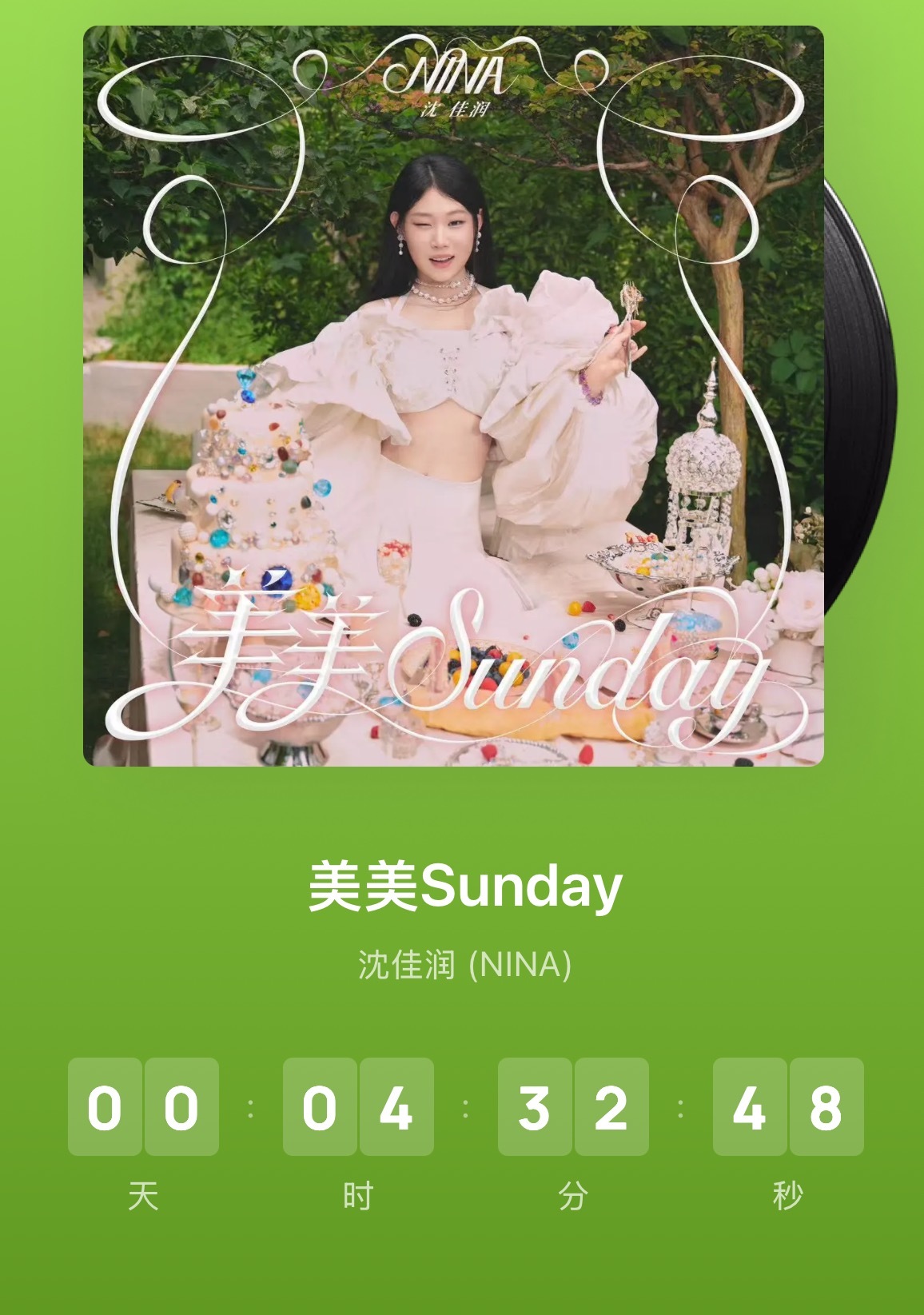
The story began on July 25, when Shen Jiarun – known on stage as Nina – released a new song titled “One Spot” as part of her debut K‑pop‑inspired album. Though it was not the album’s lead single, the track’s bright melody and Shen’s distinctive, slightly husky voice quickly attracted attention. Within days it topped the QQ Music chart for South Korean releases, an unusual feat for a Chinese‑born artist performing in Korean. The song’s hook, the repetitive “美美桑内,” proved especially infectious; its simple, almost hypnotic cadence made it ideal for the looping, meme‑friendly format of Douyin (China’s TikTok) and Weibo’s short‑form videos.
Two days later, Shen’s father, seasoned comedian Xiao Shenyang, took to his own social‑media accounts to announce that his daughter had written Chinese lyrics for the hit. The revelation was more than a family anecdote—it signaled a rapid pivot from a foreign‑language single to a domestically tailored anthem. By August 18, media outlets were already reporting that “美美桑内” remained a dominant cultural phenomenon, noting how the song’s popularity persisted beyond the usual fleeting viral burst.
Fans responded with a fervor that blurred the line between casual listening and collective participation. On Douyin, users posted dozens of dance challenges set to the track, each iteration incorporating the phrase “美美桑内,一个劲儿的叭叭,” a line that quickly became a meme in its own right. On Weibo, comments ranged from light‑hearted jokes about the song’s “brain‑washing” quality to earnest praise for Shen’s lyrical effort. Phrases such as “越听越上头” – “the more you listen, the more addictive it gets” – trended alongside hashtags calling Shen “妹宝” (little sister treasure) and “国民闺女” (national daughter). The song was added to countless playlists almost overnight, and even veteran comedians like Jia Bing were coaxed by Xiao into performing their own versions, further amplifying the track’s reach.
What makes “美美桑内” noteworthy isn’t merely its catchiness; it illustrates a broader shift in how Chinese pop culture absorbs and reshapes foreign influences. Traditionally, Korean pop songs have entered the Chinese market either as imported hits or as licensed covers, often retaining the original language. Shen’s decision to craft her own Chinese lyrics represents a new tier of localization—one where the artist herself becomes the conduit between cultures, translating not just words but the emotional cadence that resonates with local listeners. This move signals a growing trend in the entertainment industry: content creators are increasingly expected to adapt foreign material in ways that feel authentic rather than merely transliterated.
The implications for the industry are multiple. First, the rapid turnaround—from viral Korean release to Chinese version within weeks—demonstrates how fan demand can accelerate production cycles. In an era where audiences can mobilize billions of views in hours, waiting for a label’s official licensing process can mean missing the moment entirely. By taking the initiative herself, Shen showcases a rising model of artist agency, where performers are not just vocalists but also lyricists and brand strategists. Moreover, the episode underscores the power of fan communities to shape an artist’s output. The Chinese version was not a top‑down decision; it emerged from a groundswell of requests on Douyin and Weibo, highlighting how digital fandom now functions as a direct line to creative decisions.
From a marketing perspective, the saga illustrates the potency of meme culture as a promotional engine. The phrase “美美桑内” had the hallmarks of a viral grain: short, phonetically appealing, and easily loopable. Once it infiltrated the algorithmic feeds, the song’s chart performance followed almost automatically. Xiao Shenyang’s comedic endorsements—teaching fellow entertainer Jia Bing to sing the tune, joking about being the “美美桑内 father”—served as a second wave of amplification, merging traditional celebrity influence with internet‑born hype. The result is a case study in how legacy media personalities can be repurposed to sustain digital trends.
On the societal front, the phenomenon reflects a generation that consumes media as a participatory experience. Young Chinese users are not passive recipients; they remix, comment, and create derivative content at a scale that reshapes the original work’s meaning. By providing a Chinese lyrical version, Shen not only satisfied a linguistic preference but also affirmed a cultural identity that, while increasingly globalized, still values the resonance of native expression. The father‑daughter dynamic adds a layer of relatability; Xiao’s public support frames the story as a familial endorsement of youthful ambition, a narrative that aligns neatly with broader Chinese values of filial respect and collective achievement.
Even the political undercurrents, though subtle, merit attention. The success of a Chinese‑crafted adaptation of a Korean pop song can be read as an instance of “soft power” in action. While the track is not a state‑sponsored cultural export, its cross‑border appeal contributes to a broader tapestry of cultural exchange that can soften diplomatic frictions and promote mutual understanding. At the same time, the episode dovetails with domestic policy narratives that champion homegrown talent and self‑sufficiency in the cultural sector, suggesting that Chinese creators can compete on the global stage without relying entirely on foreign imports.
Public sentiment surrounding the Chinese version remains overwhelmingly positive. On Weibo, users lauded Shen’s “business acumen” and “strong stage presence,” noting that her direct involvement in the lyric‑writing process added authenticity that fans could feel. Many expressed delight that the adaptation arrived quickly, remarking that the speed of release kept the momentum of the original wave alive. The song’s inclusion in daily playlists, the flurry of “add to my playlist” comments, and the steady stream of duets and karaoke videos all point to a track that has moved beyond fleeting virality into a staple of summer soundtracks.
In sum, the rise of “美美桑内” – from a non‑title track called “One Spot” to a nationwide anthem with a Chinese lyrical edition – encapsulates the evolving mechanics of modern pop culture in China. It showcases how a blend of catchy composition, strategic artist involvement, fan‑driven demand, and savvy use of digital platforms can transform a song into a cultural moment. As Shen Jiarun (Nina) continues to ride the wave she helped create, her experience may well become a template for future artists seeking to navigate the fast‑moving currents of a hyper‑connected, multilingual entertainment landscape.