Nine Years On, Wang Chuanjun's Tribute to Kimi Qiao Didn't Need a Name
When actor Wang Chuanjun talked about a friend he lost on the variety show Call Me By Fire, he never said the name. Everyone watching knew it was Kimi Qiao Renliang, the singer-actor and fellow 2007 talent-show alum who died by suicide in 2016. Nine years later, the unnamed tribute has become one of the week's most shared moments of Chinese television.
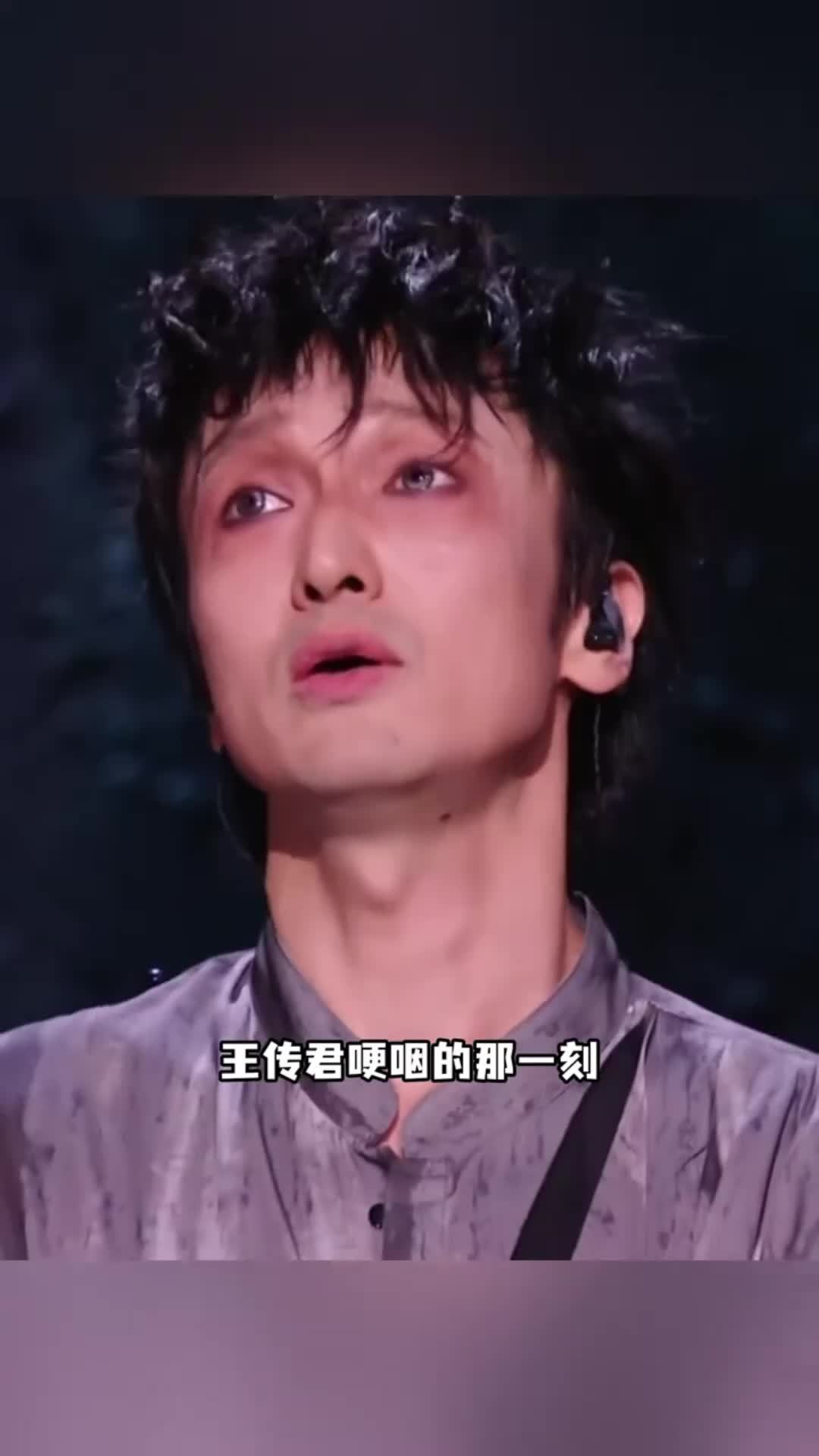
Wang Chuanjun has spent his second act being unsentimental — the art-house actor who broke through in Dying to Survive and then mostly stopped courting fame. This week, on the music-variety show Call Me By Fire, sentiment found him anyway. As one fan account described it, he never named the friend he was remembering; anyone listening knew. The clip of him choking up on a dark stage has since circulated far beyond the show's own feed.

The friend was Kimi Qiao Renliang. Both men came up through 加油!好男儿 (Come On, Good Men!), the 2007 talent show that packaged a generation of fresh-faced male stars. Qiao ran with that machinery, building a sunlit career as a singer and actor; Wang later turned decisively against it. Qiao died by suicide in September 2016, at 28, and the news remains one of the rawest memories in Chinese pop culture.
The reaction this week has focused on how Wang changed afterward. One widely shared tribute put it with a melancholy punch: back then Wang was bright and quick to laugh, and little by little he became the guarded person he is now. Then comes the line fans kept quoting, with the dead name still in capitals: 小鸟飞出去了,KIMI却没能逃出去! — "The little bird flew out; Kimi never made it." The original is too strange and specific to smooth into English; it's why so many people stopped scrolling.
Part of what lands is the restraint itself. Celebrity grief in China is often a polished, hashtagged affair, and Wang offered none of that. He didn't say the name, didn't announce a tribute, didn't turn pain into a content beat. He just described a friend, and the silence around the name did the work. The old Come On, Good Men! footage has resurfaced with it — two young men in matching performance gear, one of them now speaking about the other in the present tense and the other gone.