Wang Dafu Discusses the Reasons Behind the Low Screening Rate of The Eagle Shooting Heroes
In a surprising turn of events, Chinese actor Wang Yibo's latest film, "The Legend of Hero," has been struggling to gain traction at the box office, with many theaters giving it limited screening slots. Recently, Wang Da Hai, a Chinese media personality, weighed in on the issue, attributing the film's poor screening schedule to the initial rush of fans purchasing tickets, followed by a lack of sustained interest from the general audience. Despite this, Wang Da Hai praised the film as a "noteworthy masterpiece" with vivid characters, epic battle scenes, and stunning visuals. The discussion surrounding the film's performance has sparked a lively debate among fans and critics, with some defending the film's quality and others questioning its appeal to a broader audience. As the Chinese film industry continues to evolve, the story of "The Legend of Hero" serves as a fascinating case study on the complexities of marketing, fan culture, and the ever-changing tastes of moviegoers.
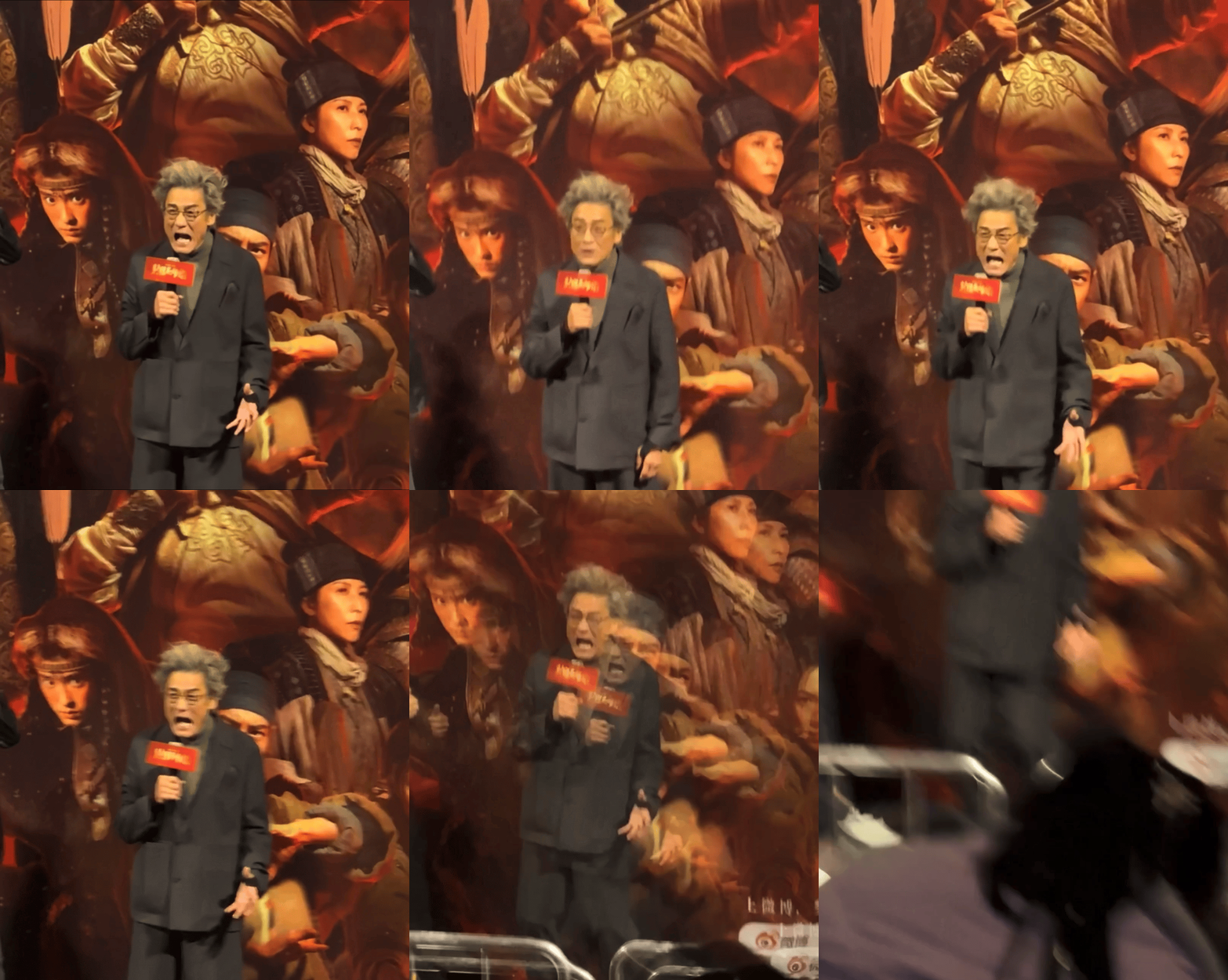
Wang Dafu, a renowned figure in the Chinese entertainment industry, shed light on the reasons behind the low screening rates of the movie "The Eagle Shooting Heroes". According to Wang, the initial enthusiastic response from fans, who bought tickets in bulk, was not sustained, resulting in a decline in foot traffic. As a consequence, cinemas were reluctant to allocate more screening slots to the film, despite its perceived quality. Wang's comments sparked a lively debate on social media, with some users attributing the low screening rates to the movie's supposedly poor quality or the actors' lackluster performances. However, others defended the film, highlighting its well-developed characters, epic battle scenes, and captivating storyline.
The discussion also drew in various users, who lamented the difficulties faced by filmmakers in securing sufficient screening slots, and pointed out that excellent movies like "Ne Zha" had also faced similar challenges. Meanwhile, others attempted to educate the audience on the intricacies of film scheduling, and expressed admiration for the movie's themes of heroism and chivalry. Wang's comments have ignited a broader conversation about the complexities of the Chinese film industry, where box office success is often influenced by a multitude of factors, including fan engagement, cinematic quality, and scheduling strategies.
The discussion around the low screening rate of "The Legend of the Eagle Shooting Hero" has sparked a heated debate among fans and industry insiders. According to Wang Dafo, the initial surge in ticket sales was driven by repeat purchases from loyal fans, but the subsequent drop in attendance led to theaters reducing the film's screening schedule. This decision was likely made to optimize profits, as theaters prioritize films with higher demand and more consistent attendance. Some netizens attribute the low screening rate to the film's quality and the actors' performance, suggesting that only mediocre movies struggle with low attendance. However, others argue that even excellent films like "Ne Zha" can experience low screening rates due to various factors.
Despite the low screening rate, "The Legend of the Eagle Shooting Hero" remains a commendable film with vivid characters, grand action sequences, and stunning visuals. The film's creators and cast have also demonstrated a positive attitude, remaining enthusiastic and composed in the face of challenges. The film's low screening rate is not a cause for concern, as the team behind the movie remains stable and excited. The screening schedule is often determined by the film's distributor and their ability to negotiate with theaters. The timing of the film's release, particularly during the competitive Spring Festival season, also plays a significant role in determining its screening rate.
As the debate surrounding the low box office performance of "The Legend of the Condor Hero" continues, it's essential to consider the future prospects of the film. Despite the disappointing initial numbers, the movie has received praise for its well-developed characters, epic battle scenes, and stunning visuals. The film's director attributes the low box office to the phenomenon of fans buying multiple tickets in the initial stages, followed by a decrease in foot traffic. However, this does not necessarily mean that the film is not worth watching. On the contrary, many viewers have expressed their enthusiasm for the movie, citing its engaging storyline, impressive action sequences, and memorable characters.
The film's ability to cater to a wide range of audiences, from young to old, is also a significant factor in its favor. The discussion around "The Legend of the Condor Hero" raises important questions about the role of fan culture in shaping a film's success. While some fans may prioritize supporting their favorite actors or franchises over the quality of the movie itself, others argue that a good film should be able to stand on its own merit, regardless of the fame of its cast. In the context of the Chinese film industry, the performance of "The Legend of the Condor Hero" serves as a reminder of the complexities involved in evaluating a movie's success.
With the rise of online platforms and social media, fan engagement and word-of-mouth play a crucial role in determining a film's box office prospects. As the industry continues to evolve, it will be interesting to see how filmmakers and studios adapt to these changing dynamics. Ultimately, the future of "The Legend of the Condor Hero" will depend on its ability to attract and retain a broader audience, beyond the initial fan base. If the film can continue to generate positive buzz and encourage viewers to share their experiences with others, it may still have a chance to recover from its slow start and achieve long-term success. As one commenter noted, "a good movie is a good movie, regardless of the initial box office performance." Only time will tell if "The Legend of the Condor Hero" will be able to overcome its initial challenges and emerge as a beloved classic in the world of Chinese cinema.