The Slow Unraveling of China's Farm-Life Fantasy
A short Weibo post telling urban dreamers to stop romanticizing farm life has drawn thousands of likes and a flood of memories from people who actually grew up harvesting wheat and threshing corn. Behind the yearning for a pastoral escape, the thread argues, sits a reality of blistered hands, dawn labor, and a countryside that long subsidized China's industrial rise.
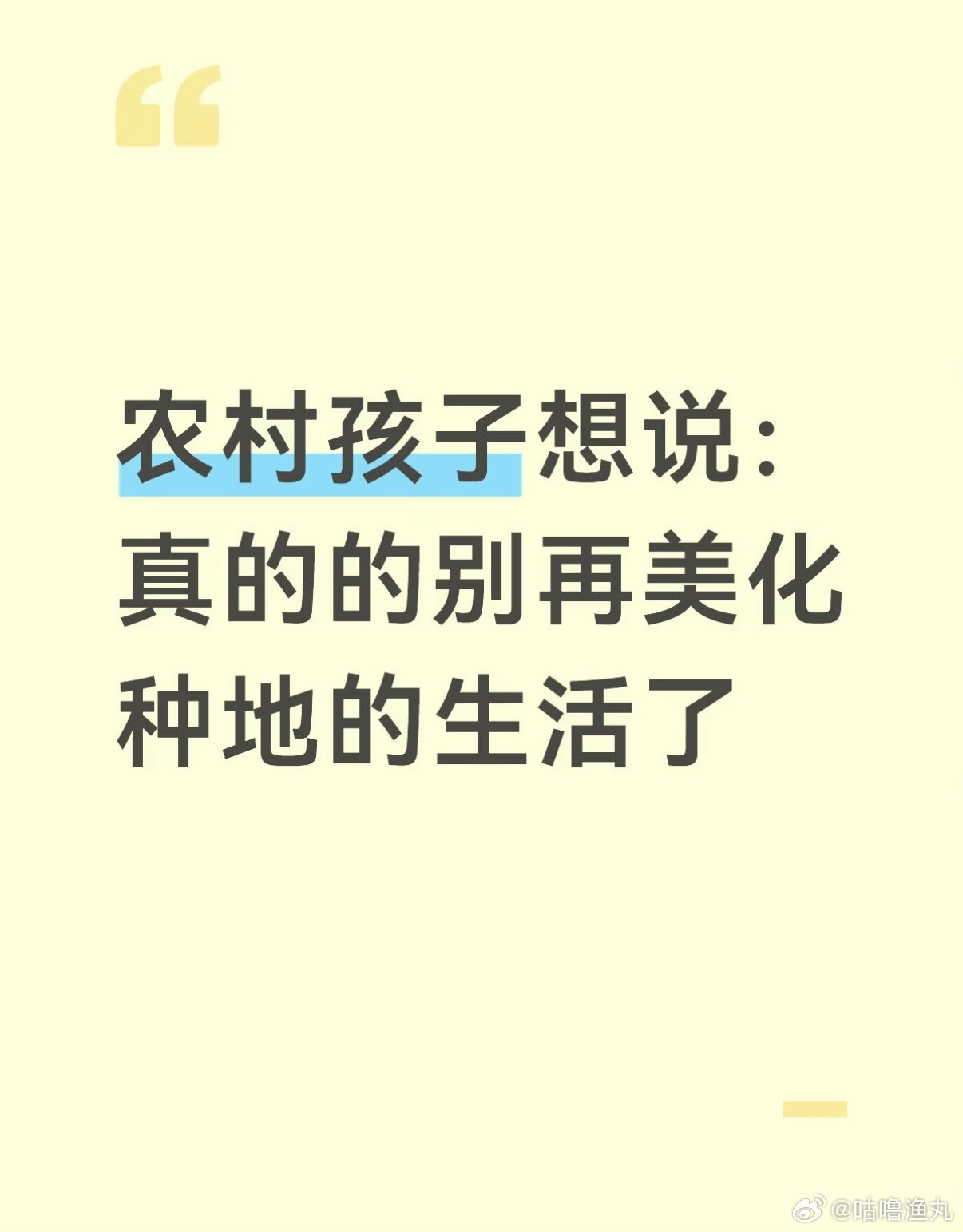
The romance of returning to the land has a durable audience in China: short videos show misty tea fields, wooden courtyards, and meals cooked over a wood fire, all promising a life unhurried by city time. A single Weibo post this week asked that audience to look again.
"Stop beautifying farm life," the message read, and it was not a joke. In reply, people who grew up among fields posted what the mood boards leave out: childhood mornings rising before light to thresh corn by hand, arms itching for a week wherever the leaves touched, the knowledge that wheat has to be brought in quickly before it spoils in the heat.
The original post, liked nearly 6,000 times, became a thread of counter-nostalgia. One reply described the endless cycle of farm work as Sisyphan—blisters, sunburn, harvest after harvest, and then the same field again. Another contributor, writing in the hotword's stream, offered a sharper historical framing. Anyone still carrying a pastoral filter, he wrote, should come back to the village and haul manure for half a day. "That will cure you of all poetry and distant dreams."
His deeper point concerned who gets to fantasize. China's sent-down youth of the 1960s and 70s—urban students dispatched to the countryside during the Cultural Revolution—returned and wrote an entire body of scar literature about how rural life had broken them. "If a few years in the village felt like a shock to them," he wrote, "what about the farmers who stayed there for a lifetime?" The only real exit, in his telling, was a bus ticket to a city job; the village was where a person went back to wait out old age at low cost.
That two-sided memory is what gives the thread its sting. Rural China is the backdrop both to an aspirational internet aesthetic and to the country's industrial origin story, in which agriculture quietly fed the factories for decades. The phrase "bringing in the wheat" lands differently for someone doing it by hand in August than for someone watching it through a filter.
The conversation ended not with a resolution but with a demand: if the city is built on what the countryside gave it, don't rewrite that giving as an escape that was always waiting there, lovely and free.