Why China Has Fallen for Clip-On Earphones
A Weibo question about why clip-on earphones are suddenly everywhere drew thousands of answers this week: inflamed ear canals, 'oily ears,' and a pivot from noise-cancelling immersion to all-day situational awareness — with Shokz's new OpenDots 2 signaling the category's maturation.
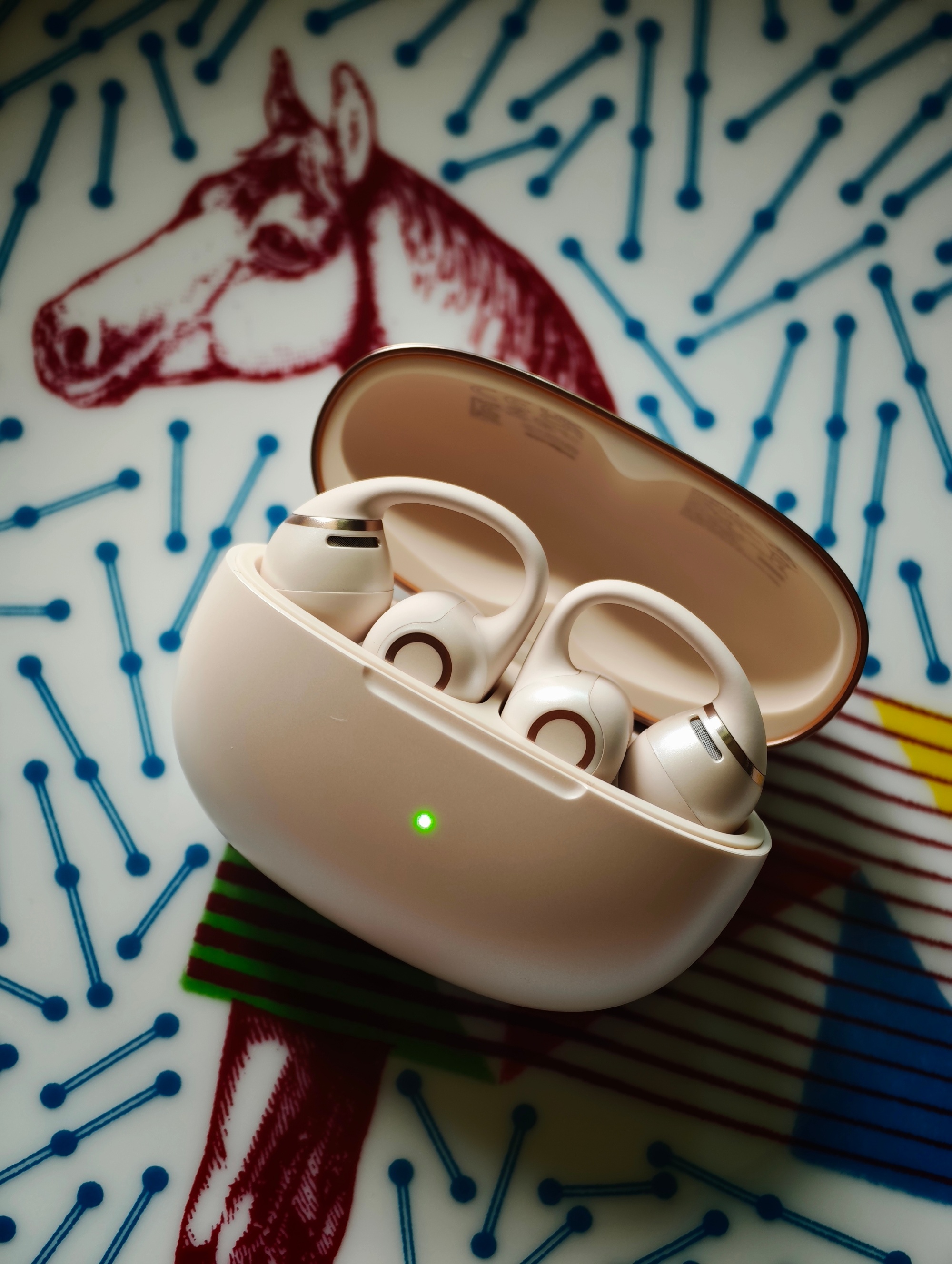
"Why are clip-on earphones suddenly so popular?" One Weibo account posted the question on Thursday, and within hours it had collected nearly 3,000 likes and a comment section that reads like a small inquiry into the state of Chinese ears. The object in question is a horseshoe-shaped bud that pinches onto the rim of the ear — the ear-clip — leaving the canal itself open. For a decade, Chinese commuters bought earphones whose entire selling point was sealing that canal shut, for silence. The best-selling form factor now dangles beside it instead.
The answers converge on the body. "Because it's comfortable," one reply begins. "After years of in-ear buds my ears were nearly ruined. Clip-ons are comfortable, they don't press, and my ear canal doesn't get inflamed." Another answer, reproduced in a screenshot, put it in the vocabulary of Chinese health discourse: modern diets make skin oily, and long hours with in-ear buds breed what users call 油耳 — "oily ears" — greasy, smelly, prone to recurring otitis externa. (Earwax type is genetic, and the dry kind that dominates in East Asia sheds flakes rather than sealing the canal in wax; popular explanation prefers diet, but either way, sealing anything in there for two hours on the subway is widely considered a bad idea.) A third commenter said she once wore hers into the shower without noticing.
What the jokes describe is a change in what the earphone is for. Noise cancellation was sold as immersion; the clip-on sells as its opposite — music, podcasts and work calls layered over a commute you can still hear. Office workers can take calls while remaining answerable to whoever walks past their desk; runners keep traffic noise. On the original question thread, the most-liked answer was one word: comfort.
The industry has noticed which way the wind blows. A detailed review of the new OpenDots 2 from Shokz — the open-ear specialist that claims the largest global patent portfolio in the category — opens by calling the clip-on track "increasingly crowded," with brands at every price point dodging the same two problems: pressure pain over long wear and thin sound. Shokz's answer to the second is a 11.8-millimetre dual driver array and acoustic routing that bounces bass off the ear's own cartilage; cheaper brands lean on the Shenzhen supply chain to sell the form factor for the price of lunch.
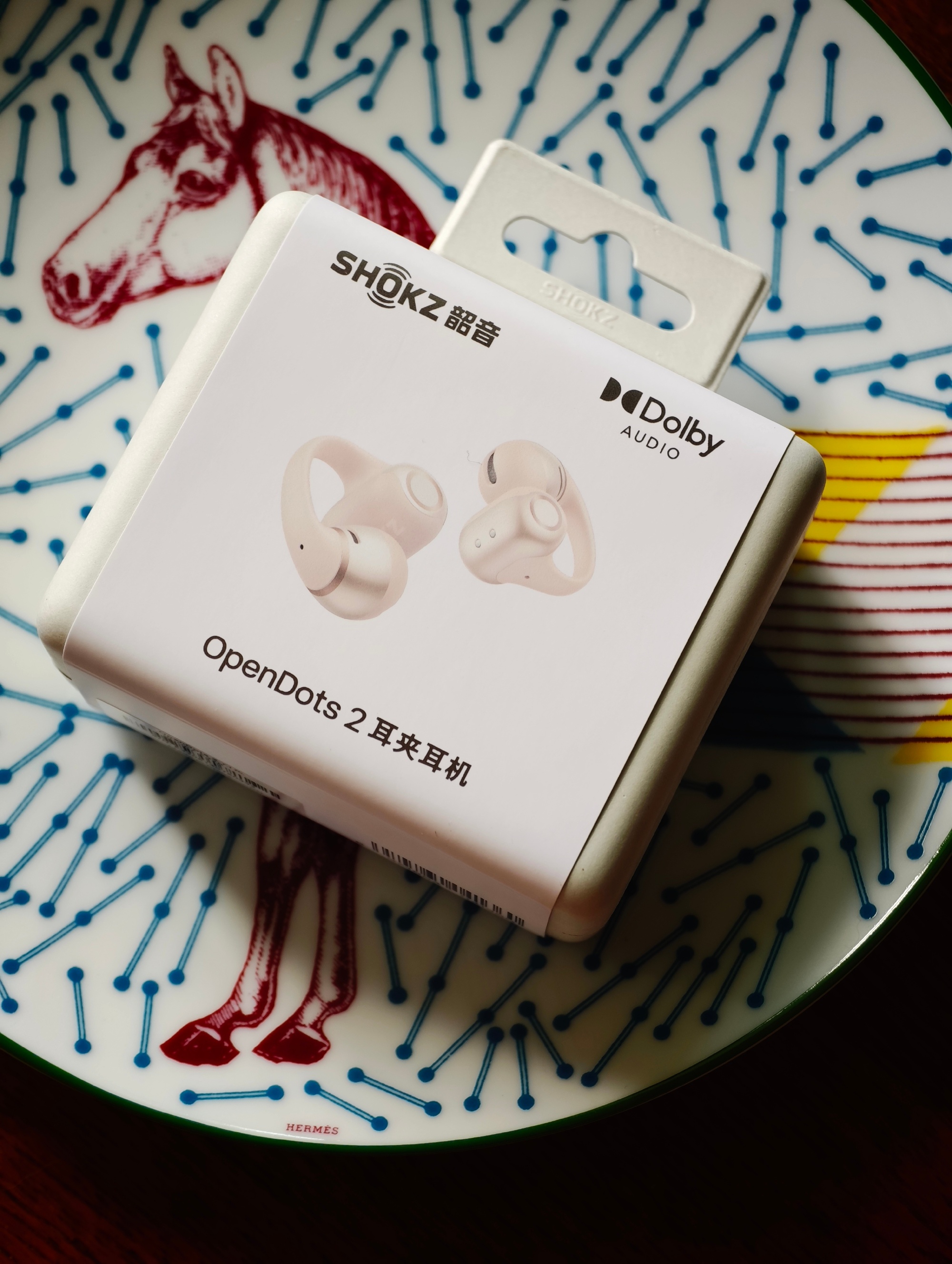
The category's maturation shows how quickly Chinese consumer hardware can move. The clip-on went from curiosity to default in roughly two years, and the debate has already shifted from whether the form works to which execution works — waterproofing, multi-device pairing, five-minute charges rated for two hours. What began as a compromise for people whose ears rejected in-ear buds is now pitched as the sensible default for anyone whose ears spend the day on call. The review's closing verdict — that clip-ons have finally become possible to wear all day — would have read as a contradiction two years ago, since the whole point of earphones was never to forget you were wearing them.