Sunken Cargo Ship Full of iPhones Deflates the Scalper Premium on Apple's Foldable
After a container ship burned and sank in the Strait of Hormuz with iPhones aboard, fishermen salvaged brand-new handsets from the sea — and China's scalper premium on Apple's new foldable collapsed within a day, from 58,000 yuan to a few thousand.
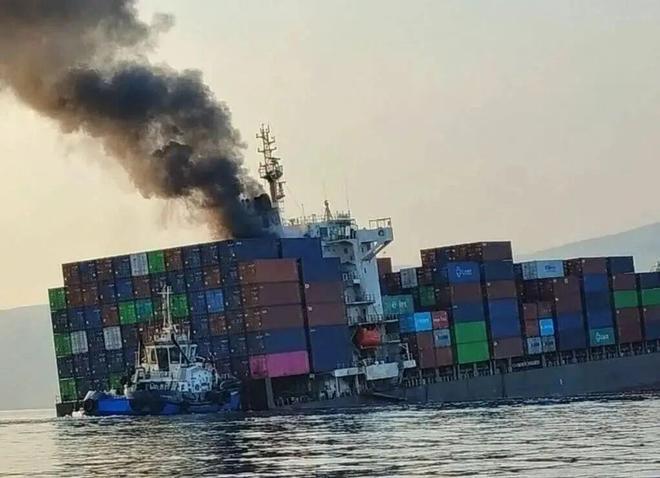
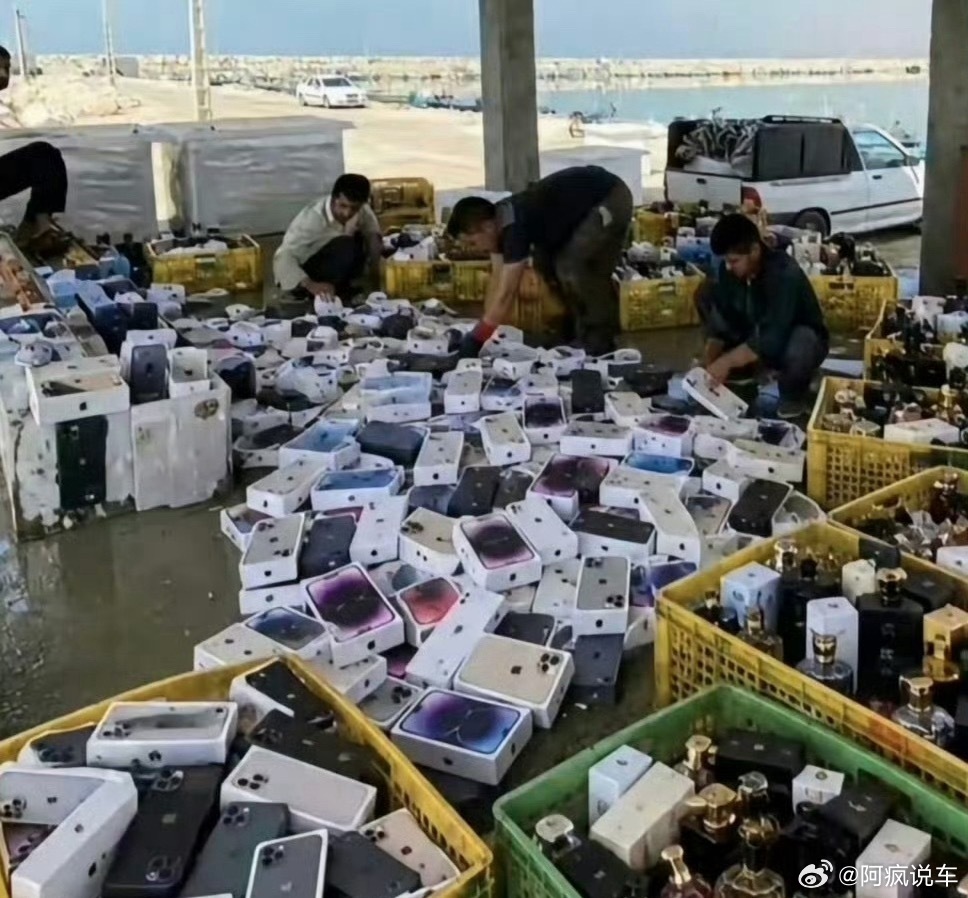
On October 14, the GFS Pride, a Singapore-flagged container ship, caught fire and sank in the Strait of Hormuz. Chinese media, citing The Daily Telegraph, reported what happened next: fishermen in small boats moved in on cargo bobbing on the water — brand-new iPhones, French perfume — and hauled it ashore, where the catch went straight to impromptu beach markets. By October 17 the hashtag "cargo ship sinks, large numbers of iPhones floating on the sea" (货轮沉没大量iPhone漂浮海面) was sitting near the top of Baidu's hot-search board.
A shipping accident in the Persian Gulf would not normally touch China's gadget market. This one landed in the middle of the pre-sale frenzy for the iPhone Duo, Apple's first foldable, which the site covered at launch. Pre-orders opened on the evening of October 16 and sold out within a minute; delivery dates on official channels slipped to January 2027; and scalpers had been quoting extraordinary premiums — in mid-September, 58,000 yuan above list price for the top configuration, according to a roundup on Baidu's board (Baidu).
Then the ship went down, and the premium went with it. Within a day, the premium on the 1TB model had fallen to around 7,000 yuan, and by October 17 the business outlet Jiemian reported scalper buy-in prices down to about 2,500 yuan, with dealers concluding that spot supply was never as scarce as the queues implied (Jiemian). In the Chinese discussion, the salvage became almost immediately a parable about manufactured scarcity — a reminder that the scarcity was a story as much as a stock level.
The spectacle came with caveats, which Chinese posters were quick to supply. A widely shared roundup noted that some of the most dramatic salvage clips appeared to be AI-generated; that phones soaked in seawater fail quickly and carry no warranty; and that reselling salvaged, undeclared goods raises compliance problems of its own (post). Apple's customer-service line, contacted by the tech account Taiyi Keji, said the company had received no notice on the incident but that, if confirmed, the goods would be dealt with and would not re-enter the market (post). One post argued the phones were worth little more than parts: "Apple locks them the moment you activate them. Still — free is best." (不过,免费就是最好的。) (post)
The wreck itself is not fully accounted for. Accounts differ over whether the GFS Pride caught fire or struck a mine, and the strait remains genuinely dangerous: the secretary-general of the International Maritime Organization said this week that security around Hormuz keeps deteriorating, with six ships attacked in a single day at one point recently (Yicai).
Whether the GFS Pride's cargo had anything to do with the foldable's supply chain was, in the end, almost beside the point. What the episode punctured, dealers told Jiemian, was the belief that the queue outside the store measured real scarcity.