China and the EU Reach an Understanding on Car Trade, and Nine Statements of Support Follow Within Hours
The second China–EU trade consultation ended with a consensus on hybrid and electric car trade — and China's industry association plus eight major carmakers, from BYD to Great Wall, issued endorsement statements in a single day, as trade barriers push Chinese exporters toward building cars inside Europe instead.
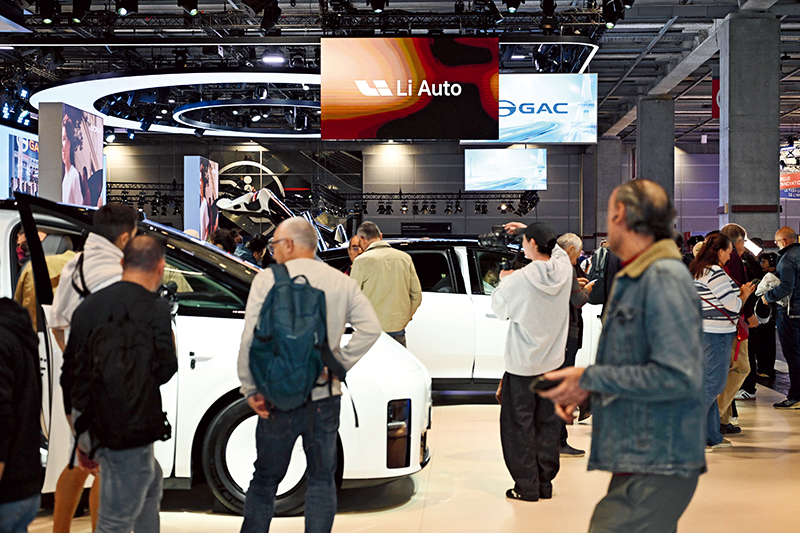
The statements went up within hours of each other, in the same careful language: China's auto industry association, followed by Leapmotor, Chery, Changan, Dongfeng, BYD, Geely Holding, GAC and Great Wall, each endorsing the outcome of a Beijing meeting most of the public had never heard of until the statements appeared. The meeting was the second session of the China–EU trade and investment consultation mechanism, and its result — a consensus on hybrid and electric vehicle trade — matters more than its boilerplate suggests. Eight carmakers and the industry association do not normally issue nine separate congratulations for a talking shop.
What was agreed, per the industry outlet Ijiwei's report, was that the two sides negotiated "on the principle of mutual respect and equal consultation" around hybrid and EV trade, and reached a consensus. Caixin's read on the substance is blunter: the understanding was reached "in a way consistent with WTO rules," and the deeper dynamic it addresses is that trade protection is now squeezing Chinese carmakers' direct exports to Europe so hard that it could force the industry to clear excess capacity — while the escape route, building factories in Europe, is itself "far from smooth."
The context is two years of friction. The EU's extra duties on Chinese-built electric cars remain the backdrop, and this site has tracked the squeeze from both ends: Beijing trimming the export tax rebate that underpinned the EV export boom, and a European critic's post about lookalike SUVs turning Chinese carmakers against each other over copying just as they fight for the same showroom space. A trade "understanding" (谅解) is diplomacy's middle grade — softer than an agreement, firmer than a conversation — and its immediate value is a truce line under the hybrid-and-EV file while both sides watch how it holds.
The choreography of the nine statements is itself information. Coordinated industry endorsements are how Chinese sectors signal alignment with a negotiation outcome — reassurance to Brussels that Beijing speaks for the industry, and to the industry that it should not expect to freelance. The open question the understanding leaves is the one Caixin's caption quietly poses: as direct-export barriers accumulate, the plan B is Chinese-owned factories on European soil, and nothing in Thursday's consensus guarantees that route gets easier. The next consultation session will be watched for whether the understanding survives contact with the tariffs it has not yet named.