A Day After Tesla's Flying Roadster, Wall Street Shrugs and China's EV Founders Applaud
The day after Tesla's Roadster leapt off the ground, JPMorgan and HSBC counted the years to production and the billions off Elon Musk's fortune, while NIO's Li Bin paid the demo the sincerest compliment a rival can — and China's car bloggers asked whether a 2028 promise is a product at all.
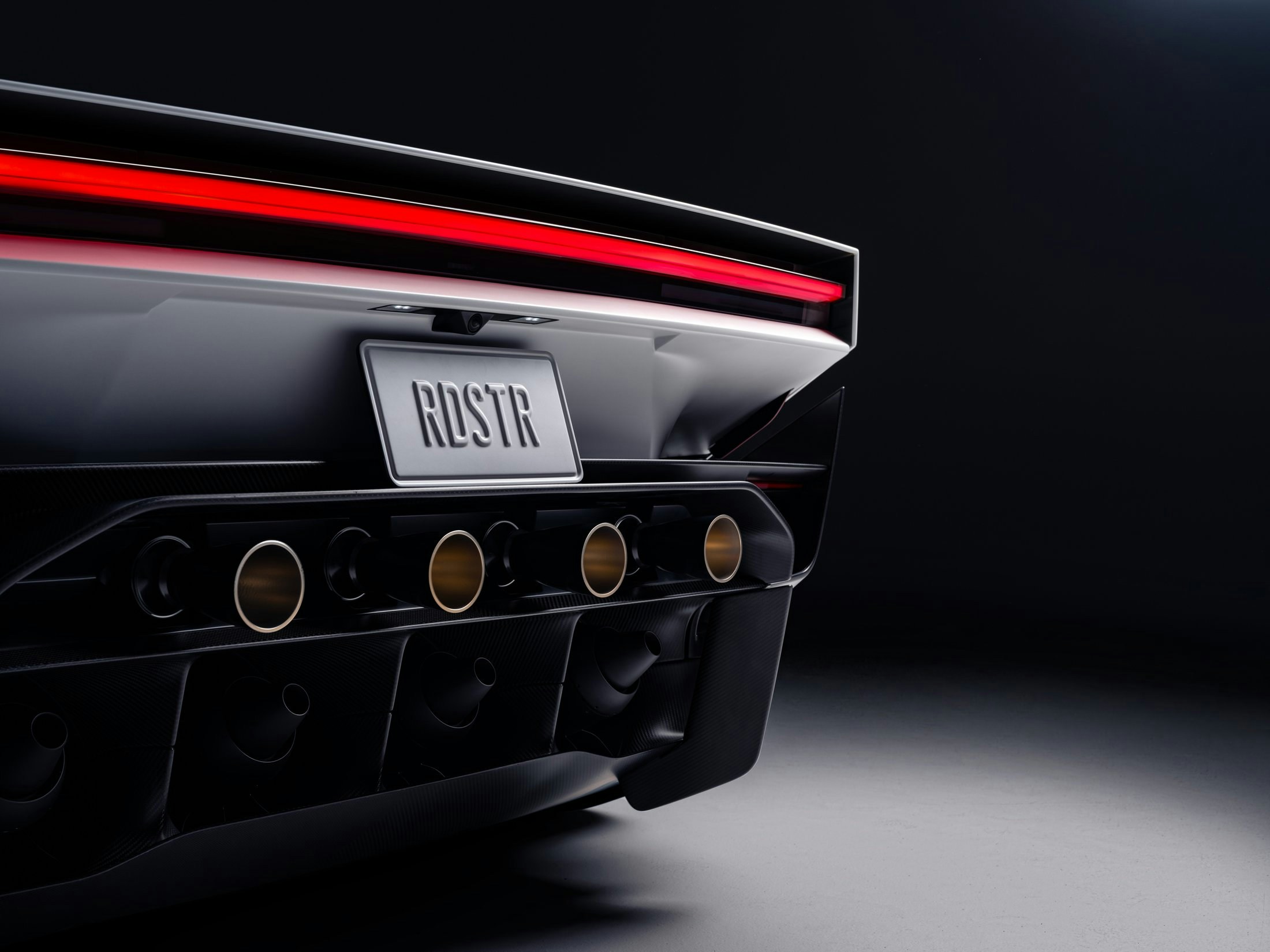
The flying car was the show; the morning after was the ledger. Tesla's second Roadster made its debut this week by leaping off the ground and somersaulting down a track, and by Friday the reactions had split along a line an outside reader can almost draw in advance: China's electric-car founders applauded, Wall Street did the math, and Weibo's car bloggers started posting physics explainers.
The math first. JPMorgan, which rates Tesla neutral, gave the ground-level read via analyst Rajat Gupta: the Roadster reflects deep collaboration between Tesla and SpaceX, but its production target is now 2028 — eight years after the 2020 delivery promised when the car was first unveiled in 2017 — and a halo car is unlikely to bring meaningful revenue in the short term. HSBC's senior global auto analyst took the same line, and the stock gave back its launch-day spike. The wealth ledger slid with it: by Bloomberg's billionaire index, Elon Musk's fortune shed roughly $79 billion in four trading days this week, dropping back under the trillion-dollar line it had just reclaimed, as both Tesla and SpaceX weakened in the broader tech selloff.
Then the applause. NIO's founder Li Bin shared the flight video on Weibo with the bluntest compliment a rival can pay: "Amazing! This is one thing we genuinely don't have — credit to Tesla" (太厉害了!这个我们真没有,为特斯拉点赞). XPeng's He Xiaopeng, whose own company has spent years developing flying cars, also weighed in with praise. The contrast beneath the compliments is the real story: while Tesla demos flight with rockets and fans, China's flying-car makers are quietly advancing along different type-certification routes toward aircraft that must actually carry passengers. The Roadster, for its part, requires a ¥332,000 reservation deposit — about US$47,000 — and a wait to 2028.
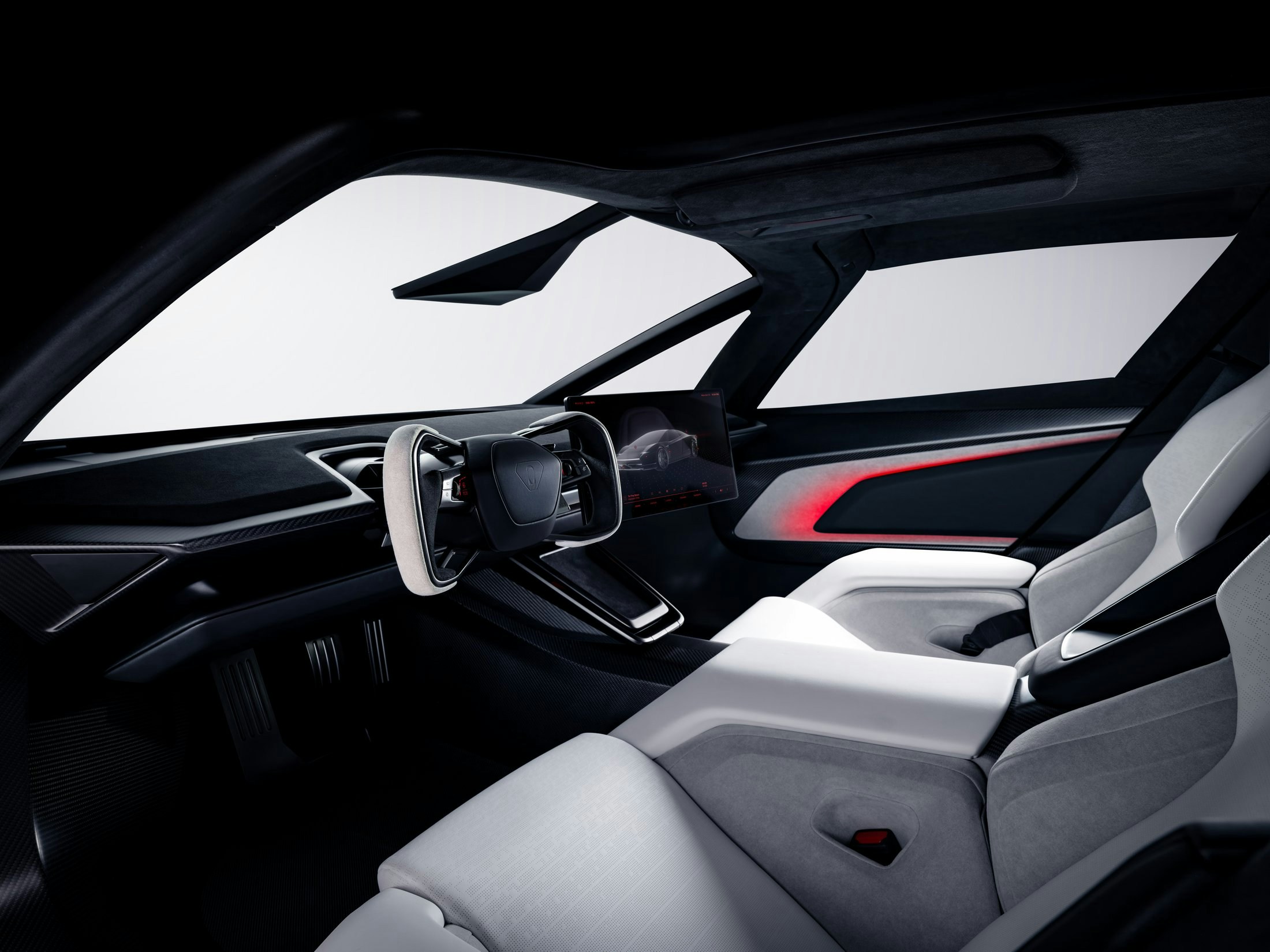
Weibo's verdict was livelier than Wall Street's. One user posted a hands-on demonstration of "why the Roadster sticks to the road," walking through the physics of the fans-and-thrusters system for anyone assuming the demo was camera tricks. A car reviewer struck the balance that much of the Chinese debate landed on: credit the creativity and the engineering, "but look rationally at the engineering difficulty and its value — don't get fooled lame" (别被忽悠瘸了), a phrase borrowed from a famous comedy sketch about con men who sell crutches to the people they have convinced they cannot walk.
Whether the car can fly is settled. What the Chinese car world is actually debating is whether a 2028 promise, made by a company that promised 2020, is a product at all — or a very expensive stock-market prop with a ¥332,000 deposit attached.