Xi Jinping Reiterates Commitment to Tibet’s ‘Snowy Plateau,’ Tying Development, Stability, and Ecology to Party Leadership
The Chinese Communist Party’s top leader has repeatedly underscored his personal concern for the high‑altitude lands of the Tibetan plateau – a region often described in official rhetoric as the “snowy plateau” – and for the people who call it home. In English, the sentiment is captured by the phrase “The General Secretary has always cared about the snowy plateau and is deeply concerned about the Tibetan people,” a line that has become a staple of state media and a rallying point on Chinese social platforms.
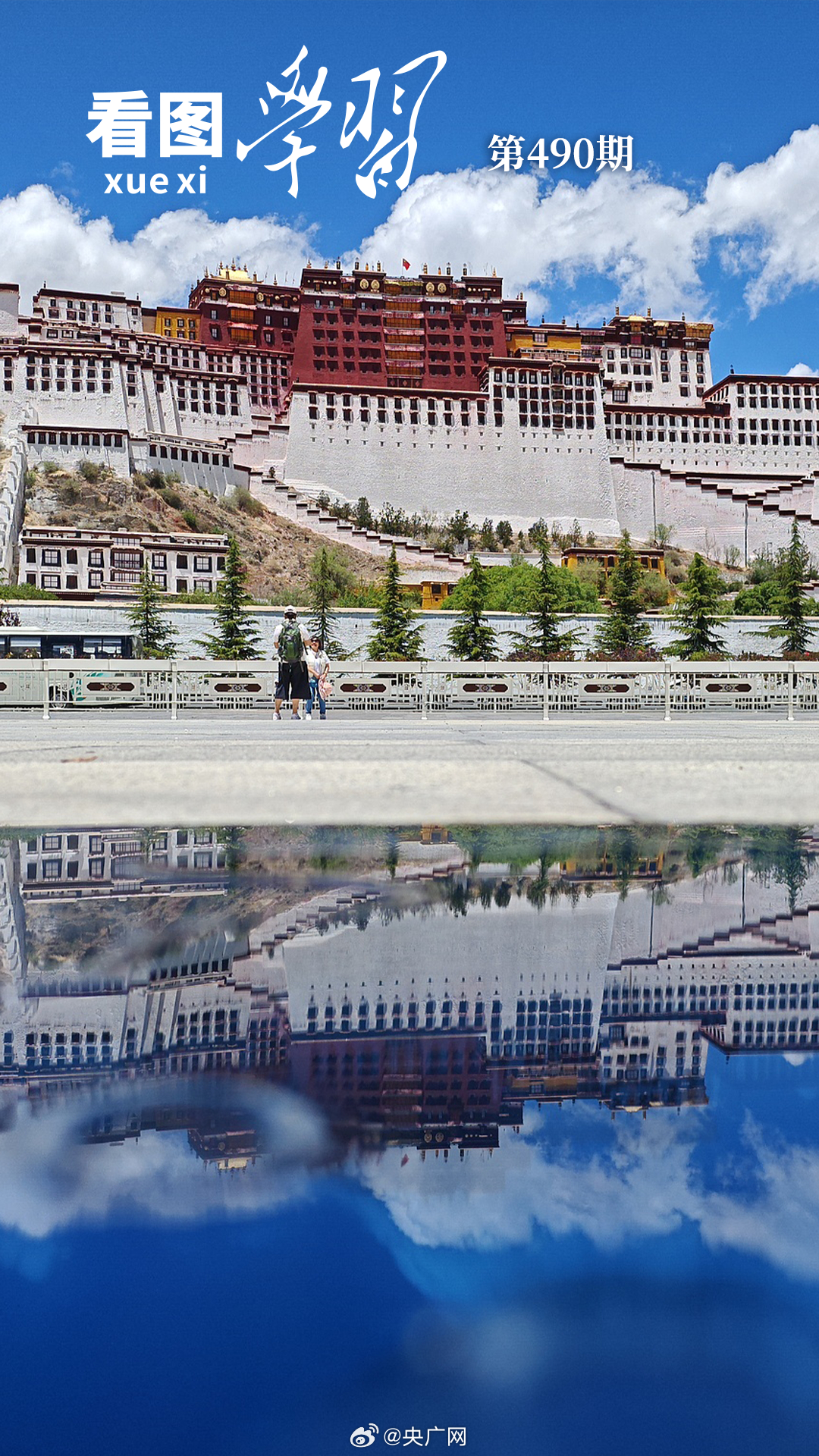
At the centre of this narrative is Xi Jinping, who, as General Secretary of the Communist Party, President of the People’s Republic of China, and Chairman of the Central Military Commission, has framed Tibet’s development as a cornerstone of the nation’s broader push toward “modern socialist” prosperity. His visits and statements over the past decade have mapped a trajectory that blends political stability, economic growth, ecological stewardship and border security – the four “major tasks” that define the Party’s current blueprint for the region.
The story of Xi’s engagement with Tibet can be traced back to the early 2000s, when the central government launched an ambitious campaign to eradicate extreme poverty across the country. By 2014, the Party’s leadership had already positioned Tibet as a key showcase of this effort, emphasizing the need to lift remote, high‑altitude communities out of hardship. Two years later, in August 2015, Xi led a high‑level delegation to Lhasa to mark the 60th anniversary of the Tibet Autonomous Region’s establishment. The visit, broadcast in state‑run outlets, highlighted the “remarkable changes” the region had undergone – from infrastructure upgrades to improvements in education and health – and presented the milestone as concrete proof that the Party’s policies were bearing fruit.
The next major anniversary came in July 2021, when China celebrated the 70th year since the so‑called “peaceful liberation” of Tibet. That pilgrimage was Xi’s first inspection trip after the Party’s centenary, and it reinforced the long‑standing message that the plateau’s stability and development remain directly tied to national unity. In his remarks, Xi called for “strengthening Party leadership, deepening ethnic unity and ensuring social stability,” while also stressing the need to protect the fragile environment that characterises the region’s high‑mountain ecosystems.
In the weeks that followed, a fresh wave of official articles and social‑media posts renewed the same themes. Headlines across Chinese news portals reiterated that Xi “always cares for the snowy plateau and the Tibetan people,” and they highlighted his directive to focus on the four priority areas: stability, development, ecology, and border strengthening. The emphasis on “border strengthening” reflects Beijing’s strategic concerns about the plateau’s proximity to India, Nepal and other neighboring states. Meanwhile, the ecological dimension underscores the recognition that the Tibetan plateau – the source of the world’s major rivers – is especially vulnerable to climate change and over‑exploitation.
The impact of this political messaging extends beyond rhetoric. Massive infrastructure projects have been launched under the banner of “caring” for Tibet. New highways, rail lines and airports have linked remote valleys to the national grid, fostering a surge in construction, logistics and tourism activities. The Lhasa‑Shigatse railway, which opened in 2021, and the ongoing Sichuan‑Tibet highway upgrades are cited as prime examples of how central investment translates into tangible economic opportunities for local residents.
At the same time, the government has promoted sectors that align with the region’s unique characteristics. Sustainable tourism, traditional Tibetan medicine, clean‑energy projects – especially hydropower and solar – and high‑altitude agriculture have received preferential policies and funding. Researchers from the Chinese Academy of Sciences, as well as provincial think‑tanks, have been enlisted to develop climate‑resilient crop varieties and to study the plateau’s role in the global climate system. These initiatives are presented as part of a “new era” of scientific and technological advancement that directly benefits local communities.
Social media in China offers a window into how the narrative is being received on the ground. A scan of recent posts on Weibo – the platform akin to Twitter – reveals an overwhelmingly positive tone. Users frequently cite the phrase “为西藏发展指明方向” (pointing the direction for Tibet’s development) and celebrate the “vibrant scene” of the past six decades. Posts from local tourism officials and cultural workers praise the integration of cultural heritage with tourism promotion, claiming that Xi’s guidance has opened doors for “showcasing Tibet’s unique charm.” While ecological protection does not dominate the conversation, references to “green development” and “protecting the plateau’s environment” appear alongside economic praise, suggesting a growing awareness of the delicate balance between growth and conservation.
The sentiment is uniformly supportive, with little evidence of dissent in the sampled posts. This homogeneity may reflect both the top‑down nature of Chinese media and the genuine appreciation of many Tibetans for the material improvements that have accompanied the region’s transition from “poverty alleviation” to a “moderately prosperous society.” The official narrative also frames these gains as steps toward “Chinese modernization” – a term that carries both economic and ideological weight in Beijing’s worldview.
From a governance perspective, the repeated emphasis on “Party leadership” and “Xi Jinping Thought” is intended to reinforce ideological cohesion. Cadres in the plateau are instructed to study the General Secretary’s speeches, while local party committees are urged to align their work with the central policy priorities outlined in the “Four Major Tasks.” This top‑down guidance seeks to cement Beijing’s authority, ensuring that the region’s development remains firmly tethered to the Party’s broader agenda.
In sum, the story of Xi Jinping’s ongoing engagement with Tibet is a multifaceted tapestry of political messaging, infrastructural investment, cultural promotion and ecological consideration. The phrase “The General Secretary has always cared about the snowy plateau and is deeply concerned about the Tibetan people” encapsulates a narrative that has been woven through decades of policy, reinforced by high‑profile visits, and amplified by a chorus of social‑media voices that celebrate the tangible outcomes of these policies. Whether viewed as a genuine expression of compassion or a strategic instrument of statecraft, the refrain has become a defining feature of how the Chinese leadership presents its relationship with one of its most remote and symbolically significant regions.