Xi and Putin Reaffirm Deepening Sino‑Russian Alliance at May 8 Summit in Moscow
Chinese President Xi Jinping and Russian President Vladimir Putin met in Moscow on May 8, 2025, reaffirming a partnership that has deepened steadily over the past decade and that Washington, Brussels and other Western capitals watch with increasing alarm. The two leaders, both permanent members of the United Nations Security Council, used the occasion to celebrate the victory over fascism in World War II and to underscore the “exemplary” nature of their bilateral ties – a relationship they described as a model of win‑win cooperation for major powers.
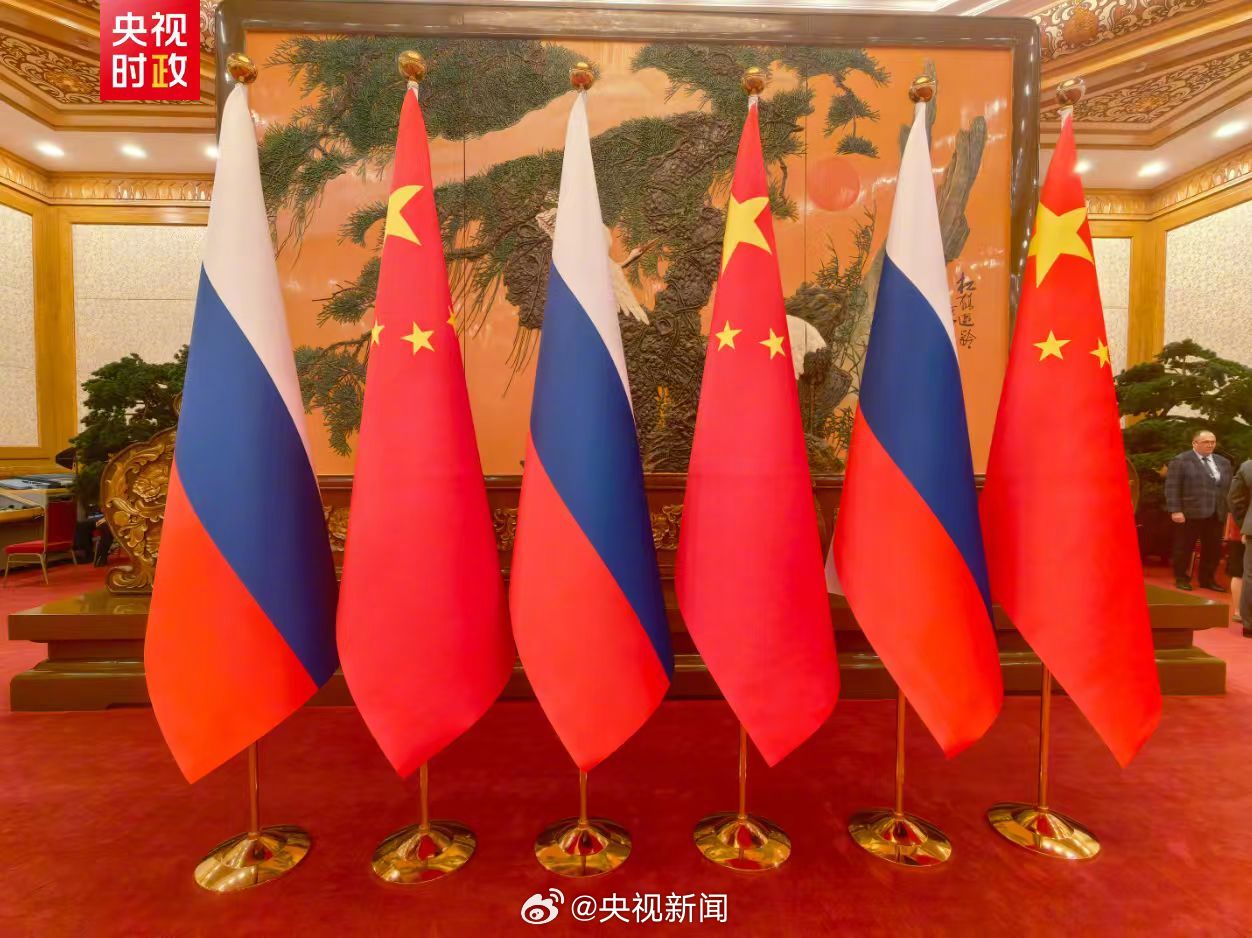
The timing of the talks was not accidental. In recent weeks, both capitals have faced a wave of diplomatic activity in multilateral forums such as the Shanghai Cooperation Organisation (SCO) and the BRICS bloc, and the leaders’ meeting in Moscow was the latest in a series of high‑level exchanges that have become almost weekly. The intensity of the dialogue reflects the strategic calculus of two countries that, despite sanctions and international pressure, are determined to coordinate their foreign, security and economic policies more closely than ever before.
The May 8 summit builds on a record of 42 head‑of‑state encounters between 2013 and 2023, a frequency that underscores the depth of mutual trust. In March 2023, Xi and Putin convened in Moscow to spell out the historical logic that drives their partnership, and in October 2024 they exchanged congratulatory messages to mark the 75th anniversary of diplomatic relations. Even before the pandemic, the two presidents highlighted the relevance of their 2001 Treaty of Good‑Neighbourly, Friendly Relations – a document that has been repeatedly refreshed to keep pace with new geopolitical realities. The latest meeting, therefore, is less an isolated event than a continuation of a long‑running, systematic coordination effort.
Energy was at the centre of the discussion. Both sides reiterated their commitment to expand crude oil and natural gas shipments, with Russia positioning itself as China’s primary source of hydrocarbons as sanctions tighten. Analysts note that the deepening of energy trade could reshape global markets, pushing down European demand for Russian fuel while bolstering Chinese energy security. Alongside oil and gas, the presidents pledged to widen cooperation in the Russian Far East, hinting at new infrastructure projects, logistics corridors and resource‑development initiatives that could open a swath of Siberian and Arctic territory to Chinese capital. For multinational energy firms, the signal is clear: the Sino‑Russian axis is set to become a major conduit for the next wave of global energy flows.
Trade figures already suggest the partnership is delivering concrete results. Recent data show that bilateral commerce has surpassed the volume targets set by the two heads of state, driven by a surge in agricultural products, high‑tech components and manufactured goods. The two nations have also signalled a willingness to push back against what they term “unfair restrictions” imposed by the World Trade Organization’s rules‑based system, a phrasing that hints at coordinated efforts to sidestep Western‑led technology embargoes. While no specific agreements on semiconductors or aerospace were announced, observers believe the groundwork is being laid for joint R&D programmes that could reduce reliance on U.S. and European supply chains.
Beyond the boardroom, the Xi‑Putin meeting carried a strong symbolic charge. By standing together at a commemorative ceremony for the Allied victory, the two leaders reminded the world that they are both heirs to the great powers that shaped the post‑war order. Their shared status as permanent Security Council members, they argued, obliges them to protect the “authority of international law” and to oppose “unilateralism and hegemony”. The rhetoric was unmistakably aimed at the United States, whose recent threats of secondary sanctions against countries buying Russian energy have intensified the diplomatic duel.
Cultural and people‑to‑people ties also received a boost. Xi called for expanded cooperation in education, tourism, youth exchanges and media, a push that could see an uptick in Chinese students heading to Russian universities and vice‑versa. Such soft‑power initiatives are intended to deepen mutual understanding and generate a constituency that views the partnership as a long‑lasting friendship rather strategic convenience. Nevertheless, the narrative wars that accompany any deepening alliance are likely to intensify, as each side’s state‑run media double down on portrayals of Western hostility and the virtues of the Sino‑Russian model.
The political reverberations are already palpable. The summit reaffirmed a “new type of major‑neighbor relationship” built on non‑interference and mutual benefit, a principle that both capitals have invoked repeatedly when condemning sanctions, arms sales to third‑world states or any perceived meddling in domestic affairs. In practical terms, this means tighter coordination at the United Nations, the SCO, BRICS and other multilateral platforms, where the two countries can jointly advance a multipolar agenda that challenges the liberal international order championed by Washington and its allies.
For Western policymakers, the implications are double‑edged. On one hand, the robust partnership offers an avenue for engagement on global issues such as climate change, pandemic response and counter‑terrorism, provided both parties are willing to negotiate on a basis of equals. On the other hand, the alignment amplifies the geopolitical contest, especially as the United States contemplates further measures to curb Russia’s energy exports and to restrict China’s access to advanced technology. The more intertwined the two economies become, the more difficult it will be for the West to isolate either nation without incurring collateral damage to its own interests.
In sum, the May 8 2025 China‑Russia presidential talks were not merely a diplomatic courtesy but a clear statement of intent. By showcasing a partnership that spans energy, trade, technology, culture and security, Xi and Putin have signalled to their domestic audiences and to the world that their bilateral relationship is moving from “strategic cooperation” to an entrenched, systemic alliance. Whether this deepening will translate into greater global stability or heightened tension depends largely on how other major powers respond – a question that will dominate diplomatic headlines in the weeks and months ahead.