China's Barbershops Are Closing by the Tens of Thousands. The 10-Yuan Quick Cut Is Why.
21,300 barbershops shut down or changed hands in the first quarter of 2026 alone, as the 10-yuan, 10-minute, no-appointment quick-cut chain model strips out the upselling that made a haircut a negotiation — and leaves behind a fight over who gets to cut women's hair at all.
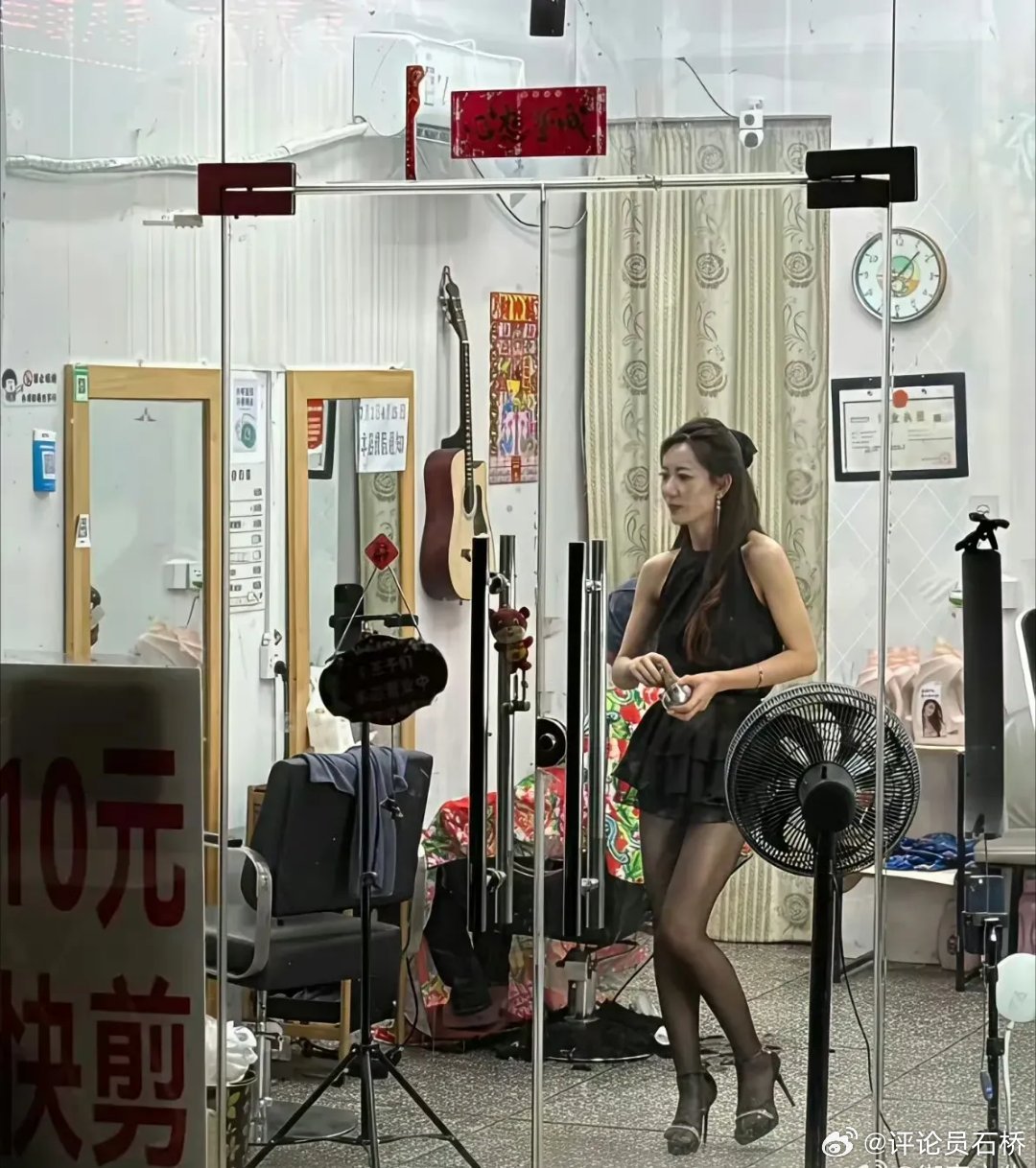
The numbers first: in the first three months of 2026, 21,300 barbershops across China deregistered, shut down or transferred ownership. The figure, from the China Hairdressing and Beauty Association and reported widely this week, has landed on Baidu's hot list as the country wakes up to what has happened to one of its most recession-proof service trades.
The story of why is also the story of what Chinese consumers have stopped tolerating. The middle-tier barbershop — the one with the "design director" title system, the card-based membership plans, the hair-wash that costs more than the cut — has spent a decade perfecting an experience built around upselling. A customer walks in for a 38-yuan trim and walks out having committed to a 1,000-yuan card and a 168-yuan "carbon-nourishing treatment." Chinese social media has been cataloguing this experience for years: the earlier site-wide debate over the barbershop hair wash — where customers balked at paying extra for a service that uses the same shampoo they use at home — was one front in the same war.
Into that vacuum has stepped the 10-yuan quick cut. No washing, no blow-dry, no perm or colour, no membership card, no conversation about your "hairline crisis." A 10-minute cut for 10 yuan, tip-free and sales-free. Reporters visiting quick-cut shops in Jinan found traditional salons responding by rolling out 20-to-40-yuan wash-cut-blow packages — a race to the bottom that has squeezed out the middle layer and left two kinds of survivors: the 10-yuan chains, and the old barbers whose craft, not upselling, is their whole pitch.
The economics explain the pattern. A quick-cut store earns roughly 5 yuan per head after costs, so volume is everything — which is why one shop's viral rule this week caught the country's attention: after 3:30 p.m., no women's hair. The explanation from the barber was blunt: a woman's cut takes 20 to 25 minutes; a man's takes six or seven. In a business where the profit lives in the speed of the next head, taking a slow customer at peak time costs money even if the chair sits empty. The rule has been called discriminatory, and it is — but it is also the purest expression of what the 10-yuan price actually buys.
The wider story is the hollowing-out of county-town services. The association's numbers point to a wave of closures concentrated in smaller cities, where population decline and shrinking disposable income have hit service trades first. What is replacing the closed shops is not a better version of the old barbershop but a stripped-down, self-service model that treats the haircut as a commodity — a logic Chinese consumers have applied to everything from budget gyms to convenience-store coffee.
Whether there is room for both models — the 10-yuan commodity cut and the craft barber who charges 68 yuan because he can actually cut — is the open question. This week's numbers suggest the middle has already answered it.