An Elderly Mother Spent 220,000 Yuan on Short Dramas, One 39.9-Yuan Charge at a Time
A Guangzhou man found his mother in Xinjiang had spent a lifetime's savings — 220,000 yuan in micro-charges — on China's short dramas. The case has become the national emblem of an industry quietly billing its oldest audience.
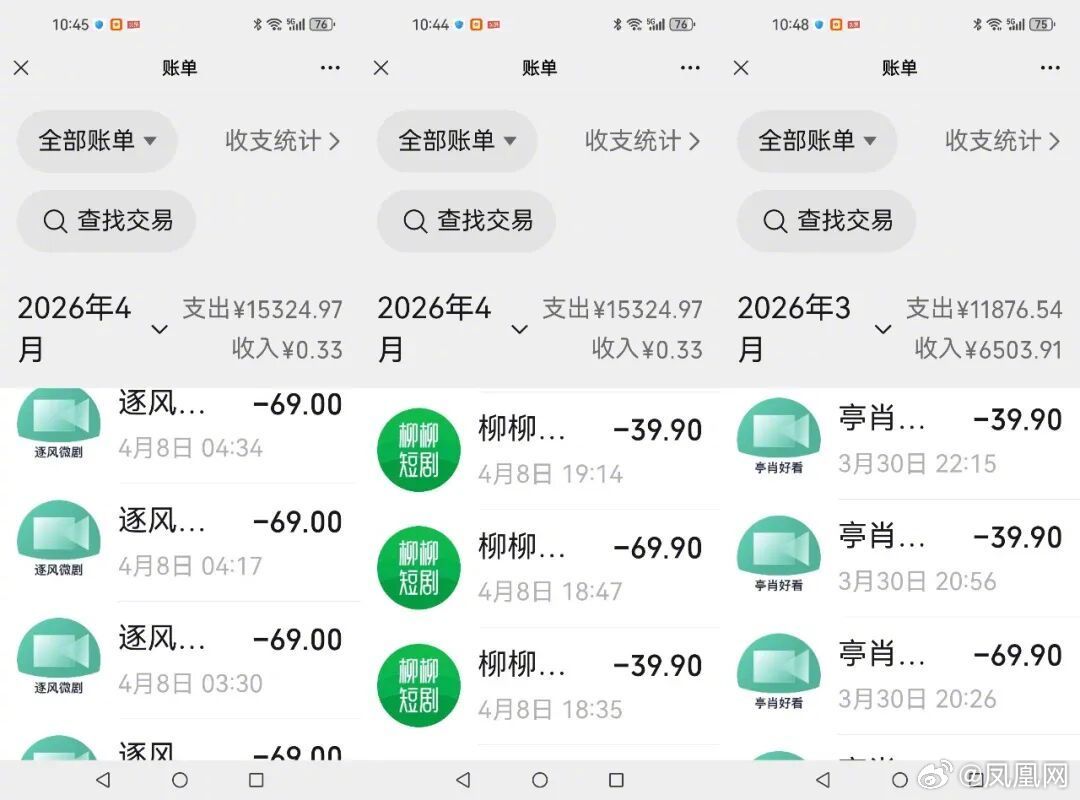
The discovery came, as these things do, during a renovation. A man surnamed Ji, who works in Guangzhou while his parents live in their hometown in Xinjiang, knew his mother watched short dramas on her phone and assumed they were free. When the family needed money to fix up the house, he opened her WeChat payment history and found his answer: rows of small charges — 29.9 yuan, 39.9 yuan, 69.9 yuan — repeated so many times they totalled 220,000 yuan, more than 30,000 US dollars drained from a retiree's savings one micro-payment at a time. The China News Weekly report that put the case on the front pages notes one charge of 39.9 yuan was paid 941 times.
Nothing about the arithmetic required fraud in the everyday sense. Short dramas — the vertical, minute-long serials that have become China's dominant phone entertainment — are free to start and engineered to cliff-hang: you finish episode twelve because the wedding ended on a kidnapping. The unlock fee is small. The episode after that is another cliff. For younger viewers the pattern is a familiar tax on impatience; for viewers in their seventies and eighties, often alone, it can run for months before anyone notices. Ji's mother, the report notes, has Alzheimer's disease.
She is far from alone in the demographic. QuestMobile's 2026 industry report, cited in the coverage, found that people over 51 make up more than 31 percent of the WeChat mini-program users watching short dramas, and the same report counts a substantial over-50 audience on the standalone drama apps. The industry has already retired one of its more predatory billing tricks — the auto-renewing "coins" that platforms once defaulted users into, as we covered in October — and Ji, after six months of wrangling, recovered less than 10 percent of what his mother spent.
The story has landed because it reads as a double betrayal. The mother was frugal her entire life, as her generation's phrase has it — and the industry's business model was built, in part, on the fact that she would never check a bill. The Paper's editorial on the case calls it precisely that: an industry harvesting its oldest and least protected audience, where the victim's confusion is not a bug but the revenue. The episode, and our earlier coverage of the same industry, point at the unresolved question: China has rules for what a short drama may charge, and no rule for how many times.