How a 2006 Friendship Made 'Li Na' China's Favorite Way to End a Sentence
A Mango TV reunion show has turned former Super Girl contestants Xu Fei and Li Na into a national meme: append 'Li Na' to any sentence and it becomes a confession. Brands, lawyers and stock watchers are all along for the ride.
The sentence that started it is four words long: "我画地为牢,厉娜" — "I've drawn a prison around myself, Li Na." Xu Fei said it on Mango TV's reunion show "Hou Hui You Qi" (后会友期), which brought back contestants from the 2006 season of Super Girl, the phone-voted singing competition whose 2005 breakout made its contestants famous nationwide. The line, a heavy-hearted confession Xu Fei addressed to her fellow contestant Li Na, now ends thousands of Chinese sentences every day: "I got off work, Li Na." "I'm staring at the wall, Li Na." One fan posted that the suffix has become so reflexive that "any sentence, once you add Li Na, the emotion just maxes out."
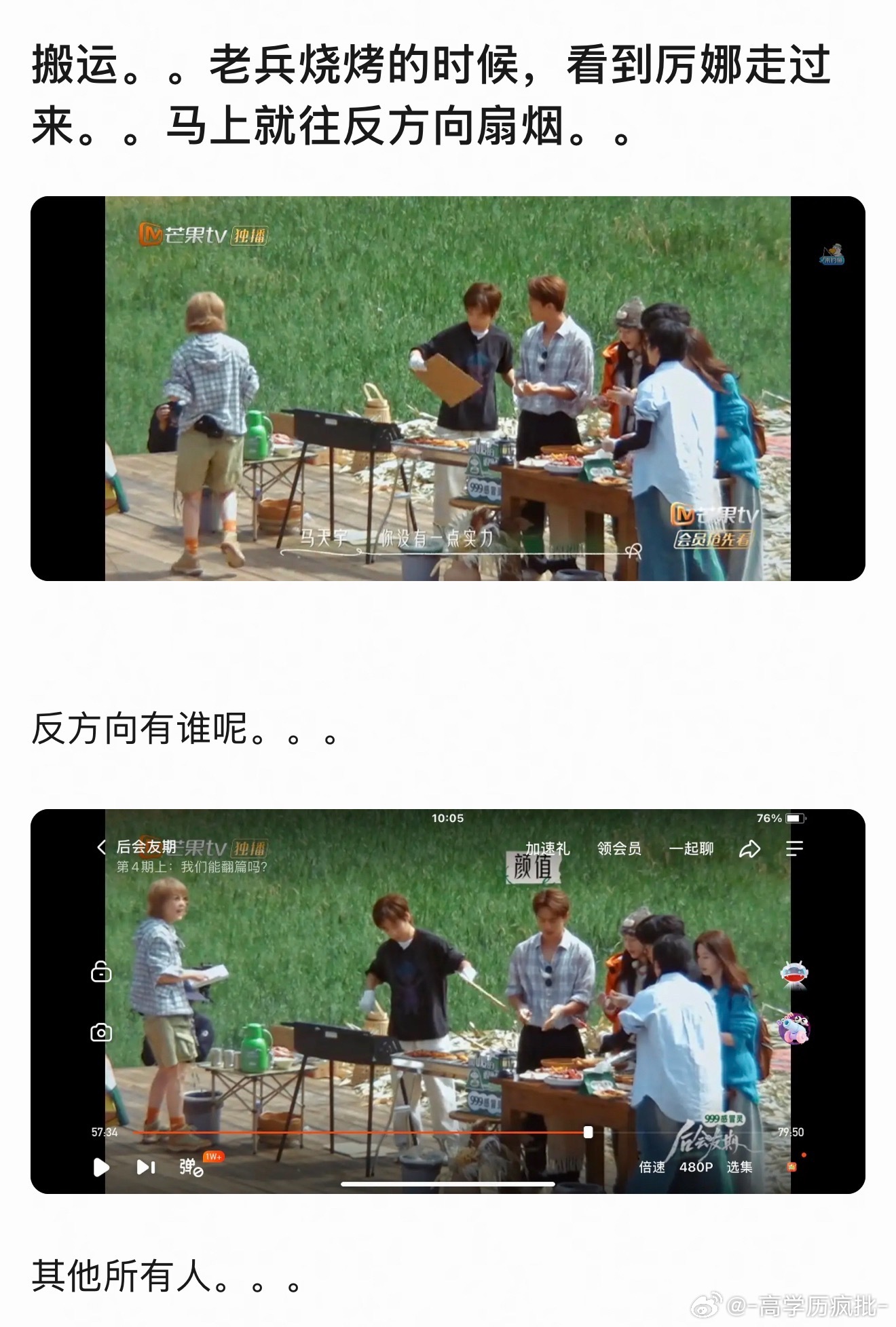
The reason the meme works is the relationship behind it. Xu Fei and Li Na's history is two decades long, and the show has been surfacing it piece by piece. In one clip, viewers caught Xu Fei fanning cigarette smoke deliberately away from Li Na as she approached — while everyone else at the barbecue got the full dose. A fan's caption did the cultural math for her: "Below Li Na, all are equal." Then another scrap of evidence went viral: a group photo from a 2019 reunion of the old Super Girl cohort, the single gathering Xu Fei attended that year — the year Li Na went through a breakup. Commenters read it as twenty-year-old loyalty, kept quiet the whole time.
None of it is choreographed, and that is precisely its value. Mango TV has been mining its archive of 2006-era relationships for several seasons, and as The Paper's analysis of the phenomenon notes, the "Li Na" suffix has become the show's most exportable artifact — a punctuation mark that turns anything into a declaration of tangled, long-haul affection. Chinese internet slang usually lives for weeks; this one is riding a twenty-year backstory that cannot be manufactured.
The money followed fast. Domestic reports trace a wave of brands appending "Li Na" to their ad copy, a snack brand reporting a sales bump from the association, and Mango's parent company gaining ground on the stock market on the back of the show. Lawyers have begun to draw the lines: a two-character suffix borrowed from a public personality is not a copyright problem, but cutting the show's footage into ads or selling products under her name without her consent is another matter.
For an international reader the mechanics are easy to miss and worth spelling out. "Super Girl" 2006 was a generational event — a mass phone-voted TV contest that defined a generation of Chinese pop — and its contestants are now in their forties, the exact age of the platform's most active users. The meme is funny, but the reason it landed is that a slice of the audience has watched these two women's friendship age along with them, one reunion at a time.