Chinese AI Dramas Are Being Pirated to Korea With Korean Voiceovers, and Viewers Can't Always Tell
Unofficial Korean-dubbed versions of China's AI-generated short dramas are spreading on TikTok and YouTube, winning Korean audiences who sometimes mistake them for local productions — and posing a copyright problem their makers can't easily fight.
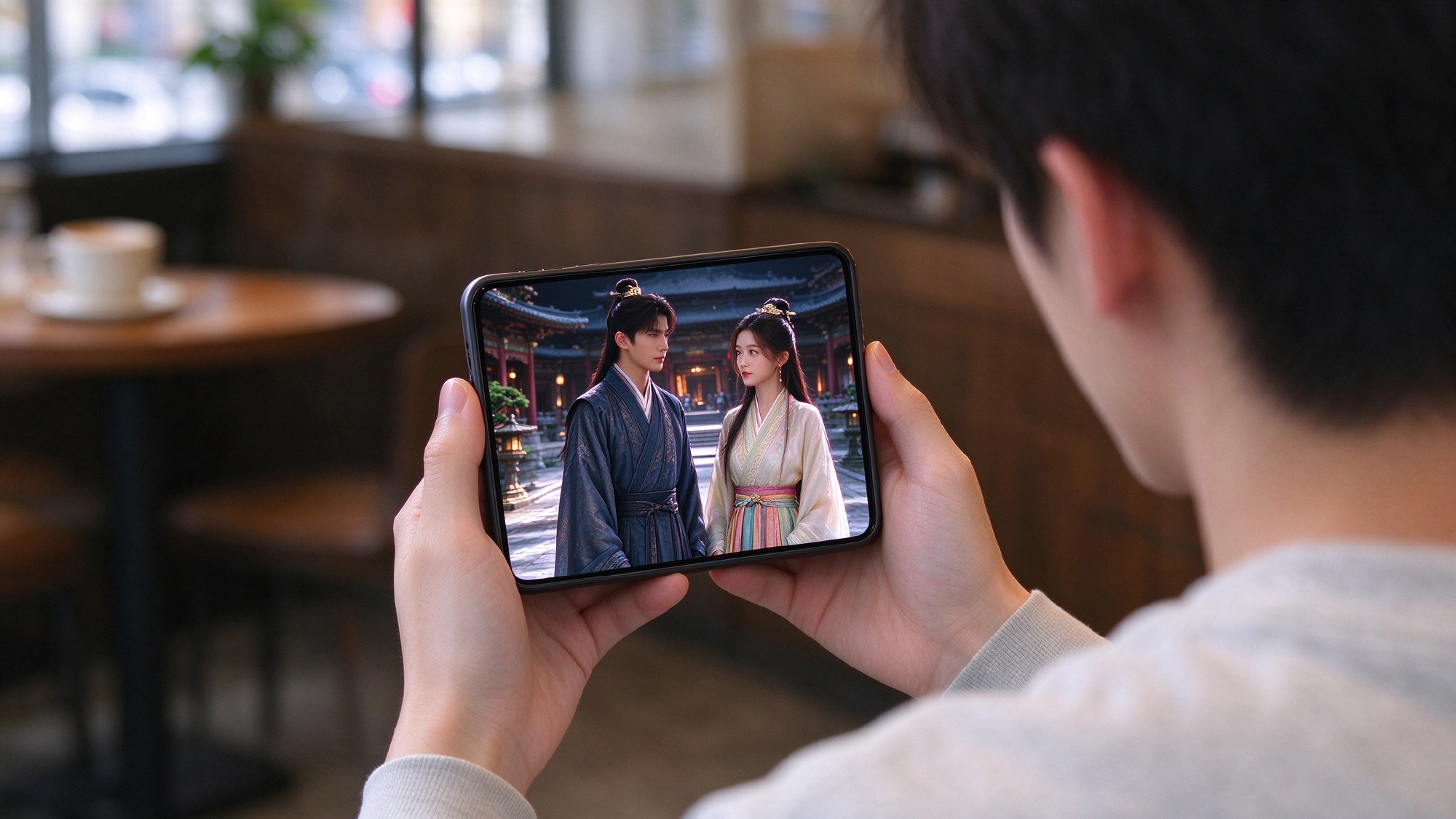
A trend that began as a brag has turned into a copyright complaint. On Weibo, one user posted a clip of a Chinese AI-generated short drama that had made its way to overseas platforms — same story, new Korean subtitles and voiceover, with stray lines of the original Chinese audio still bleeding through where the re-dub missed a beat. "The AI short-drama wave has blown all the way to Korea," the post concludes.
The trade has scale. A tech outlet's summary of the phenomenon, which trended on November 6, describes unauthorized Korean-dubbed versions of Chinese AI dramas circulating on TikTok and YouTube, drawing large Korean audiences — some of whom assume they are watching Korean-made shows.
For China's short-drama industry this is a milestone with an asterisk. The format — vertical, episode-length, AI-assisted productions that cost a fraction of a traditional drama — has spent the past year conquering audiences at home and in Southeast Asia, so much so that the industry's English name "duanju" entered the language as a coinage in its own right, as we covered earlier this week. Being pirated into Korea, complete with professional-sounding dubs, is backhanded proof that the product now has foreign demand worth stealing.
The problem is that nobody involved is getting paid, and the remedies are weak. The rights-holders' complaint, as it is relayed in the trending discussion, is that cross-border takedowns are slow and proving infringement in another jurisdiction is expensive relative to what a short drama earns; meanwhile the pirate channels monetize the borrowed catalogue. There is a second, quieter grievance: the dubs strip context. A drama's hanfu costumes and period settings arrive in Korean feeds with no indication of where the story comes from, which fans read as erasing the cultural origin along with the copyright line — a sensitive point in a country where "whose culture is it" arguments over costuming have flared before.
The industry's answer, for now, is to do officially what the pirates are doing unofficially. Chinese platforms have been pushing licensed localization of duanju into overseas markets; the piracy wave is, in effect, a market-research report delivered for free. The open question is whether the authorized version arrives in Korea before viewers decide the unauthorized one is simply Korean.