China Begins the Shift to Selling Flats Only When They Are Built
Two weeks after China's housing ministries rewrote the country's sales rules, land auctions in Xiamen, Lishui and Guangzhou already require finished-home sales — the clearest sign yet that the pre-sale model behind China's unfinished-tower disasters is being phased out.
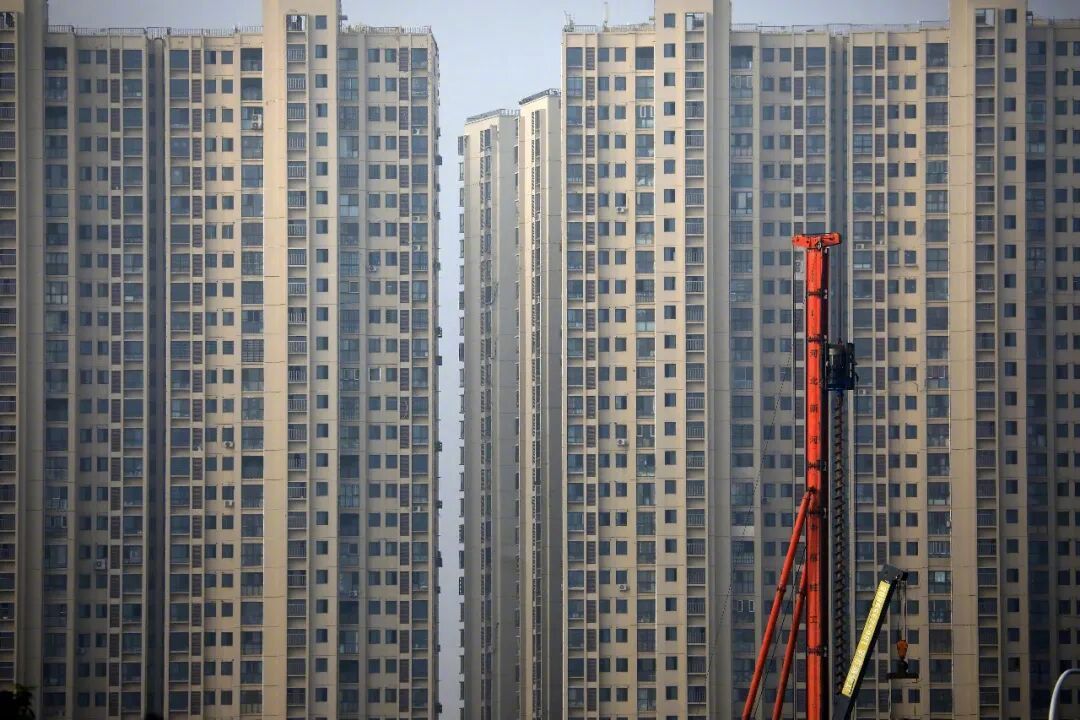
Two weeks after China's housing ministries issued the most consequential rewrite of the country's property-sales rules in decades, the ground is already moving. New land auctions in Lishui and Xiamen now require flats to be sold only when finished, and Guangzhou completed its first such sale the day the policy came out — early evidence that the pre-sale model that built modern Chinese cities, and stranded a generation of buyers in unfinished towers, is being phased out.
The August 28 notice from the housing, natural-resources and financial regulators stops short of abolishing pre-sales outright, but its language was blunt: the system of selling homes before they exist, the three ministries said, "no longer suits the new stage of market development." Pre-sales built China's property boom — buyers paid for concrete frames years before occupancy, giving developers cheap float to build the next tower — but they also produced the industry's defining disaster: families servicing mortgages on towers that were never finished.
Under the new rules, any project sold off-plan must have its main structures topped out before sales begin, and every down payment and mortgage must sit in a supervised escrow account that unlocks only after inspection and utility connections. A developer that fails to deliver must refund the buyer with compensation. Those provisions directly target the mechanism behind the unfinished-tower protests of recent years; as the site covered when the overhaul was announced, the same document shortened and capped mortgage terms as part of the same rethink.
The economics of the transition are punishing, at least on paper. A CITIC Securities research note estimated that a typical project's internal rate of return falls from 15.8 percent under pre-sale financing to 3.6 percent when flats are sold complete — which is precisely the point. Selling finished homes forces developers to finance construction themselves, ending the model in which ordinary households unknowingly lent money to leveraged builders. The same note expects land sales to contract short-term, and bad assets to be worked out faster.
What it means for buyers is the other half of the argument. Several analysts quoted by The Paper's report on the rollout argue that finished-home sales will not raise overall prices — supply and demand still set the market, and even strong second-tier cities have seen prices halve this year — while the most confident claim is narrower: that in core cities, where buyers can actually absorb the change, prices may stabilise first.
The deeper shift is cultural as much as financial. Pre-selling taught three decades of Chinese buyers to purchase homes from renderings and scale models; theescrow rules and the spreading completed-sale requirement tell them to wait for the keys. For the families who spent years paying for towers that never rose, that wait is the point.