Beijing Rejects US Accusation That Chinese AI Firms Distilled American Models at 'Industrial Scale'
Beijing has dismissed a joint NSA-FBI-CISA advisory accusing Chinese AI firms including DeepSeek and Alibaba of distilling American models at industrial scale, calling distillation a neutral, universal practice — the sharpest official response yet in the AI fight between the two countries.
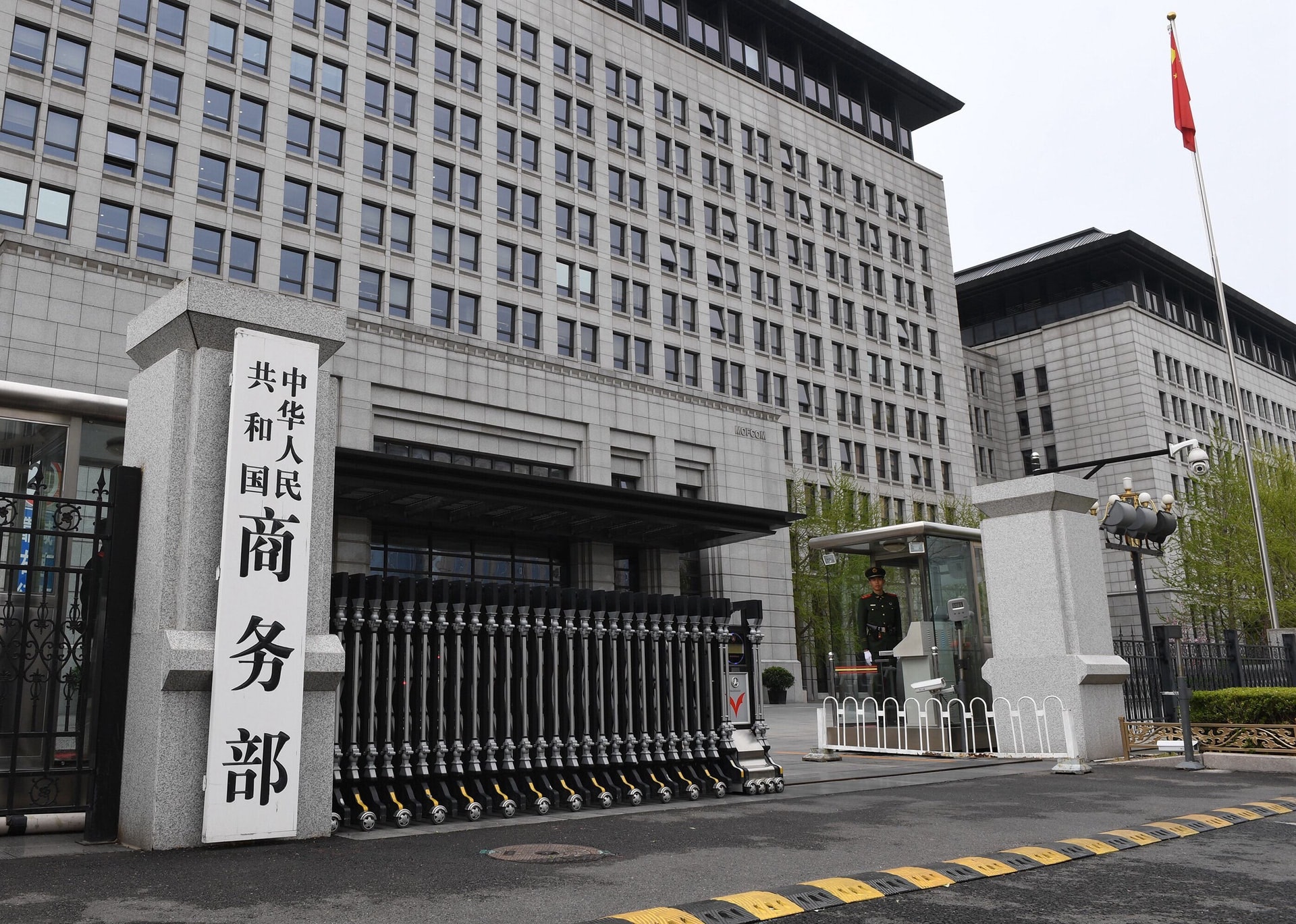
China's Ministry of Commerce has rejected a joint advisory by three US security agencies that accused Chinese AI companies of extracting capabilities from American frontier models at "industrial scale," calling the charge baseless and an attempt to turn a routine engineering practice into a geopolitical weapon.
The advisory, issued on September 8 by the National Security Agency, the FBI and the Cybersecurity and Infrastructure Security Agency, named DeepSeek, Moonshot AI, Alibaba, MiniMax and StepFun among firms it said had trained their own products on variants of US models — an accusation we covered when it landed. Beijing's formal answer came a day later, in a question-and-answer notice posted by the ministry: the claim is "without evidence and without basis in law," and distillation is "a normal technical and commercial practice" that, including by American firms, companies worldwide use.
Distillation, in AI terms, is the practice of training a smaller or newer model on the outputs of a larger one — a standard way the industry transfers capability, and one Apple, Google and OpenAI alike have used. The ministry argued that the US advisory applied a double standard, since Chinese open-source models are, in its words, already "serving American companies," and framed the advisory as "tech hegemony" and "compute monopoly" in the AI field.
State and financial media treated the response as the day's lead tech-politics story: it ran on CCTV's news grid, as a formal item from The Paper, and in first-brief positions in Yicai's evening roundup, while Taiwan's Central News Agency flagged the ministry's framing of the dispute as "politicising a technical and commercial question." The named companies have not responded individually; DeepSeek, the most prominent, spent the same week preparing a Star Market IPO and launching a new lightweight model, V4.1 Flash, according to reports citing 21st Century Business Herald.
The exchange marks a new front in a familiar fight. Washington has spent three years restricting what chips and model access reach China, and the advisory extends that logic from hardware to training method — suggesting, in effect, that even learning from American models' public outputs is now a security concern. Beijing's counter-position, that distillation is neutral and universal, is also a defence of its own open-source strategy, which has made Chinese models like DeepSeek's the starting point for developers worldwide, including in the US.
What neither side has offered is a mechanism: no court, standard or treaty exists to adjudicate where legitimate distillation ends and extraction begins. The ministry's statement closes with a demand the advisory does not answer — that the US stop "politicising and weaponising" normal technical practice. The American agencies' advisory, for its part, ended not with charges but with defensive measures for US companies. Between the two sits the industry actually building models, on both sides of the Pacific, which has distilled from everything in sight for a decade.