Denisovans Lived in China's Southwest 160,000 Years Ago, Two Nature Studies Confirm
Two Nature papers published Wednesday confirm Denisovan fossils — teeth, skull fragments and the species' first known forearm bone, 167,000–134,000 years old — from Bat Cave in Yunnan, turning a genetic ghost story into China's richest archaic-human site.
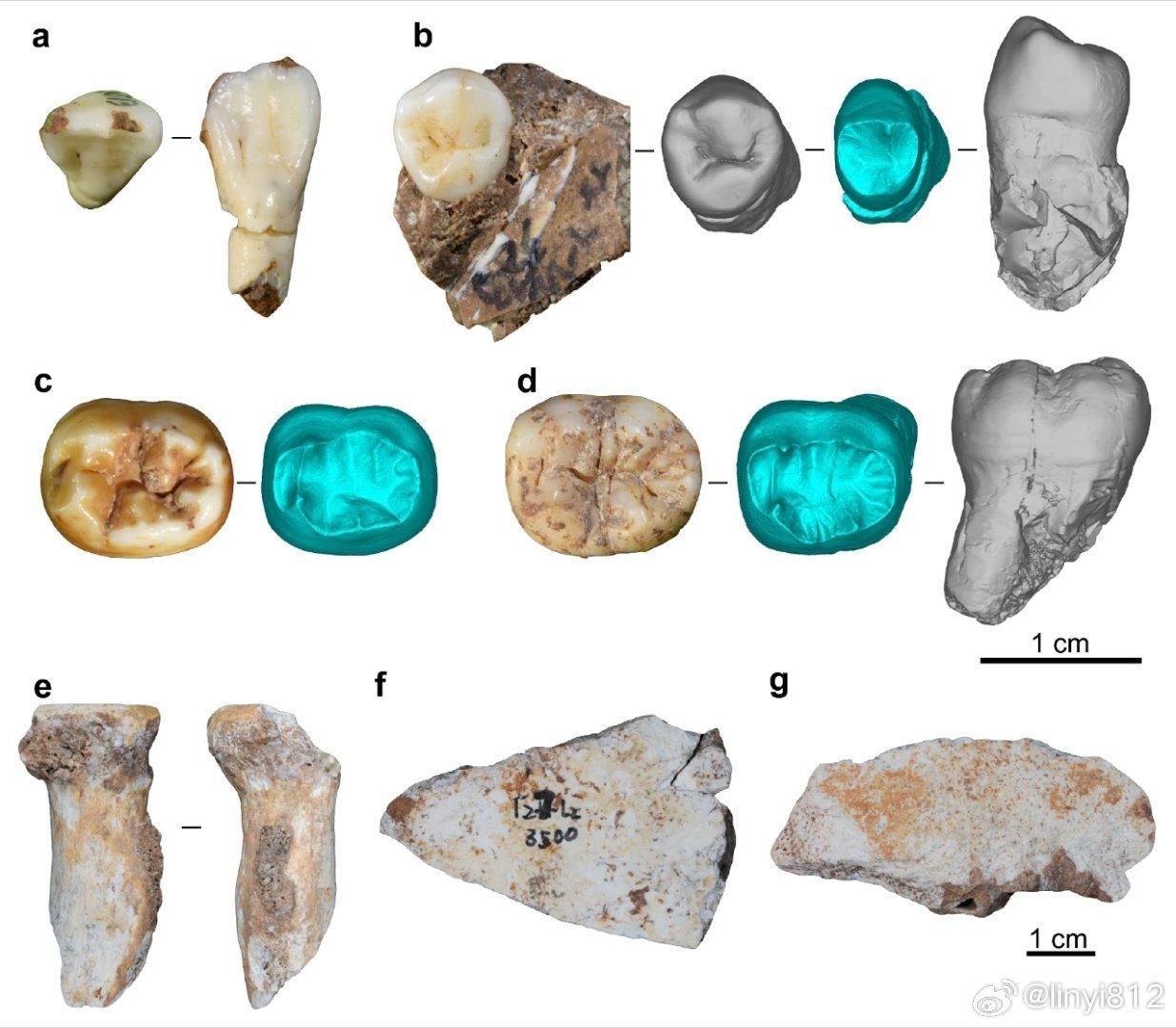
An adult's forearm bone, a child's teeth and a fragment of skull, all between 167,000 and 134,000 years old: those few fossils from a cave in Yunnan province have settled one of palaeoanthropology's running questions. Two studies published in Nature on September 9 confirm that Denisovans — the archaic human species first identified from a finger bone in a Siberian cave in 2010 — were living in southwest China, at a site called Bat Cave in the foothills of the Tibetan Plateau in Yunnan province.
Denisovans are known almost entirely from genetics: a cave in the Altai Mountains yielded DNA but only a handful of bones, and until now East Asia's physical record amounted to a jawbone from the Tibetan Plateau in Gansu and a few teeth from Laos and Taiwan. The new finds change that. Excavated from a six-metre-deep sequence in an 11-square-metre trench at 2,370 metres altitude, Bat Cave's ten cultural layers span some 120,000 years, with the human fossils clustered between 167,000 and 134,000 years ago. Researchers identified seven hominin fossils — four teeth, two skull fragments and a near-complete radius, the first forearm bone of this species ever found.
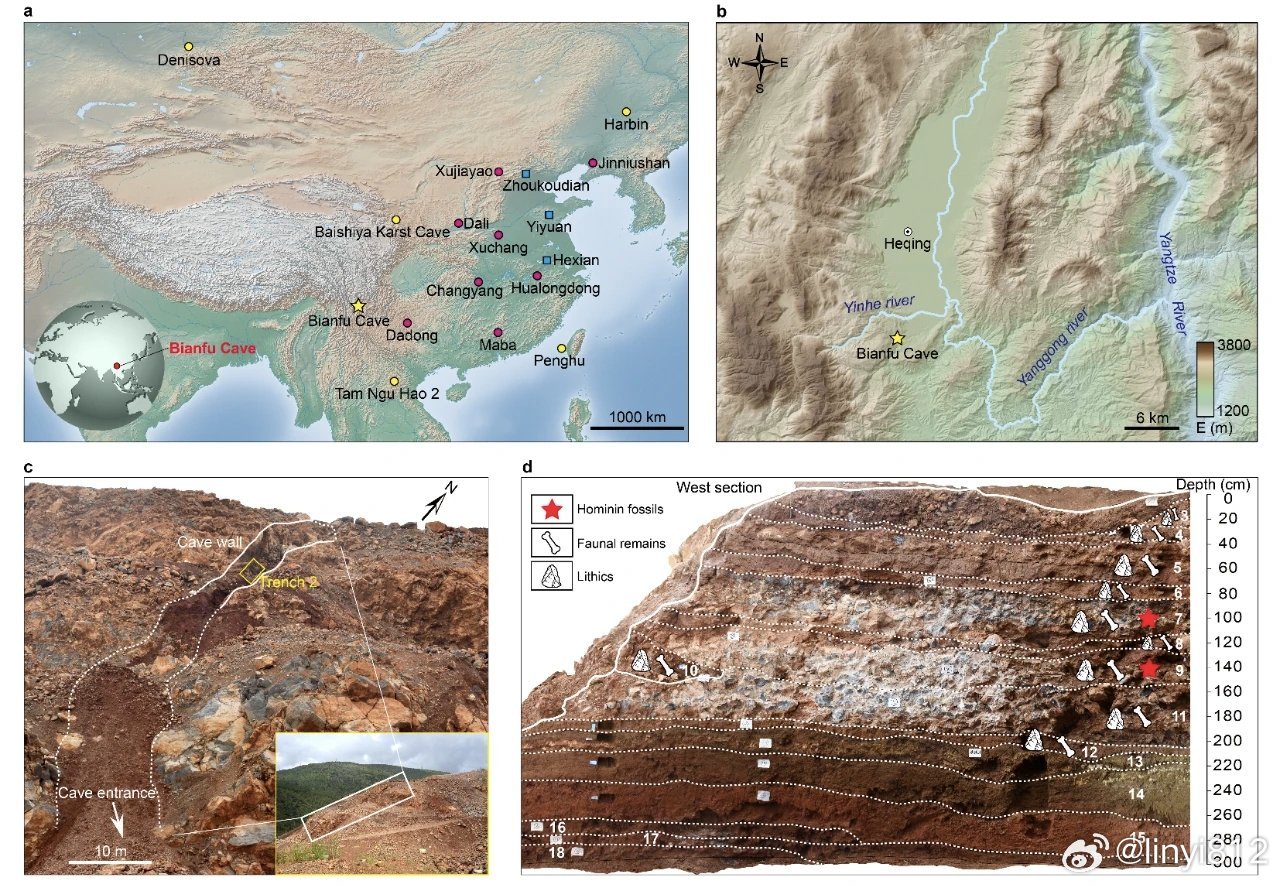
The site's chemistry preserved what bones usually cannot. Using ZooMS — a technique that reads collagen protein to sort otherwise unidentifiable bone fragments — the team spotted three human fossils among thousands of animal bones, then confirmed two teeth as male through enamel proteins. The molars show a "mosaic" of primitive and advanced traits that overlaps with, but differs from, the Gansu jawbone, suggesting Denisovans were a diverse, widespread population rather than a single uniform group. Stone and bone tools, and pollen showing they lived in conifer forest at the edge of the plateau, sketch how they hunted and foraged across an ice-age landscape.
State media carried the news on Wednesday morning as the clearest physical evidence yet that Denisovans ranged across eastern Asia — the first time their presence in China's southwest has been established as a dated, in-situ archaeological reality rather than a genetic inference.
It also completes a picture Chinese palaeontology has been assembling for years. The 2019 confirmation that a 160,000-year-old jawbone from the Tibetan Plateau belonged to a Denisovan made the species less a Siberian curiosity than a Eurasian one, a story popularised in China by science communicators; the Harbin skull nicknamed "dragon man," unveiled last year, is argued by some Chinese researchers to be Denisovan or a close relative. What Bat Cave adds is ordinary life: tools, meals, children's teeth — a population, not a specimen.
On Weibo, where the news arrived through science accounts rather than trending charts, readers lingered on the same detail the papers do: the teeth belonged to children aged five to twelve, and the radius to an adult. Somewhere between the celebrity charts and the phone launches on Wednesday's hot list, China's internet also found room — quietly — for its oldest residents.