38,000 Yuan for a Flat in Hegang, Then a Leaking Roof and a Lawsuit
A Jiangsu woman who bought a 60-square-metre flat in Hegang for 38,000 yuan — the price of a used car — found the roof leaking in multiple places after moving in, and is suing after her agent's viewing video skipped every damaged spot. The case has become China's most-searched cautionary tale about buying a home remotely in the low-price cities that young people dream of retiring to.
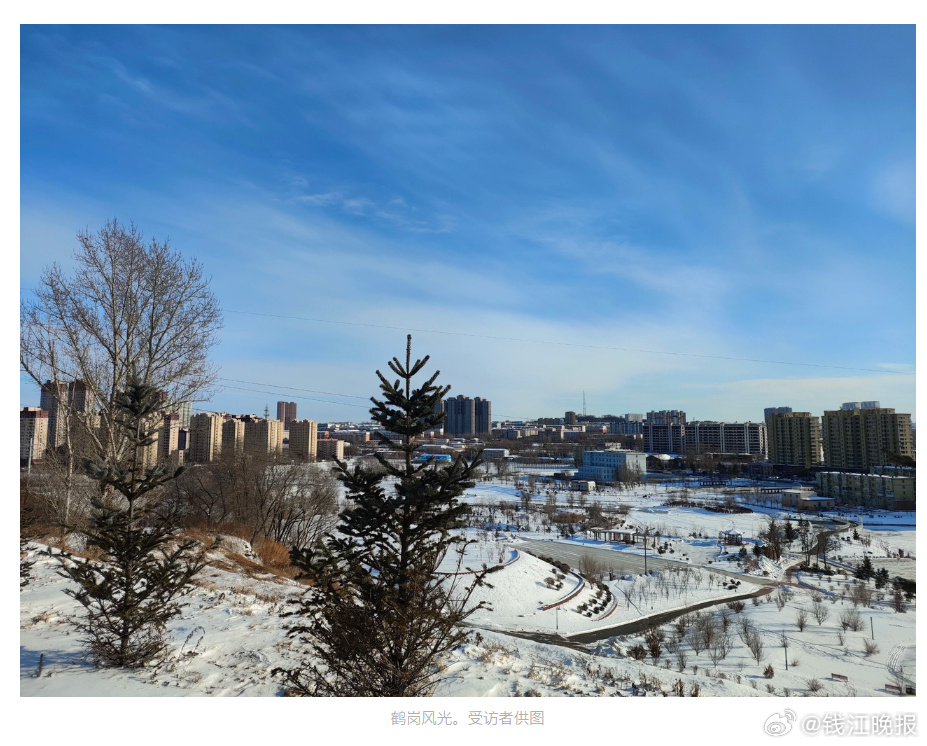
For about 38,000 yuan — roughly five thousand dollars — a young woman from Jiangsu bought a two-bedroom flat in Hegang, the Heilongjiang coal city that became China's byword for rock-bottom house prices. She spent another 40,000-odd yuan renovating it. Six months later she is suing her agent, and the story has turned into the country's most-searched cautionary tale about buying a home sight unseen.
The buyer, who gives the surname Chen, laid out her experience in a first-person account carried by the Qianjiang Evening News. She bought remotely: several agents had posted videos of the same flat, so she signed a power of attorney, notarised it online, and let an agent complete the transfer while she was still in Jiangsu. The 60-square-metre flat was built in 2017 — she stresses that it was not one of the Soviet-era blocks that give Hegang its reputation — and for the first months it was exactly what she wanted. "Buying a home was a fulcrum for my life at a time when I wasn't in a good state," she wrote. "Finally I had a home."
Then the roof leaked. Multiple spots, in unit after unit on her landing, according to neighbours who told her the leakage had been going on for years. She suspects the problem was plastered over before her agent's viewing video, which carefully avoided the stairwell and the entrance where the damage showed. She is now suing to cancel the purchase.
The story landed on Baidu's search board within a day, and the comments wrote the moral for the thousands of young Chinese who have followed "Hegang house-buying guides" since 2019: "38,000 for a flat sounds like a bargain, but if it's so cheap why was nobody buying it?" as one poster put it. "Cheap always has a reason."
Hegang itself has complicated, not refuted, the dream. A local who has lived there three years posted a video assessment of what low-price housing actually gets you, and the Qianjiang account's reporting shows the range: the city's scenery is genuinely handsome in winter, its food markets cheap and good — but the housing stock that changes hands at these prices is often defective in ways a remote buyer cannot see. The paper's reporting also mapped how the phenomenon has spread, with social platforms now recommending "new Hegangs" — Fuxin in Liaoning, Rushan in Shandong, Heshan in Guangxi — and one listicle summarising them as "Hegang in the north, Gejiu in the south, Yumen in the west, Rushan in the east." "Watching Hegang become an adjective," one user sighed.
The deeper story is what these buyers are paying for. Chen's flat cost less than a used car; what she was buying was an exit — from an unstable job market, from a rent that consumed her income, from the feeling of having no property in a society where property still measures adulthood. We have covered this longing before: knowing they shouldn't buy, China's renters still want a home. The buyers who succeed in Hegang tend to be the ones who arrive, inspect, and settle; the ones who fail are those who buy the dream remotely, from a video. Chen's suit will settle her case. The guides will keep publishing.