Secondhand Homes Overtake New Sales as China Declares Its Housing 'Stock Era'
China's housing ministry said the country's property market has entered a 'stock era', with secondhand homes making up 52 percent of transactions in the first eight months of 2026. The same week, sellers on Weibo began trending for refusing to cut prices — the clearest sign yet that the world's largest property market is reorganizing around the homes it already has.
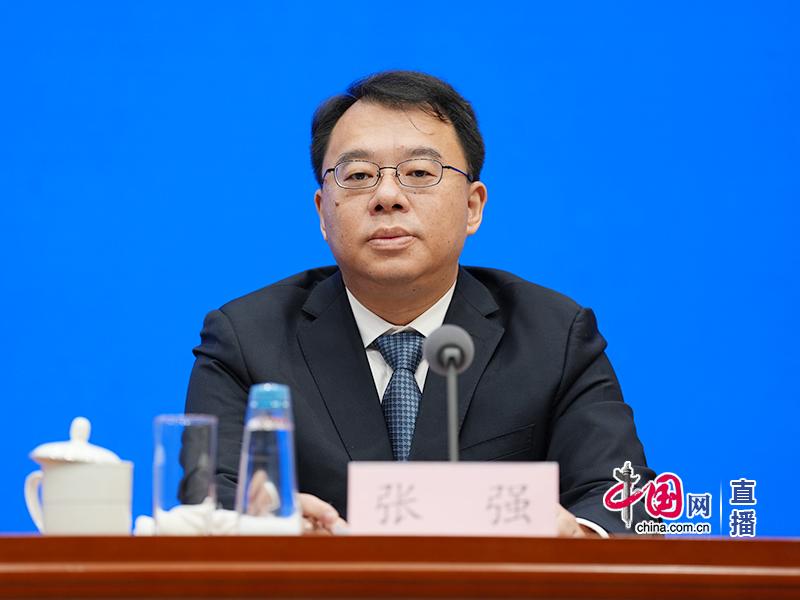
For two decades, the story of Chinese housing was building: cranes on the skyline, presold towers, sales offices in the suburbs. On September 18, the ministry that governs the sector said that era is over. At a State Council Information Office press conference in Beijing, Zhang Xuetao, head of real-estate market regulation at the Ministry of Housing and Urban-Rural Development, said China's property market has entered a "stock era" (存量时代): secondhand homes accounted for 52 percent of all transactions in the first eight months of this year, past the 50 percent line the ministry treats as the marker. The share was 27 percent in 2020 and 46 percent by last year.
The shift is visible in the market's mood, too. On Weibo the same day, a trending topic read "secondhand-home owners are starting to refuse price cuts" (#二手房业主开始不想降价了#). Time Weekly's Beijing report found signed secondhand deals have now held above the industry's 13,000-a-month boom-bust line for six consecutive months, and agents describe a reversal in bargaining psychology. "If a home sat unsold for a while, the owner's nerve would break and they would cut the price," one agent told the paper. "Now homes sell quickly, and owners' expectations rise." In Suzhou, school-district flats in the central Gusu and Science Park districts have quietly rebounded, by one property blogger's account gaining 2,000 to 10,000 yuan per square meter in six months, though old walk-ups and distant suburbs are still grinding along the bottom.
The press conference itself was a policy bundle aimed at this new phase. A new housing standard will require elevators in residential buildings of four floors and above, and raise guardrails on balconies to at least 1.2 meters for child safety. The ministry pledged support for owners of dilapidated blocks to demolish and rebuild on the same footprint, said it will push legislation on urban renewal, and set targets of renovating 115,000 aging neighborhoods and installing 575,000 more residential elevators over the 2026–2030 plan period. Most consequential for buyers, Zhang said China will move toward completed-home sales (现房销售) as the norm — "pay with one hand, receive the keys with the other" — replacing the presale model that produced the country's unfinished-tower crises. The housing-provident-fund reforms announced earlier this month, which let savers withdraw for rent, renovation and even property fees, now read as part of the same pivot: at the press conference the ministry said withdrawal categories will grow from six to nine.
Why it matters beyond China: the presale machine — deposits funding construction — was the engine of the world's biggest construction boom and, when it stalled, of its deepest property slump. A market dominated by resale changes what policy can do. Stimulating developers matters less than the condition of the country's vast existing stock, which is why the ministry's language has shifted from "destocking inventory" to a supply-side vocabulary of "good houses" that are safe, comfortable, green and smart, as The Paper argued in an editorial the same day.
Investors noticed the turn: as the ministry spoke, mainland property shares rallied within a session that saw both exchanges turn over more than 2 trillion yuan, up from about 1.8 trillion the previous session, and the first national release of secondhand transaction floor area — up 10.6 percent year on year — gave the rally a number to stand on. The floor, if it is one, is firming unevenly: in 48 of the 70 major cities, year-on-year resale price declines narrowed from July. But for the first time in this downturn, the people selling China's homes are the ones setting the terms.