Young Chinese Are Rewatching CCTV's 'Lecture Room' and Finding the Life Lessons Finally Land
A 25-year-old CCTV lecture show, once the viewing habit of China's parents, is going viral among their children. Weibo users are sharing subtitled clips of scholars discussing the Analects, the Three Kingdoms and the art of getting through a hard year — and saying the advice reads very differently once you have a job, a mortgage or a failure behind you.
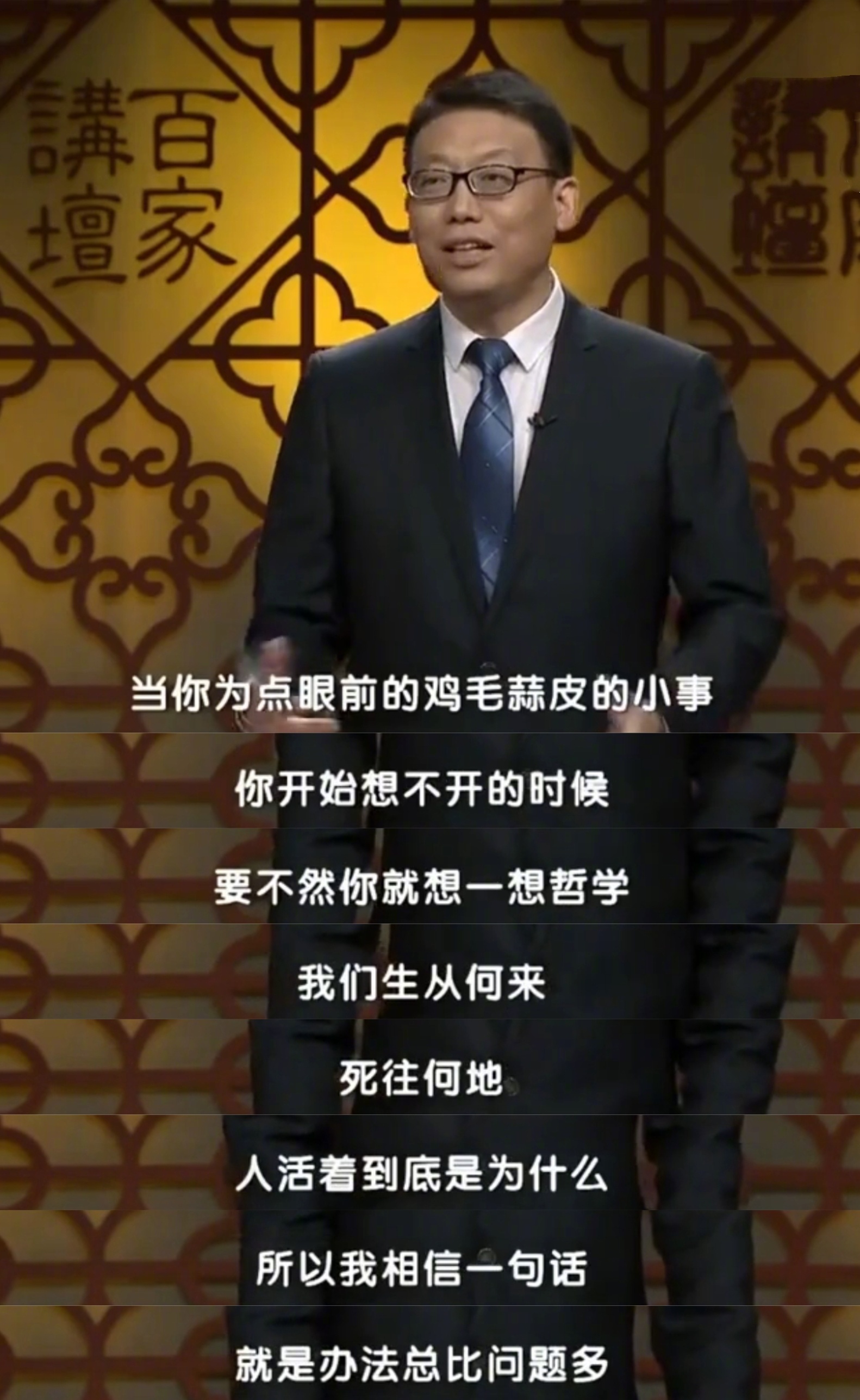
The hottest television recommendation on Chinese social media this week is a quarter-century old. A post captioned "When I was little I didn't understand — it turns out Lecture Room really was teaching something" (#原来百家讲坛是真的在教东西#) spread across Weibo with a post liked more than 15,000 times, attached to a grid of video stills: a man in a suit on a yellow studio set, subtitles promising that when life jams up, philosophy helps — where we come from, where we go, why we live.
Lecture Room (百家讲坛) is CCTV's long-running lecture program, launched in 2001: one scholar, one lectern, half an hour on the Confucian classics, Qing-dynasty emperors or the Romance of the Three Kingdoms. In its 2000s heyday it turned historians into pop celebrities and made titles like "Yu Dan on the Analects" bestsellers; a generation of Chinese children heard it drift in from the living room while they did homework. That generation is now in its twenties and thirties, and the clips — restitched into meme grids on Weibo and Bilibili — are being received very differently the second time around.
The quotes resonating hardest are less about history than about getting through a bad stretch. "As long as you think about a problem seriously, there will be a solution. Calm down, let your mind be still, and you will naturally see a way out." Another clip, against water and mountains: "Many words you hold back and never say, and the chance to say them is gone forever; many things you don't do when you could, and later there is no chance to do them at all." One Weibo user put the discovery bluntly: "Lecture Room really dared to say things. The stuff we listened to as a joke back then was all our own lives."
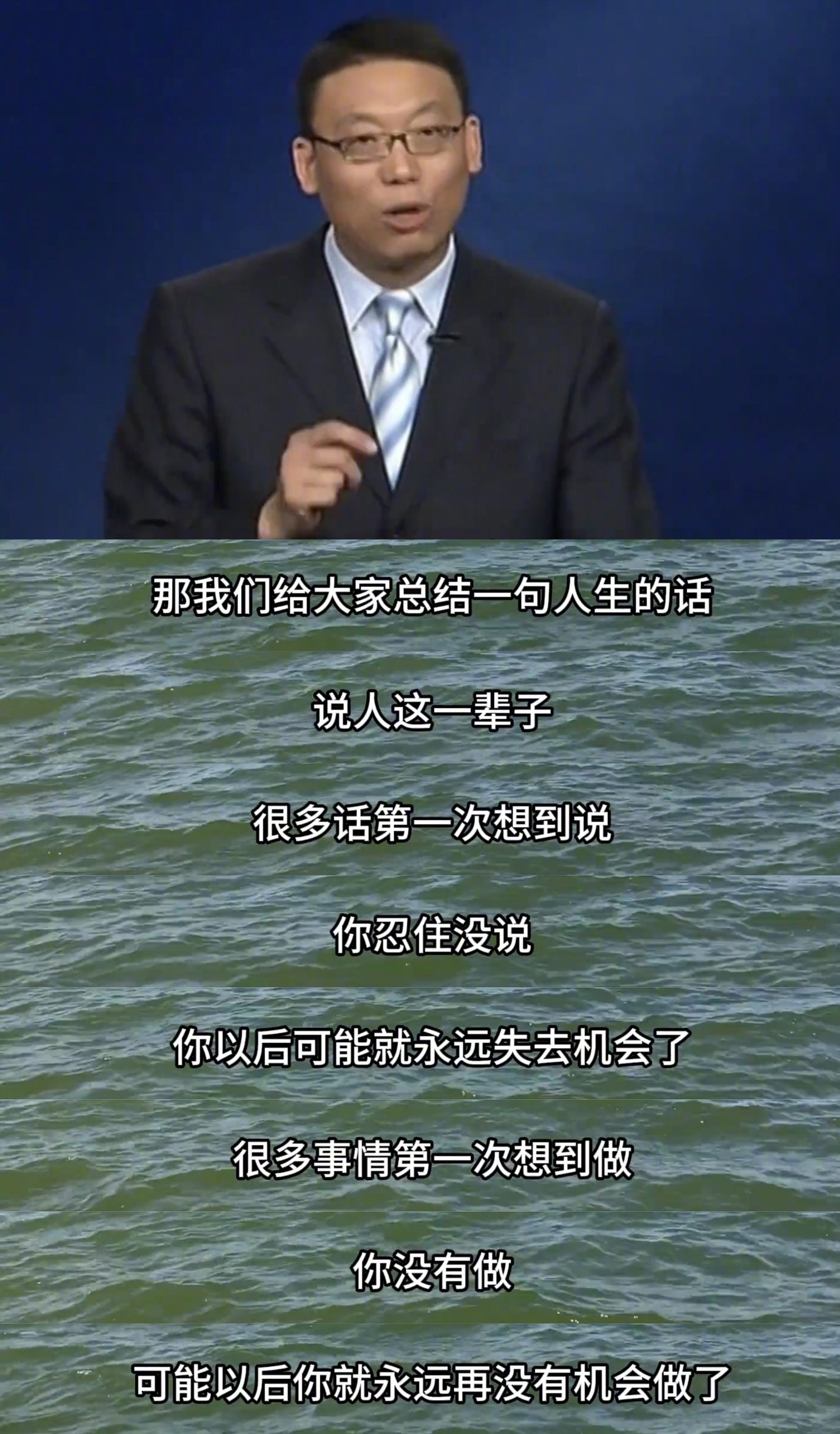
There is a legible reason a slow, single-camera lecture show is reaching young Chinese now. The cohort entering adulthood in the mid-2020s has come of age through a punishing job market, a property slump and the exhaustion of the "involution" years, and the advice that lands on Weibo is the counsel of patience and proportion — an older scholar saying, in effect, that setbacks are survivable and comparisons are pointless. The trend is less nostalgia for the show than for the person it presumes you can become: someone with time to read, think and let a problem sit.
The program itself faded from prime-time relevance years ago as entertainment splintered into short video. Its afterlife is a reversal of format: a generation raised on fifteen-second clips is now seeking out half-hour lectures, cut into fifteen-second clips.