Why China's Yuan Just Hit Its Strongest Level Since 2023
The yuan broke 6.7 to the dollar on Thursday, its strongest since January 2023, after eight straight days of stronger official fixings — a rally analysts trace to a huge trade surplus being converted into yuan, and one already reshaping what Chinese families pay for foreign tuition, travel and shopping.
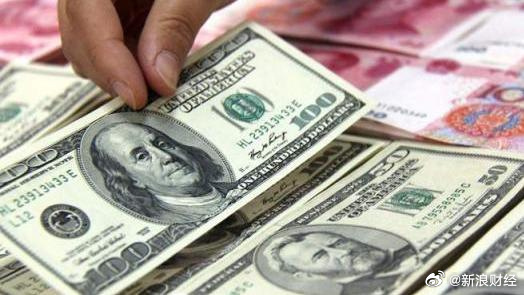
At 9:38 on Thursday morning, the onshore yuan traded at 6.6995 to the dollar, and the offshore rate at 6.6973 — both sides of the market through the 6.7 line for the first time since January 2023. The People's Bank of China set its daily fixing at 6.7521, 59 points stronger than the day before and the eighth consecutive daily increase, as Sina Finance noted. By the official 4:30 pm close, the onshore currency had added another 112 points. Three years of gradual depreciation against a surging dollar are, for now, running the other way.
The explanation Chinese analysts give is less about America than about China's export ledger. "The dollar index spiked overnight and fell back after the Fed's latest move, and the fixing has been steered stronger for days," said Wang Qing, chief macro analyst at Dongfang Jincheng, in a widely carried note, who added that joint currency intervention by the US and Japan and Middle East volatility have whipsawed global FX markets. Beneath the daily noise sits a structural pile of dollars: China's trade surplus keeps swelling, and exporters who parked their earnings abroad are converting them into yuan. "The trade surplus and the wave of conversions are the ballast under this rally," one market commentator wrote in a post that worked through the arithmetic.
The stronger currency shows up immediately in Chinese household budgets. Posters summarizing the change for families listed the beneficiaries: paying overseas tuition, traveling abroad, buying imported goods all get cheaper, while exporters face thinner margins on every dollar of revenue they bring home. The trend has crossed platforms — Baidu's board charted the breakout and a Zhihu question asking why the yuan is rising while America hikes rates and the dollar stays strong drew sustained attention, precisely because it inverts the logic of the past three years.
There is also a third-country effect that Chinese social media has turned into a running joke. A post noting that the yuan's rise means China's nominal output is closing on Japan's — not because China is sprinting, but because the yen keeps shrinking — drew wide agreement this week: "People always ask, do you think other countries will just stand still and wait for you to catch up? I don't know about the others, but Japan won't. Japan will turn around and run toward us." (the post, in Chinese). The Bank of Japan has lifted rates to a 31-year high this month, yet the yen remains near 156 to the dollar — which is why a yuan at 6.7 quietly rebases charts across the region.
The open question is what happens when the ballast shifts. If export growth slows or the dollar rallies again, the same conversion flows that lifted the currency could reverse; for now, eight days of firmer fixings say the central bank is content to let it run.