An Actress Loses 20,000 Followers After Airing Family Grievances on a Reality Show
Dai Luwa, a 29-year-old actress, is bleeding followers after telling the observation show 我家那闺女 that her mother — who reportedly went to work as a maternity nanny after the family went bankrupt — never gave her enough emotional support, while her ex-boyfriend's family did. The backlash has opened a wider argument about gratitude, therapy-speak and what adult children owe their parents in public.
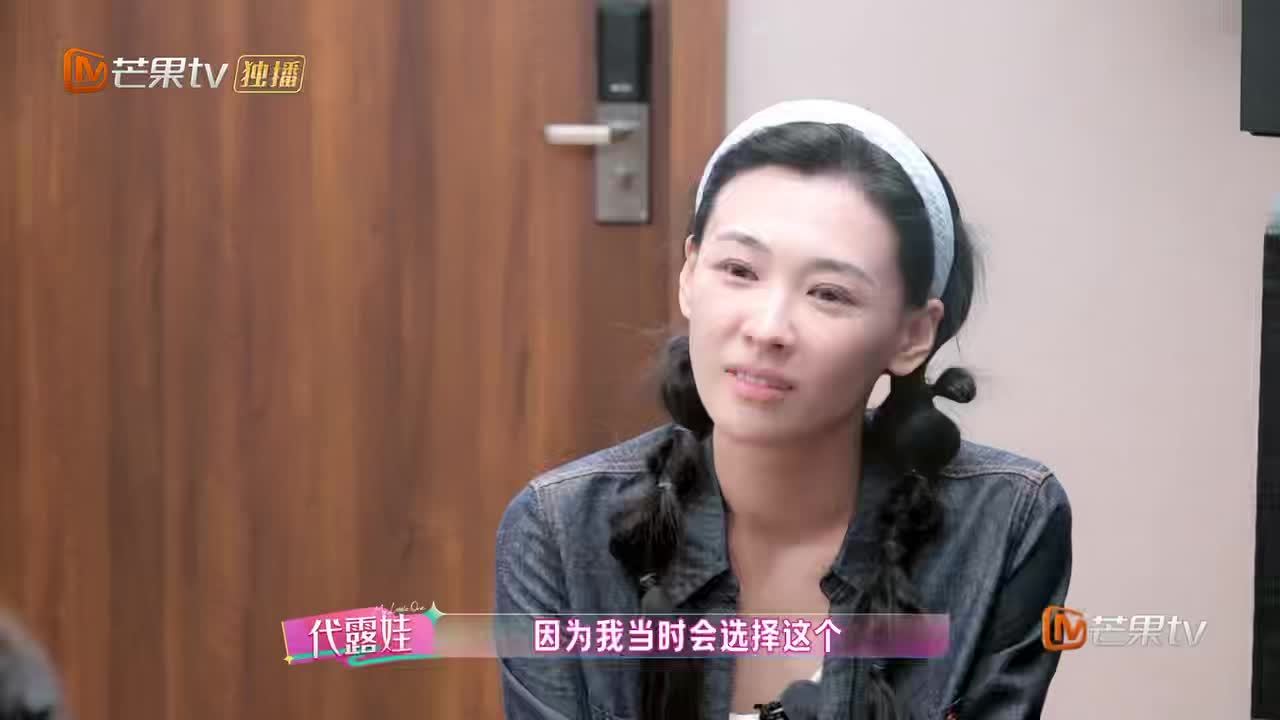
The fall was fast. Dai Luwa, a 29-year-old actress with a reputation for being well-liked, has lost more than 20,000 followers in the past month, according to a count circulated on Monday, after episodes of the reality show 我家那闺女 ("My Girls") in which she laid out her family grievances for the cameras. The hashtags arguing about her — that she complained about her mother while thanking her ex-boyfriend's family — sat high on Weibo's trending list for two days, and a Zhihu question on the controversy drew a heat score of 2.4 million.
Her case against her childhood, as told on the show: a father who slapped her in her final year of high school, after which she left home for a month and, she said, nobody came looking; a fever for which her mother's consolation was "if other people can manage it, why can't you"; and warmth that arrived, in her telling, from the family of the boyfriend she dated for seven years as a teenager, whose mother treated her as a daughter. What her own parents had not provided, she said, was "emotional value" — 情绪价值, the therapy-derived buzzword that has become the measuring stick of Chinese family life.
The audience's case against her is that the ledger runs the other way. Posts circulating during the episode report that her family went through bankruptcy and that her mother, stripped of conventional respectability, went to work as a maternity nanny — 月嫂 — to fund her daughter's arts education, at one point weighing the sale of the home to pay for it. One blunt post tallied her teenage transgressions — skipping class, running off to live with her boyfriend, a university entrance score of around 200 out of 750 — and asked what, exactly, deserved sympathy: "Sympathise with her mother, who went to work as a nanny to pay for her schooling." Critics seized, too, on her habit of comparing the in-laws' warmth to her own parents' coldness, and even on old posts about disliking coriander, now recast as a manufactured persona.
The defence, argued most fully in a post liked more than 5,000 times, is that the country is demanding a false choice. Loving one's family and complaining about it are not contradictions — that is what most ordinary families look like. The same post notes what the pile-on ignores: Dai handed her mother her salary card when she started working, and has never denied the scale of her parents' sacrifice. "The parents' toil is real, and so are the wounds of growing up," it concluded. "One does not cancel the other."
The site has watched one reality-family quarrel erupt already this week, when the adopted daughter at the centre of Chinese TV's most beloved sponsorship story was rumoured to have fallen out with her benefactor, and an Olympic diver's family history became a national talking point last month. Commentators warned Dai not to follow "the Zhang Jiaqi script". What distinguishes her case is the verdict: audiences who sympathised with the diver turned on the actress. The difference may be the therapy-speak — grievances framed as a deficit of "emotional value" read to many viewers as ingratitude wearing a modern vocabulary. Whether the audience is policing cruelty or honesty is the argument the country is still having, in comments that run to tens of thousands under every clip.