'Marginal Product': China's Default Chatbot Doubao Has a Trust Problem
A hashtag attributing the phrase 'marginal product' to a Doubao employee trended because it matched what users say about ByteDance's AI assistant: the most-installed chatbot in China has a habit of answering confidently when it does not know.
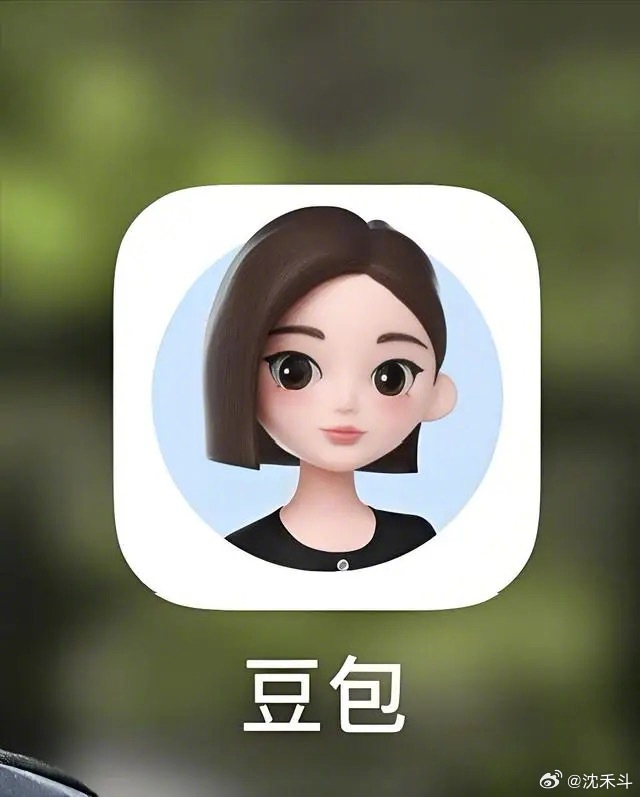
A Weibo hashtag purporting to quote a Doubao employee trended on September 23: 豆包员工感慨豆包成边缘产品 — a Doubao employee laments that Doubao has become a "marginal product." Whether the lament is authentic is beside the point of why it spread. Doubao, ByteDance's AI assistant, is the opposite of marginal by install count: it comes pre-loaded on most Android phones sold in China, and one user protesting the hashtag noted that "apart from Doubao there isn't another AI app on my phone." The phrase resonated because it matched what the app's own users say about it.
What they describe is a specific failure mode. "When it doesn't know, it doesn't say it doesn't know — it goes and creates an answer" (不懂的豆包不说不懂,他给你"创造结果"), wrote one longtime user in a widely shared post. He used Doubao for stock research until it handed him a wrong closing price it seemed to have invented; in a work project, he wrote, Doubao and Alibaba's Qianwen reached opposite conclusions, and when he checked with DeepSeek and then a human source, Qianwen was right — Doubao had missed the decisive condition and declared the project viable anyway. A tech blogger offered a humbler example: asked to summarize the launch prices of the new flagship phones from Oppo, vivo and Xiaomi, the bot produced an error-riddled list that took several attempts to correct. "If someone who doesn't know the topic asks, they will almost certainly get wrong information — and if you have to verify everything anyway, there was no point in asking."
The defence is that Doubao is exactly what it looks like. The hashtag brought out users who see no crisis: one posted that his phone carries no other AI app and called it "a very mass-market product"; a video essay circulating under the hashtag recounts Doubao's three-year evolution "from a single file to a national app." Both things are true, and that is the tension. The app China installed everywhere is the one users say they trust least with anything that matters.
The wider context is a chatbot market converging on sameness. The top question on Zhihu's board the same day asked whether Tencent had quietly abandoned its own chatbot, Yuanbao, to pivot to an office assistant called WorkBuddy — evidence that the consumer-chat race is being abandoned for narrower, more defensible terrain. "Most AI products differentiate too shallowly," one commentator observed. "You chat, I chat; you write, I write. What gets decided isn't who is smarter but who gets integrated into the user's daily scenario first." His summary line spread widely: install counts are not daily use — 装机量不等于日活.
ByteDance has already answered with structure rather than chatbot polish: it folded its office suite Feishu into Doubao in what the company called its biggest bet on the AI era, pushing the assistant from small talk toward work. The app's intimacy with its users runs deep enough that one man sued Doubao over the burial date it recommended for his family — the same reach that makes an invented stock price so corrosive.
Chinese users, meanwhile, personify their assistants the way they judge colleagues. A much-shared spring roundup graded the field: Doubao "feels very alive, very warm — but not smart"; Claude is "incisive but cold"; ChatGPT "used to be the smartest, but the wave behind pushes the wave ahead onto the beach." One student even found a use for Doubao's loose, colloquial style: its essays read as the least machine-like of the major Chinese bots in plagiarism-detection checks. What no one graded it highest on was accuracy — the one quality a default app cannot afford to lose.