Shenzhen Asks 1.5 Million Drivers to Stay Off the Road Ahead of the APEC Summit
Ahead of the APEC summit on November 18 and 19, Shenzhen has asked drivers to leave their cars at home — and more than 1.5 million of them have voluntarily registered to do so. It is the traffic half of a hosting effort that has already dressed the city in flowers.
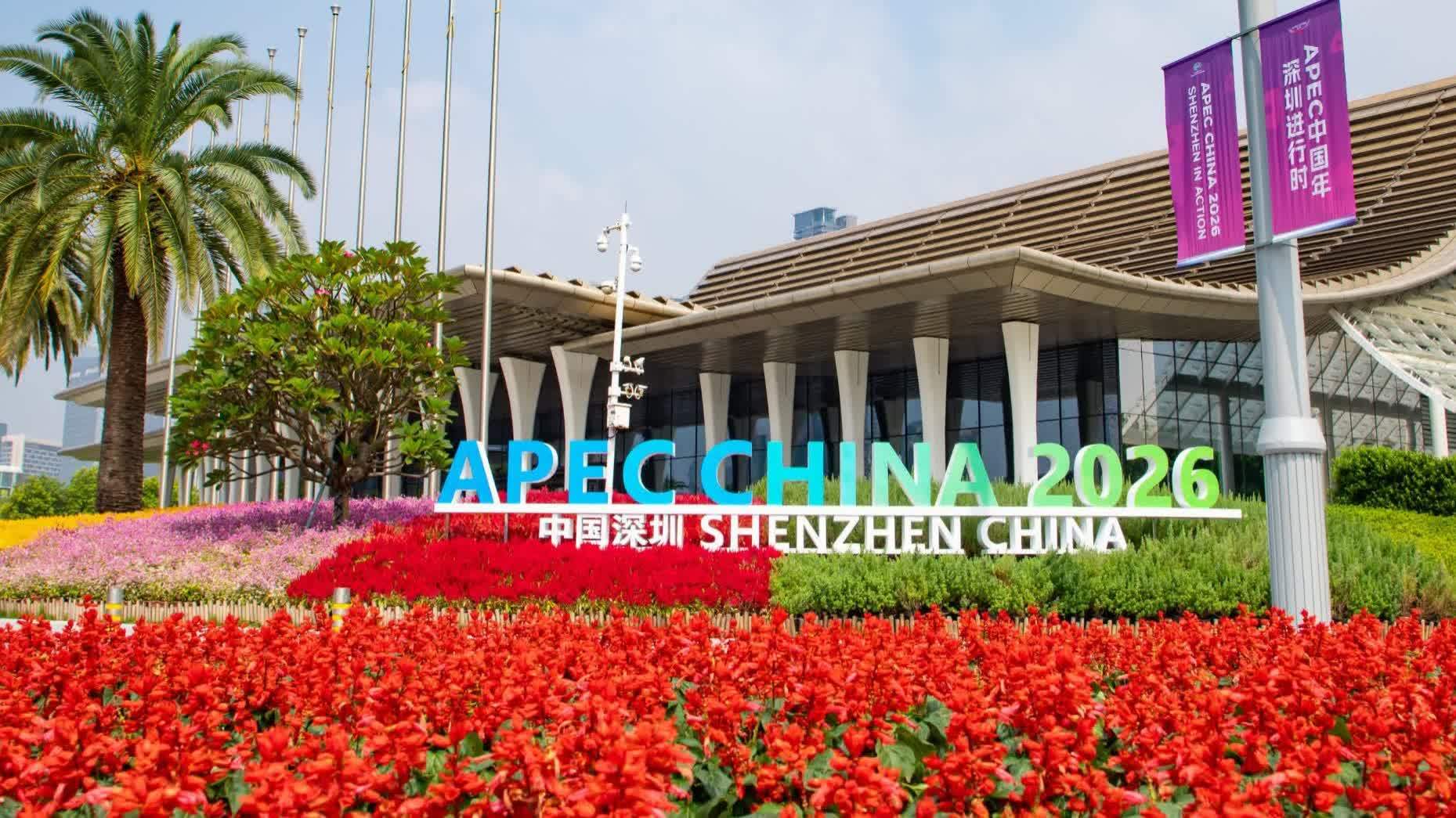
Shenzhen's APEC summit is still a week away — the meeting runs November 18 and 19 — but the city has already asked its residents to give something up for it. A voluntary scheme that asks drivers to leave their cars at home on summit days has passed 1.5 million registered vehicles, and the number is being treated less like traffic policy than like a civic oath.
The mechanics are simple. A registration system opened on October 15 at 10 a.m.; in the first twenty-four hours, more than 120,000 people signed up. By the evening of November 7, the count stood at 1.5 million vehicles — the figure the city's local media have been rolling out with the pride of a municipal record. The slogan doing the work is "giving the road to the faraway guests," and the framing that comes with it — "Shenzhen has made 1.5 million cars stop" — is less a traffic bulletin than a statement of the host's posture.
The flowers are the other half of the same story, and we have covered that in Shenzhen Dresses Itself in Flowers Ahead of the APEC Summit. To recap the scale: 20 themed topiary sculptures, 200-plus landscape features and 800-plus flower beds across the city's gateways, main roads and parks, under the "APEC China Year 2026" branding. One local business commentator put the logic plainly: the flowers will fade in a few days, he wrote, but what stays is the impression delegates take away — whether the city's bilingual signs, payment systems and service counters actually work, because "APEC is not a photo op and then everyone leaves."
The scheme is voluntary, and that is the part of the story that says something about how a Chinese city stages a summit. There is no ban on driving, no penalty, no enforcement — just a registration system and a public invitation to sign up. That the city's residents have responded in the millions is the kind of number that reads as a measure of civic buy-in, or as the soft power of a well-run hashtag, depending on how you read it.
What is not in doubt is the scale of the event behind it. APEC is a meeting of 21 Pacific economies, and the summit is being held in Shenzhen — the city that built the Chinese tech economy — at a moment when the country's "APEC China Year" branding is being used to make the case that the country's doors are open for business. The traffic pledge is the smallest gesture of the whole build-up, and the one that most residents have actually taken part in.