Shenzhen Dresses Itself in Flowers Ahead of the APEC Summit
With the APEC leaders' meeting opening in Shenzhen on November 18 and 19, the city has planted 800 flower beds, halved transit fares, and offered motorcyclists insurance discounts to stay off the road — while Washington and Beijing hold pre-summit trade talks ahead of an expected third Trump-Xi meeting of the year.
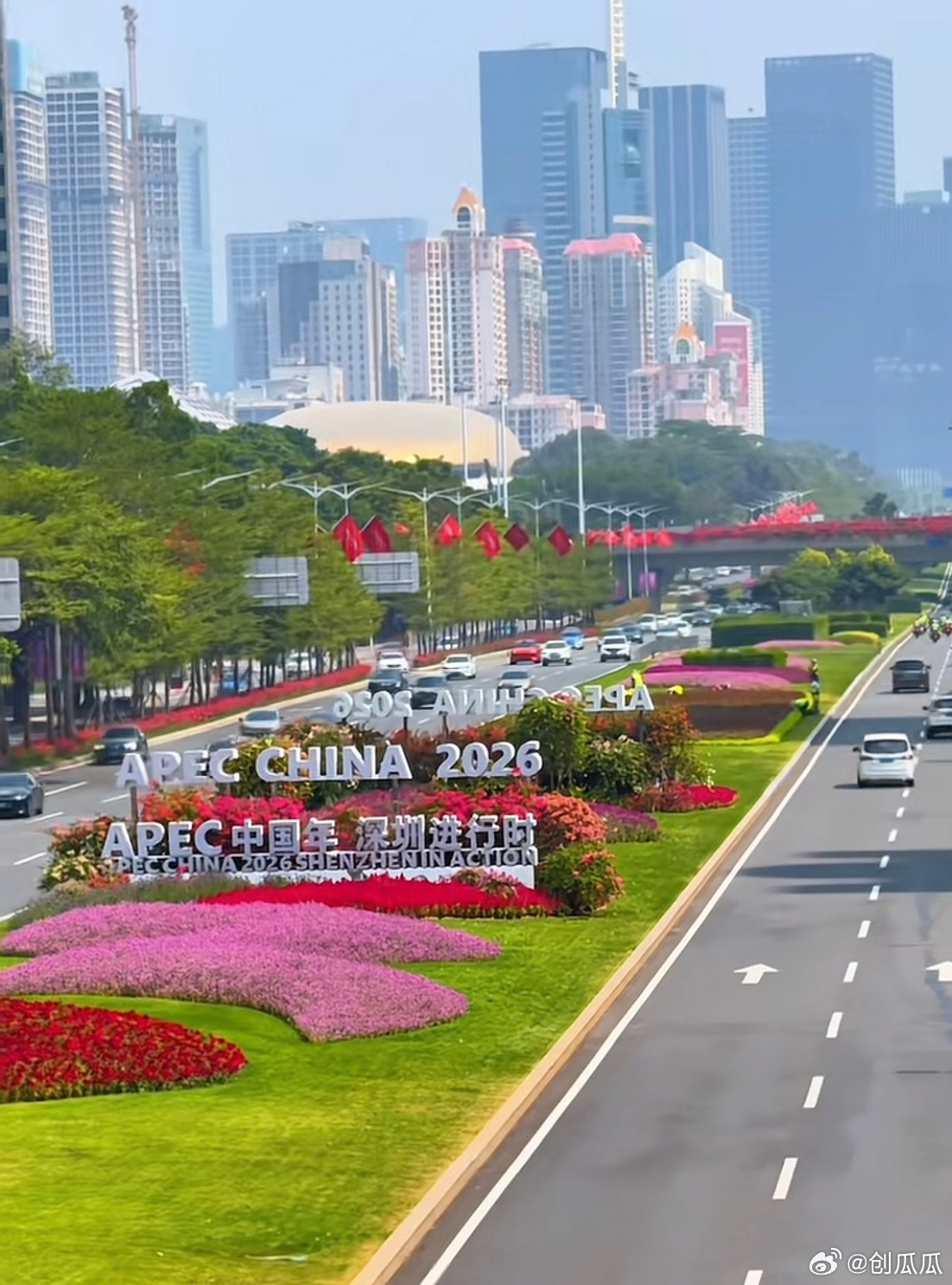
The bougainvillea now spilling over Shenzhen's overpasses did not plant itself. According to the state-run Xinhua news agency, the city has installed 20 themed topiary sculptures, more than 200 landscape installations and over 800 flower beds at its transport hubs, main roads, parks and official venues — a municipal redecoration on a scale residents are photographing daily as the Asia-Pacific Economic Cooperation leaders' meeting approaches on November 18 and 19.
The trending slogan, "鹏城花开共赴APEC之约" — roughly, "Pengcheng blooms to keep its date with APEC" — is the city's own framing: Pengcheng, the City of the Roc, is Shenzhen's classical nickname. Residents have received it with a mix of civic pride and deadpan. One widely shared post praised the city's hosting instincts with a pun on 会, a character meaning both "meeting" and "to be adept at" (深圳是"会"来事的), before conceding that "even the flowers are chasing their KPIs" (连花都赶着KPI), as planters wound garlands around concrete bridge piers.
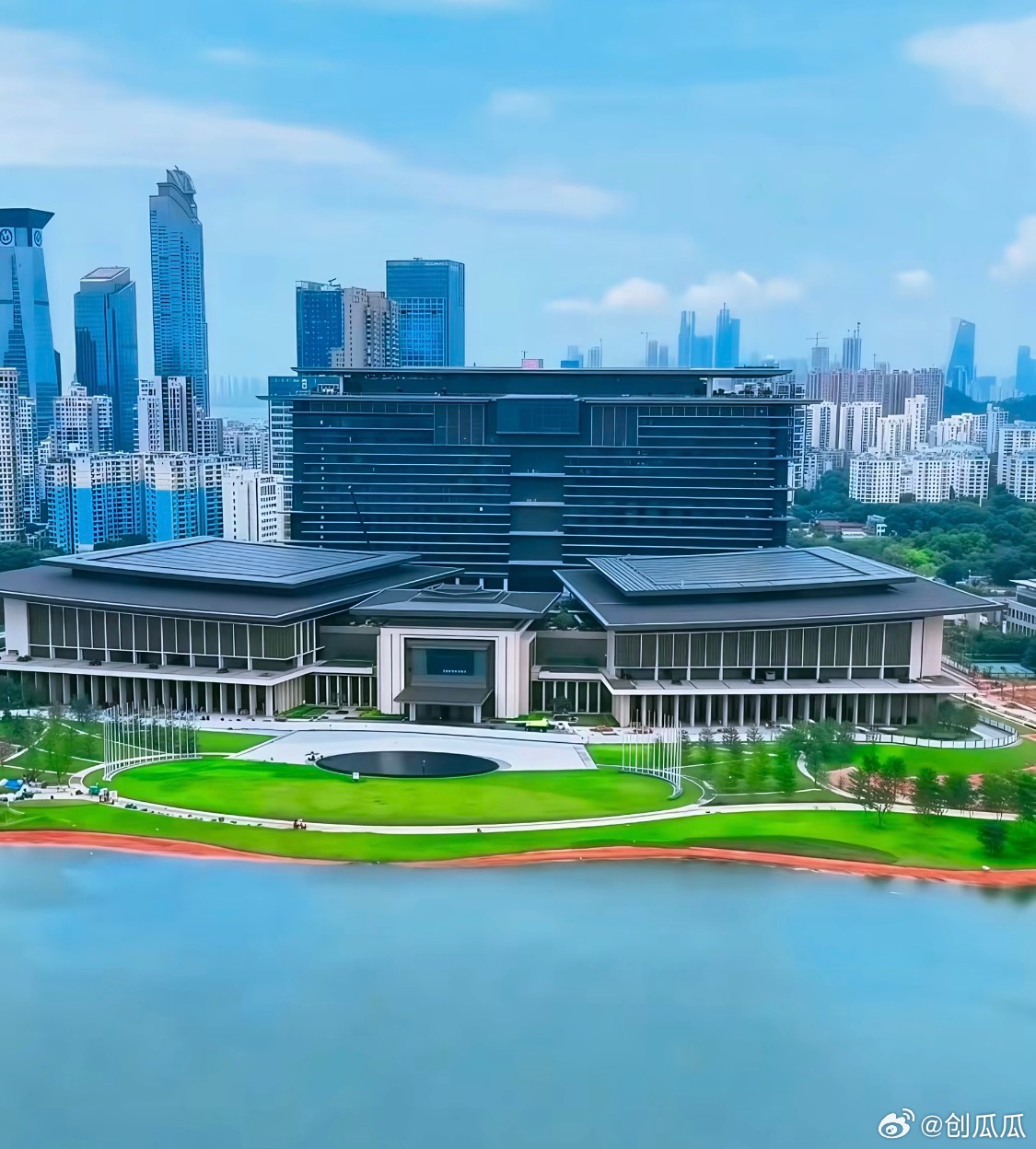
The hospitality runs deeper than horticulture. Metro and bus fares are half price for the summit period and several scenic spots have dropped entry fees; the airport's arrivals corridors have been re-skinned with APEC branding; and the metro has added APEC-themed station posters and customised on-board announcements on the lines passing through Futian, the district where the meeting is centred. A fleet of black Denza D9 MPVs — a premium brand owned by Shenzhen's home-grown BYD — is serving as the official reception vehicles, a detail locals read as deliberate: the city hosting Asia-Pacific's leaders wants the world photographing its own industry.
The most telling preparation is aimed inward. After asking private motorists to pledge their cars off the road for summit week, the city extended the scheme to motorcyclists: riders who commit to not riding during the meeting week are offered 30 percent off their insurance, as Hong Kong outlet HK01 reported. It continues the traffic-taming logic of the five-year, citywide horn ban Shenzhen imposed on November 1, which we covered here — a city tuning itself for its close-up.
Underneath the flowers sits the real reason the world is watching. On the summit's eve, Vice Premier He Lifeng held calls with US Treasury Secretary Scott Bessent and Trade Representative Jamieson Greer, with Beijing voicing "serious concerns" over recent American trade restrictions and Washington pressing China on commitments made at the Busan summit, Taiwan's Central News Agency reported. Donald Trump and Xi Jinping are expected to meet on the summit's sidelines — their third sit-down this year — which turns a normally technocratic trade forum into the most-watched fixture on the diplomatic calendar.
Shenzhen, meanwhile, has its own milestone in view. Its GDP reached 3.03 trillion yuan in the first three quarters, putting it on course to become China's third city with an annual economy above 4 trillion yuan — a figure analysts tie to exactly the openness the summit is meant to showcase. The flowers, in that light, are the smaller of the two statements the city is making this month.