A Driver Fell Asleep With His Car's 'Smart Driving' On. China Is Arguing About What Comes Next.
A motorist on a Zhejiang–Jiangxi highway let his car's assisted-driving system run while he slept through repeated horn blasts; the video has reignited China's argument over how 'smart driving' is marketed and who is responsible when drivers stop driving.
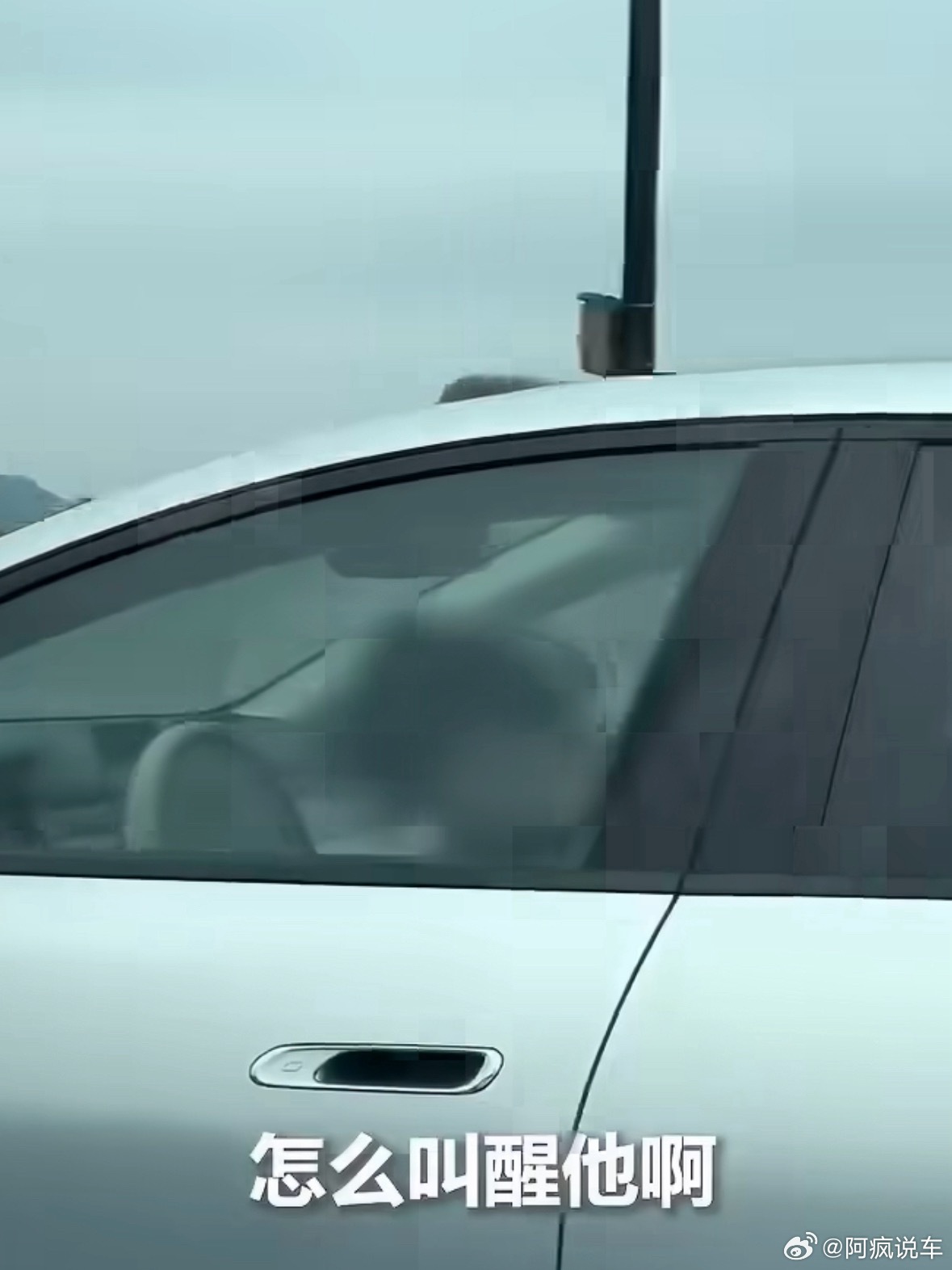
The video that spread across Chinese social media on Saturday shows a quiet holiday expressway, a car holding its lane, and a driver asleep at the wheel. The man behind the camera, surnamed Yang, told Red Star News he had trailed the vehicle for about three minutes on the expressway from Quzhou in Zhejiang toward Shangrao in Jiangxi on October 1, the first day of the Golden Week travel rush, honking repeatedly without waking him. Only when traffic slowed and the car's system braked did the driver appear to stir. Yang posted the clip, he said, to warn people how dangerous this is.
The episode landed in the middle of China's most consequential car-marketing debate. "Smart driving" — 智驾 — is the phrase domestic automakers use for the driver-assistance suites they race to advertise, and it has migrated from spec sheets into everyday speech; Huawei alone now sells the feature down to its $12,600 family cars. A lawyer quoted by Red Star News drew the line the industry's regulators keep drawing: what is sold today is assistance, not autonomy, and sleeping at the wheel violates road-safety rules regardless of what the car can do.
The comment sections show a technology's reputation being contested in real time. One motoring blogger defended the systems themselves — the technology is real and works, he argued, and it is drivers like this one who turn the public against it; he wanted repeat abusers blacklisted from using the features at all. A road-safety account warned that today's systems can sometimes spot an obstacle but cannot swerve around it, and must never be mistaken for self-driving.
The most concrete response came from a poster who predicted the freeloading will soon get harder. China's forthcoming national standard GB 47955-2026, they noted, tightens the rules on Level-2 assistance, strengthening the driver's duty to monitor the road and take over — and the gap between Level 2 and true Level 3 autonomy is about to become a regulatory boundary rather than a marketing nuance. The scene in the video, a driver asleep while the machine holds the lane, is exactly the behaviour that standard is being written to end.