'He Warmed Everyone but Couldn't Warm Himself': A Drama Death Grips Chinese Social Media
The suicide of Sun Yuanzhu, a fictional character in the hit Youku drama 'Early Spring Sunny,' has driven millions of mourning posts — even as the show's marketing is attacked for selling 'sexual tension.' The double conversation says a lot about how Chinese idol dramas are made, sold and grieved.
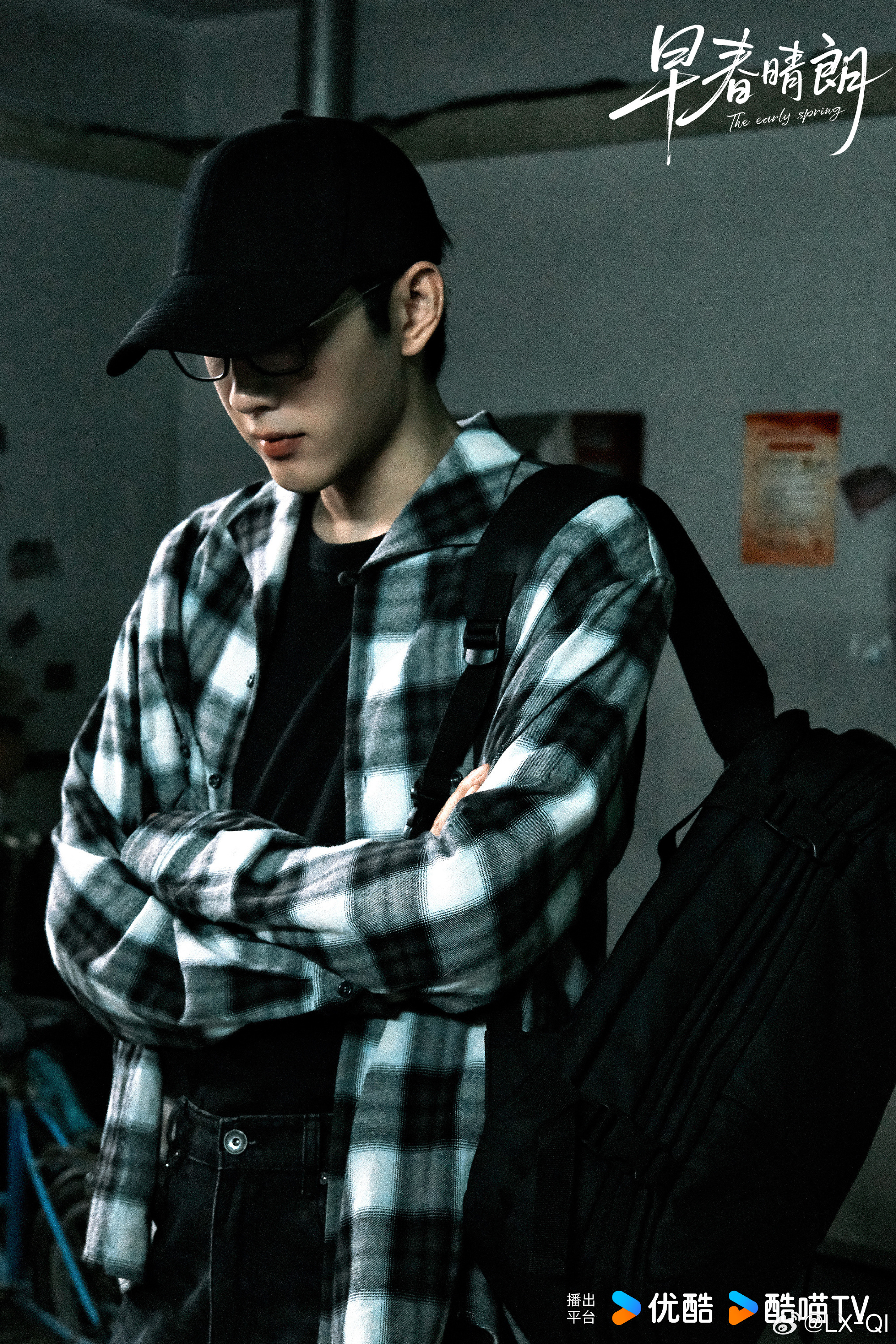
The trending question on Weibo was framed like a news enquiry: "Why did Sun Yuanzhu jump?" Sun Yuanzhu is not a real person. He is a character in "Early Spring Sunny" (早春晴朗), a romance drama streaming on Youku, and his death in the show's final stretch has produced the kind of collective mourning Chinese fandoms usually reserve for pop idols — fan-written eulogies, screenshot shrines, and actors posting in-character farewells that collected six-figure like counts.
The caretaker who burned out
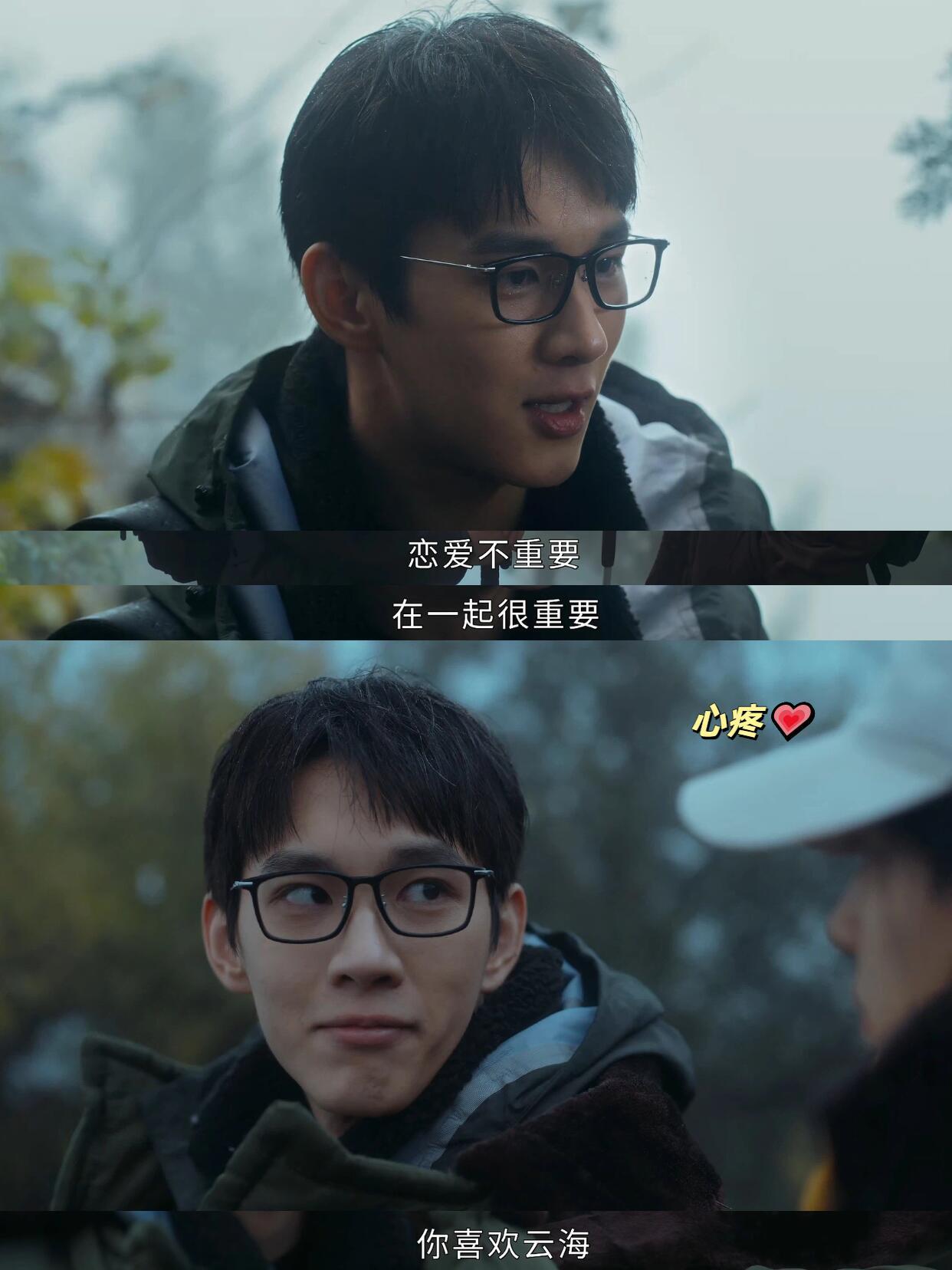
Sun, played by Jing Boran, is the drama's designated giver: a man who absorbs everyone else's crises while quietly shouldering his family's debts and his mother's death. The most shared eulogy, from a fan account, ran: "He warmed everyone but couldn't warm himself. He spent all his heat on others and kept only an empty shell — so light that a gust of wind could carry it off. So he chose a windy day and sent himself into the sea of clouds." Another widely liked post traced the psychology: kindness as instinct, "a spirit of self-sacrifice formed in childhood," sunny on the surface and depressed underneath.
The mourning spilled into the show's own channels. Jing Boran posted a message in character — "Notifying all Lingmei staff to clock off on time; anything else keeps until next week" — which was liked more than 144,000 times, fans reading an office memo as a fictional CEO's goodbye. His co-star Sun Qian signed off with a video addressed to her character: "Taotao, come on, let's go back to Beijing."
The marketing problem
Alongside the grief ran a sharper argument. On Baidu's hot board, a topic titled "idol dramas' soft-porn promotion" accused "Early Spring Sunny" and its genre peers of selling intimacy instead of story: kiss scenes and bodies pressed close, captioned with suggestive copy, pushed as the show's main attraction — a strategy critics called a substitute for plot and acting that could actually break out. The irony was not lost on viewers: a drama capable of generating this much genuine feeling over a character's death had spent weeks marketing itself on "sexual tension."
The tension between those two facts is structural. Chinese idol dramas compete on platforms that reward a hot clip over a complete arc, and in a censorship environment where explicit content is impossible, the suggestive edit is the industry's permitted edge — marketing that courts exactly the outrage that keeps a show in the trending charts. The genre's defenders note that the outrage coexists with devotion: the same viewers mocking the kiss-scene posters were, days later, writing 2,000-word essays on why a fictional man died.
That duality is the real story of "Early Spring Sunny": a hit that its audience simultaneously treasures and resents, mourned in earnest and marketed in thirst. The show's official account had the last word of a kind, posting a lyric from its ending song — "Love is a cliff, yet the heart leaps anyway; you stand on the sober side, and I get drunk on a one-in-a-hundred-thousand chance."