No One to Call: The Chinese Star Who Confides in an AI Chatbot
On a new Mango TV show that reunites celebrities with people they fell out with, the singer-actor Ma Tianyu said that at the lowest point of his life he had no one to confide in — and turned instead to an AI chatbot, turning a feud-format episode into China's loneliness conversation.

Mango TV's new talk show is built on a pun and a dare. Its title, "Hou Hui You Qi" (后会友期), swaps the last character of the farewell idiom "hou hui you qi" (后会有期, "till we meet again") for the character for "friend" — and the premise is forcing celebrities to sit down with the people they fell out with. Weibo's verdict on the format, now trending: the ones you want to invite but don't dare to all got parked in the observation room (a post liked more than 12,000 times). This week's episode delivered the premise's promise: producer Zhang Meng and the singer-actor Ma Tianyu, who deleted her from WeChat years ago.
What Ma Tianyu said on the couch turned the episode from celebrity content into something heavier. During his worst stretch, he said, he stayed in bed for two to three months, hardly going out, and called his friend Yang Mi just to talk. And when he twice tried to reach for a close friend in an emotional crisis: "I don't have a single one. Laugh if you want — a while ago I went to chat with AI, and honestly that's pretty sad." He described feeling no happiness and no desires, a state of emptiness he climbs out of by thinking of the family who need him. Then he broke down. Zhang Meng, watching, said what half the internet was thinking: "Maybe I shouldn't have called him here. Everything about this is wrong." (Li Video's clip)
The history between them explains the tears. Years ago, when Ma Tianyu's father was ill and he declined her casting requests, Zhang Meng told him not to come to her productions again — and he deleted her contact. On the show she called that childish; he answered that she had crossed a line, and that this is not how friendship works (Xianyujun's cut of the exchange).
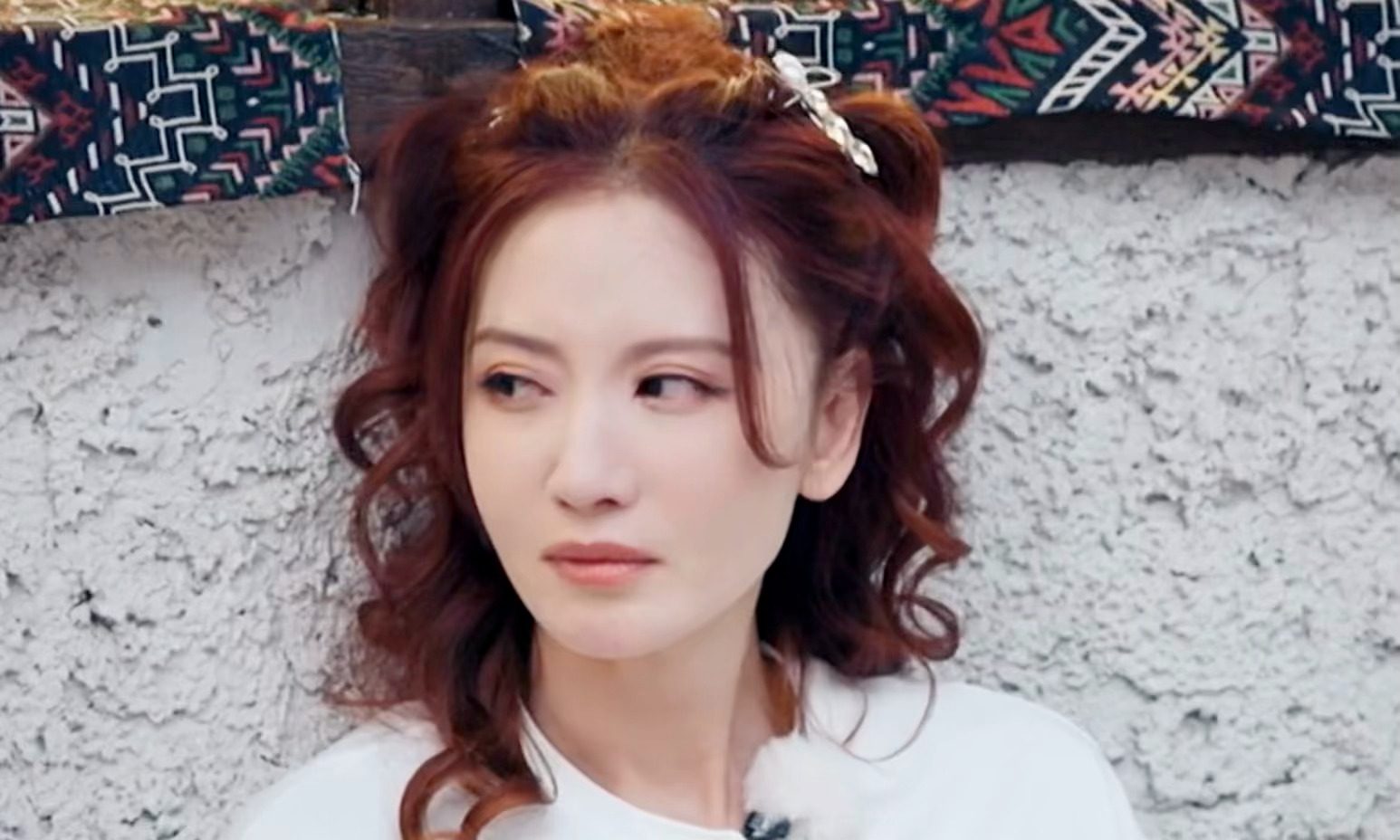
The AI confession is the part that traveled. A city government account joined the thread to argue that real comfort is listening, not lecturing (its post), and the comments filled with ordinary people saying they, too, talk to machines when there is no one to call. China's chatbots — Doubao, DeepSeek, Qwen — reach hundreds of millions of users, and the intimacy is already producing absurdities: a hospital recently had to post a notice telling patients to stop consulting the chatbot in its lobby about their symptoms (we covered that notice).
The show's observation room was designed to referee old feuds. Instead, its most-discussed moment was a man at the center of China's attention economy saying that at the worst moments of his life he had no one to call — and that the only listener he could find was a machine.