Nvidia's Jensen Huang and AMD's Lisa Su Join Tsinghua's Advisory Board of Global Tech Chiefs
Tsinghua's School of Economics and Management, whose advisory board was founded at Zhu Rongji's urging and is chaired by Tim Cook, has added Nvidia's Jensen Huang and AMD's Lisa Su ahead of its October meeting in Beijing.
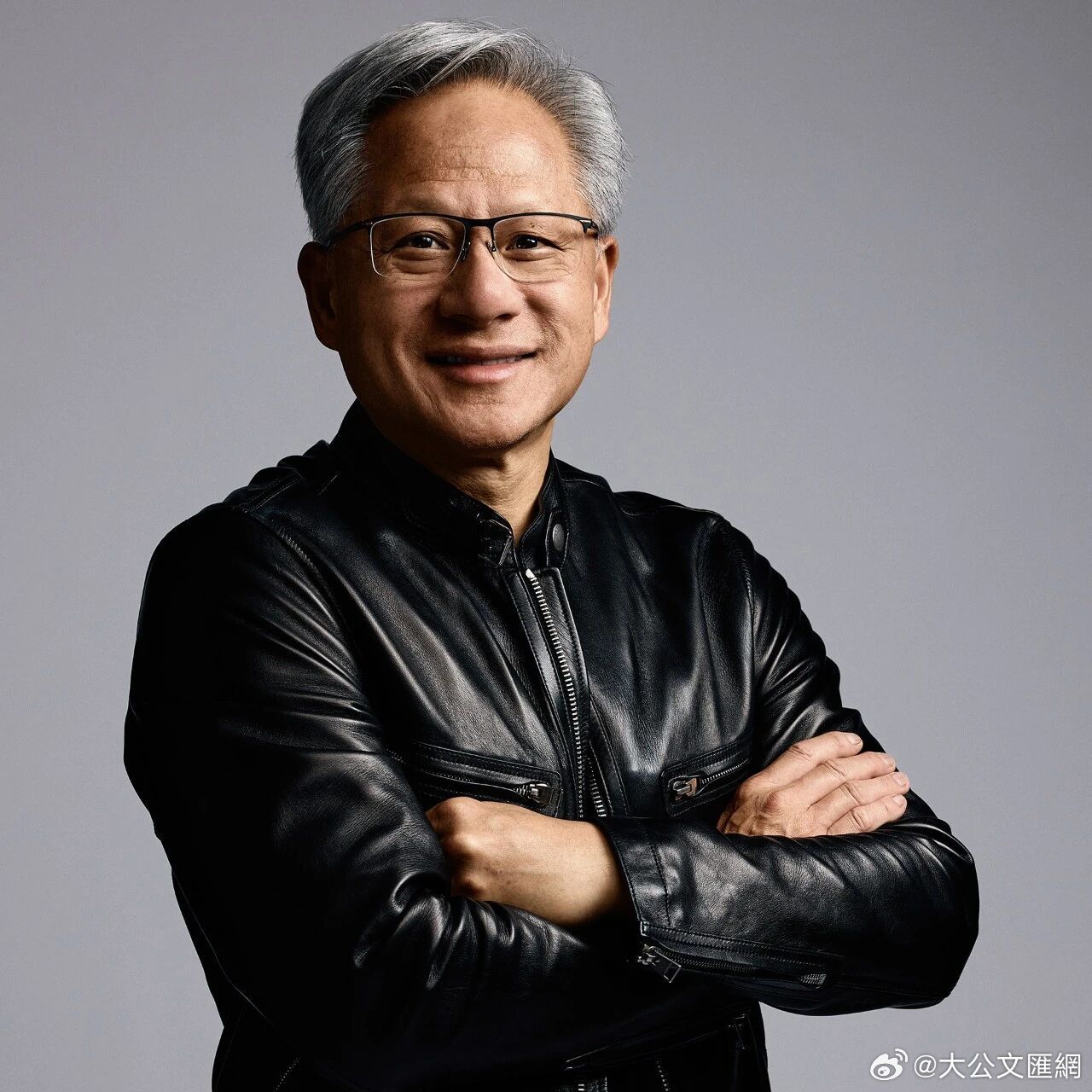
Tsinghua University's School of Economics and Management has quietly assembled one of the more improbable committees in global business, and this week it added two of the most consequential names in semiconductors: Jensen Huang, founder and chief executive of Nvidia, and Lisa Su, chair and chief executive of AMD.
The school announced on Tuesday that the two — along with Marc Pictet, senior managing partner of the Swiss wealth manager Pictet — join its advisory board ahead of its 27th annual meeting, to be held in Beijing on October 13 and 14. The board was founded in October 2000 at the urging of then-premier Zhu Rongji; its members are mostly the chairs of multinational companies, business-school deans and Nobel laureates, and its chairman is Apple's Tim Cook. Taiwan's Central News Agency describes it as a "symbolic platform" through which Beijing builds relationships with the world's business leaders — which is why this year's additions read as more than routine.
Huang and Su lead the two American chip companies most exposed to the US-China tech fight, with Nvidia's China business squeezed by successive export controls. Both also sit on the US President's Council of Advisors on Science and Technology, and on Tuesday both were in Washington: Huang shared a stage with Elon Musk at an AI summit where the two ran the arithmetic on AI's contribution to the economy, and at the White House AI luncheon that followed, Trump sat flanked by Musk and Huang — while Dario Amodei, the Anthropic chief executive who has argued for slowing AI development down, was placed near the far end of the table. Meanwhile, Trump has signed an order directing the US government to call the field "super intelligence".
Beijing and Washington are courting the same handful of executives, and both governments know it. For Tsinghua's school, whose board has outlasted every turn of the trade war since 2000, adding the two most prominent Chinese-American figures in chips keeps a channel open that nothing else quite replaces: a standing reason for Nvidia's and AMD's leadership to be in Beijing each autumn, whatever Washington's export rules say.
Whether Huang and Su appear in person on October 13 will be read as more than a scheduling matter.