A Hunan Woman Was Killed a Month After Filing for Divorce, Renewing the Argument Over China's Cooling-Off Rule
Xiaomin ran a wedding-planning business in Hunan; her husband, relatives say, had no steady job and asked her for money again and again. She raised divorce, and a month later she was dead. The case has put China's 2021 divorce cooling-off period back on trial — and the argument over whether separation is the moment of greatest danger.

The father's account ran on August 28 under the Beijing News' byline. His daughter Xiaomin, who ran a small wedding-planning business in Anhua County, Hunan, was killed on June 24; her body was found only after seven days of searching, at the place she lived. The suspect is her husband, Wang. She had proposed a divorce, a relative said, a little more than a month before she was killed. Wang has been criminally detained.
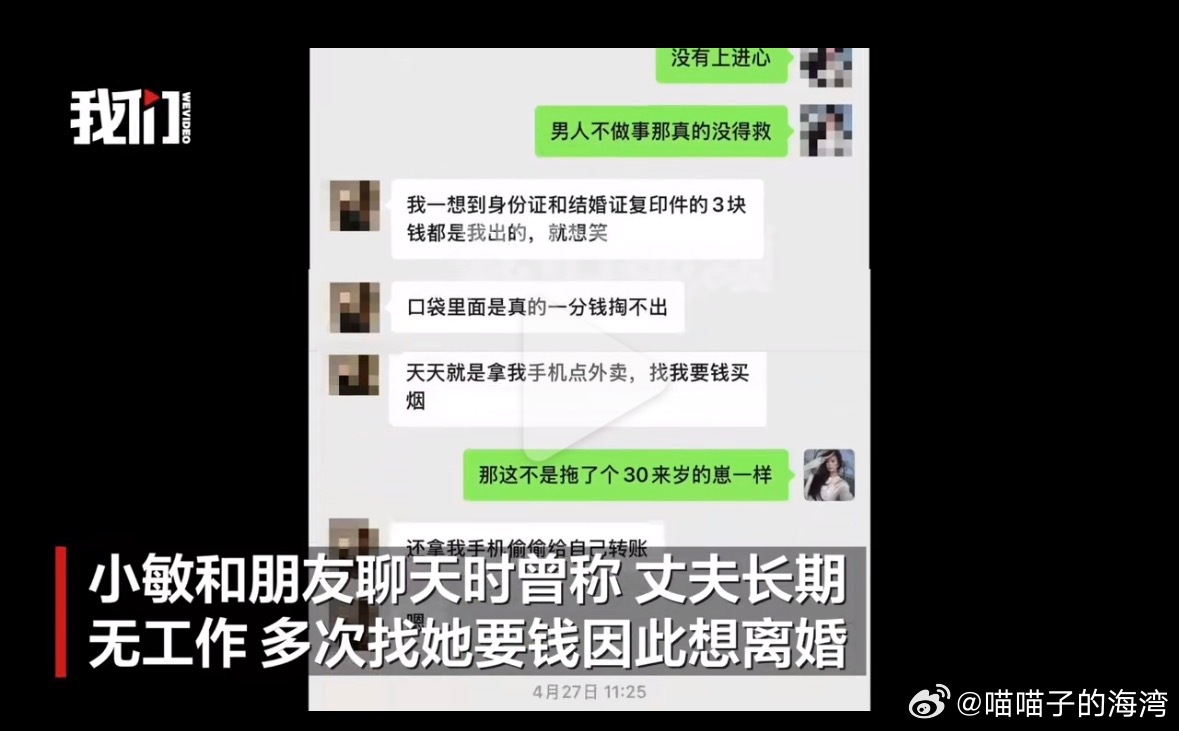
What turned a criminal case into a national argument was what the reporting showed next. Chat records Xiaomin sent a friend, published as news graphics by the Beijing News' Emergency Call program, describe a marriage of three years in which her husband had no work for two, repeatedly asked her for money, and once secretly transferred funds off her phone — she complained he acted like a "30-something-year-old son." Even the 3 yuan it cost to photocopy the marriage certificate and their ID cards, one post recounting the case noted, had come out of her pocket.
The most dangerous window
Commentators did not treat the timeline as incidental. Writing to his followers, one commenter argued the case fit a pattern that specialists in intimate-partner violence describe as coercive control — economic dependence, monitoring, threats — and that the period around a separation is when the danger peaks. "Stop asking why she didn't leave sooner," he wrote. "Leaving is itself the most dangerous moment." (提离婚不是解脱) The detail users cited most was bureaucratic: China's Civil Code requires couples divorcing by agreement to wait out a 30-day "cooling-off period" before their divorce is finalized — a rule defended in 2021 as a brake on impulsive decisions, and contested ever since. This site has followed that argument since the rule's first years; the question this case sharpens is not whether the wait itself is dangerous, commenters noted — she had merely raised the idea — but why, in the words of one post, "a husband's resentment is so often filed away as a domestic affair."
The case sat near the top of Baidu's board within hours (女子提离婚1个月后被丈夫杀害), and the Beijing News' report drew more than 3,000 likes.
There is a longer history under the argument. Courts have sentenced husbands to death in comparable cases, and each new killing reopens the same ledger — what protection exists between a threat and an act. Wang's case has not yet reached a prosecutor's decision, and the two questions users keep repeating are the ones the case genuinely leaves open: why the warning signs in her own chat logs never added up to protection, and what the cooling-off period is for, in a marriage where the danger began long before anyone reached a government office.