Joey Wong, Retired for 22 Years, Returns as Her Own AI Double — and Gets Accused of Cashing In
Joey Wong, the Hong Kong cinema icon who quit acting in the 1990s, has 'returned' through an AI avatar licensed from her own portrait rights - and trended twice at once, as fans welcomed her back and cynics accused the 90s stars of monetising nostalgia.

The face that came back this week belongs to Joey Wong (王祖贤), the Hong Kong cinema star whose Nexian ghost in 1987's A Chinese Ghost Story defined an era's idea of beauty. Wong retired from acting in the early 2000s and has spent two decades famously unreachable — no interviews, no red carpets, years of grainy fan photos from Canada. Yet there she was trending twice at once: once as 复出, "the comeback," and once under an accusation of 圈钱, "cashing in."
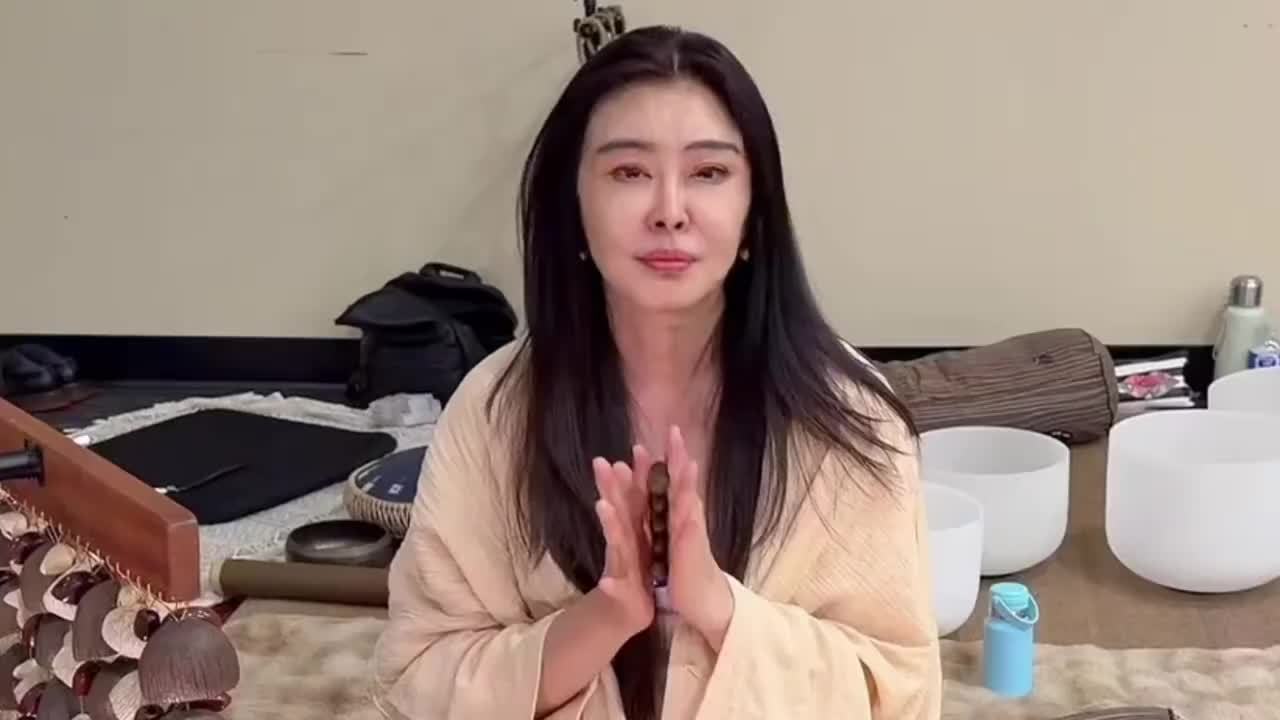
The comeback itself is technical. In July, Wong licensed the AI usage rights to her 20-to-30-year-old self to a game, which used her digital double in a promotional short film titled 《倩影》 — and when clips spread this weekend, commenters were precise about what they were admiring: "Whether the person comes back, who knows — but the face is back," one wrote. Wong addressed the arrangement in August, in a line that has become the story's spine: "We use AI, we are not used by AI" (我们是用AI,不是被AI用). She framed handing her younger self to the machines as a deliberate act — the old world becoming the foundation the new one is built on.
The cynicism trending beside her is not only about Wong. A parallel hotword grouped her with Edison Chen and Daniel Wu — three Hong Kong-era idols of a certain generation, all now visibly doing business with mainland audiences: Chen pushing streetwear collaborations through livestreams, Wu selling paid English courses, Wong's AI avatar and, reportedly, an expensive moxibustion wellness studio abroad. One widely shared post read the pattern as finance: the trio must have suffered losses in North America and come to the mainland to make them back, with Wong "willing to endure the embarrassment of a failed cosmetic procedure and shattered filters to come out and earn."
That reading is speculative — no evidence of financial trouble accompanies it — but the fact that it finds an audience says something. The Hong Kong stars of the 80s and 90s occupy a particular place in mainland memory, and the audience is of two minds about what they owe it: nostalgia wants the icons preserved as they were, while the market keeps offering them for sale. Wong's version of the dilemma is the sharpest, because the product on sale is literally her own younger face, with her consent attached and the price unstated.
Fans who have followed her exit from public life read the return differently: she left not over heartbreak, as legend had it, but because she wanted a quiet life away from attention — and what she has agreed to now is calibrated precisely to keep the quiet while the image works. Whether an AI double counts as a comeback at all is the question her trend line leaves open. By the standard of this weekend, the face alone was enough to fill a hot search.