Kevin Tsai Is Photographed at a Pro-Independence Rally, and Leapmotor Scrambles to Cut Him Loose
The Taiwanese television host — long beloved on the mainland as the co-author of books on 'the art of speaking' — was photographed in an orange shirt at the Taipei mayoral campaign launch of Shen Po-yang, whom Beijing lists as a 'stubborn' independence figure, prompting a brand he works with to state it had 'always adhered to the One China principle.'
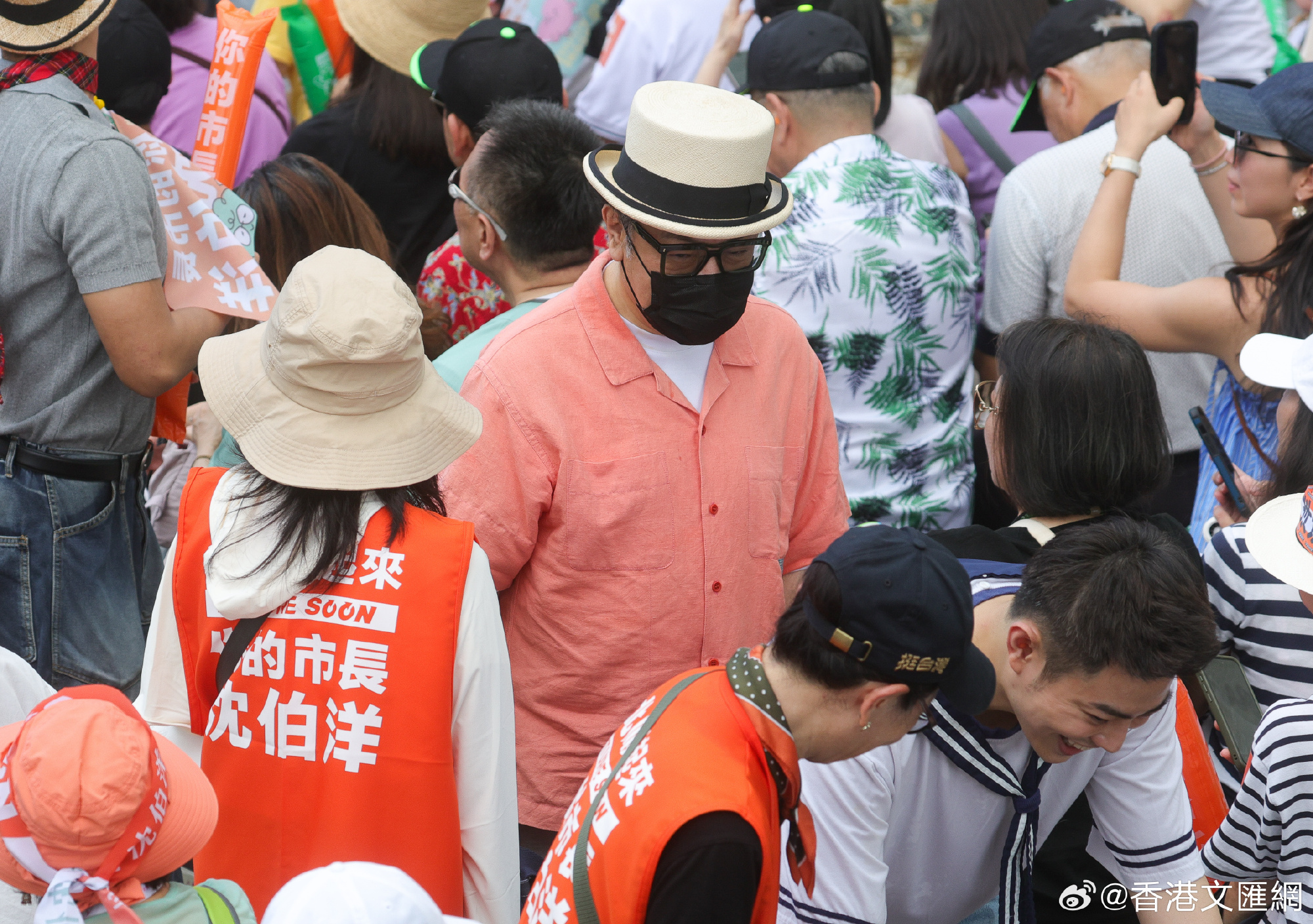
The photograph was unremarkable and that was the point: a man in a bright orange shirt, black face mask, dark glasses and a straw boater, sitting in the front rows of a rally in Taipei. It was taken on October 4 at the campaign launch of Shen Po-yang, a Taiwanese legislator and security scholar running for mayor. The man in the boater was Kevin Tsai, the Taiwanese television host whose wit anchored Kangxi Lai Le for twelve years and whose Beijing-published books on conversation taught a generation of mainland readers how to talk. The Hong Kong outlet that carried the picture noted that Tsai, who rarely appears at political events, had been "caught on camera" by Taiwanese media.
His agent's response was an exercise in the genre Tsai helped define: he is "considering interviewing the two Taipei mayoral candidates," the statement said, so he would "try to understand the careers and views of both candidates." Mainland readers were not buying it. On Weibo, posts dissecting the appearance drew tens of thousands of likes within hours — one, arguing that Tsai's famously detached style would lead him to smile and say nothing, drew nearly 12,000 — and the host's name held three separate slots on the evening's trending list. Shen, whom Beijing lists among "stubborn" pro-independence figures, is not, in the mainland's reading, a man whose campaign launch one attends out of journalistic curiosity.
The pivot to business came the same night. The carmaker Leapmotor found itself tagged into the story because Tsai has fronted its events, and posts circulated screenshots of the company's official Weibo statement: Leapmotor "has always adhered to the One China principle," Taiwan is an inalienable part of Chinese territory, and it would no longer work with the artist in question. A post walking through the screenshots drew hundreds of likes; one user asked, in a sentence that could stand for the whole affair, whether a brand really does no background check before signing a celebrity. For Leapmotor, the stakes are straightforward: it is one of the new-generation EV makers whose fortunes depend on reading the political room at home, and cutting Tsai loose was less a statement of principle than the cheapest exit available.
The affair has caught Tsai at a particular moment. For years he occupied a comfortable position on both sides of the strait: a Taiwanese host whose interview style made him acceptable to mainland audiences while remaining unmistakably himself, and who marketed that ambiguity as a skill set — the books, the lectures, the "emotional intelligence" brand. A segment of his mainland audience is now performing the accounting that fans do: one widely shared post noted that fellow Taiwan media figures once seen as reliably pro-mainland had also drifted, and asked what that means for people who "earned sentiment money" from both sides. Others defended him, more faintly, saying a man attending a rally is not a man endorsing a platform.
There is a structural point here that the shouting has half-obscured. Mainland entertainment money and Taiwanese celebrity have coexisted for two decades on an understanding that neither side would ask the other hard questions; the relationship survived an era of loosening cross-strait ties and mostly survived the era of tightening ones, because performers like Tsai kept politics out of frame. This run-in suggests the frame itself has collapsed — that an appearance, even a masked and silent one at somebody else's rally, is now treated as a statement. Similar logic recently caught the singer Hebe Tien, who said she now speaks "very carefully" after her mainland projects paused over a photograph with an independence-leaning figure. Tsai has offered no further comment, and given his style of public relations, the agent's line about "understanding both candidates" may well be the last word he plans to say. Whether mainland viewers are willing to leave it there, rather than at the exit Leapmotor has already walked through, is the open question the holiday week ends on.