Korea Murder: Suspect Admits Killing Chinese Student Over 'Marriage Dispute' as Court Issues Arrest Warrant
The lecturer accused of killing Chinese graduate student Wen Wen admitted the killing during police questioning, saying a dispute over marriage led to the attack. A Daegu court issued an arrest warrant on August 27, citing flight risk, while police reconstruct how he disguised himself in women's clothing to flee and then walked into a police station to report her missing.
The case of a Chinese graduate student killed in South Korea moved from suspicion to legal fact on August 27, as the suspect admitted the killing in police questioning and a court issued an arrest warrant. The 30-year-old former university lecturer told investigators that the victim, his former student, had been pressing for marriage and that their dispute led to the attack, according to a widely shared Weibo account of his statement — though police have cautioned that this is only his version of an event the victim can no longer contradict.
The admission filled in part of a grim chronology that has held Weibo's attention for days. The woman, a graduate of a university in Gyeongsan, flew into Daegu on August 19 to collect her diploma. She went to the suspect's home in Gyeongsan late on August 20 and was never seen alive again. Police say surveillance cameras outside his residence recorded the two entering together, with no sign of force, and her last message to her family in China came at roughly the same time. When the suspect reported her missing the next day, the search ended up pointing back to him: her body was found inside his residence on August 25.
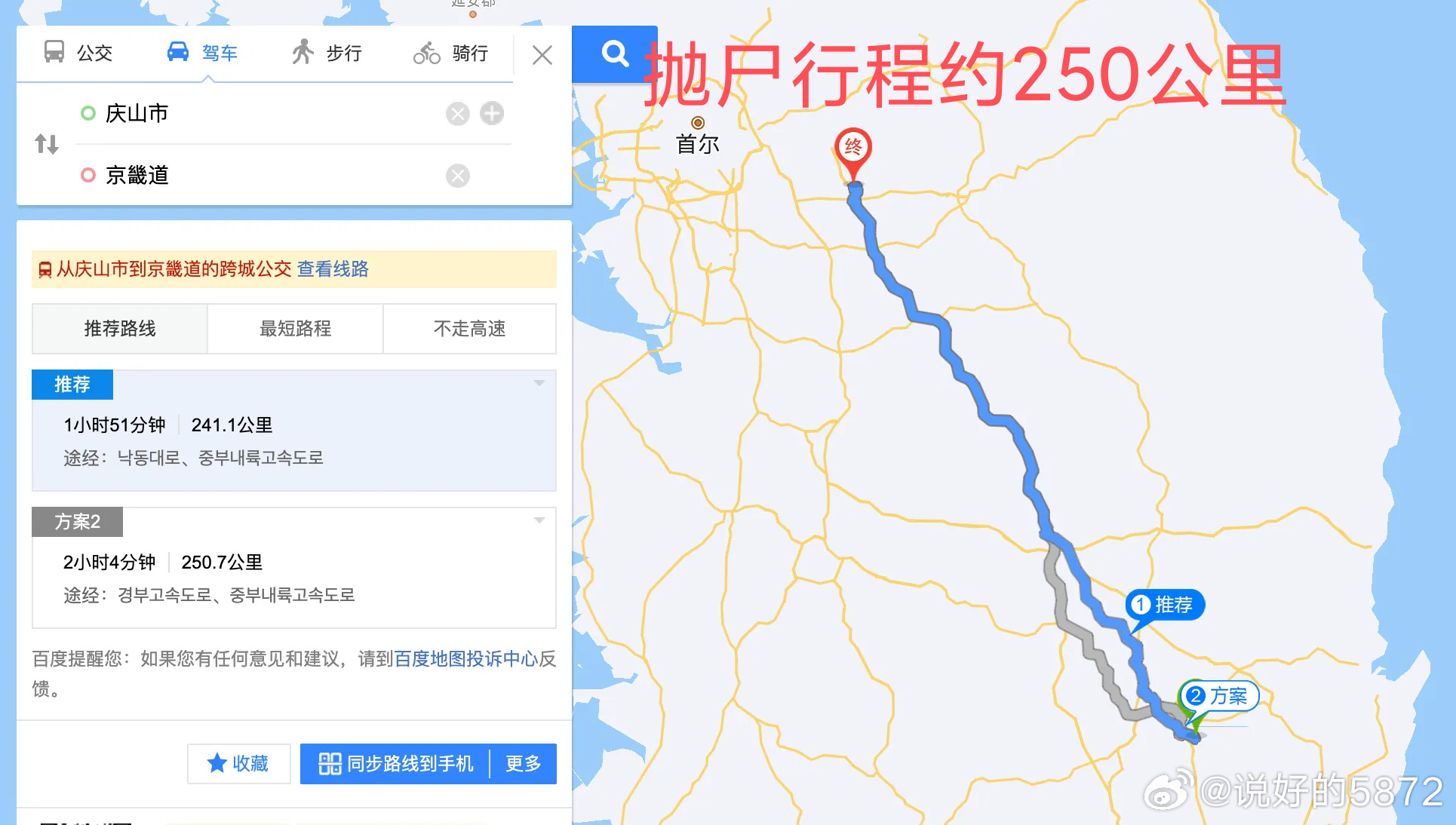
What followed the killing is the part investigators are now painstakingly reconstructing. The suspect has told police he destroyed the body and scattered the remains across Gyeongsan and sites as far away as Gyeonggi Province, The Paper reported. In the hours after the crime, surveillance footage captured him wearing women's clothing — apparently posing as the victim — as he rode a taxi toward Dongdaegu Station and switched off her phone. He then returned to police as the missing-person reporter, the same contradictory role this site traced in its look at how the suspect invented the missing-person report.
For the family in China, the confirmation of what happened has arrived in fits and starts. Earlier coverage on this site noted that her parents had still not been told their daughter was dead, and state media has since reported that China's consulate in Busan is pressing for a full account. The court's arrest warrant, issued because investigators consider him a flight risk, clears the way for formal prosecution while the search for remains continues at waste-incineration sites named in his statement.
The case has cut unusually deep in China because it flips a familiar script. Chinese students and workers abroad are often the figures at the center of stories about racism or violence in the host country. Here the suspect is a fellow Chinese national and a former lecturer at the same university — someone the victim had trusted within the tight network of Chinese students in Gyeongsan. The disguise, the false missing-person report and the scattered remains have turned it from a crime story into a cautionary tale about the enclosed world of overseas Chinese communities, where academic mentors can also be the source of danger.
The geography of the case can be read in the distances involved. A map annotated by a Weibo user lays out the roughly 250-kilometre route between Gyeongsan and the Gyeonggi Province sites named in the suspect's statement.
The next stages will be watched closely on Weibo: forensic confirmation of the time of death, the search of the places named in his statement, and whether police verify his claim that the motive was marriage. The arrest warrant means the case can now proceed past speculation into evidence.