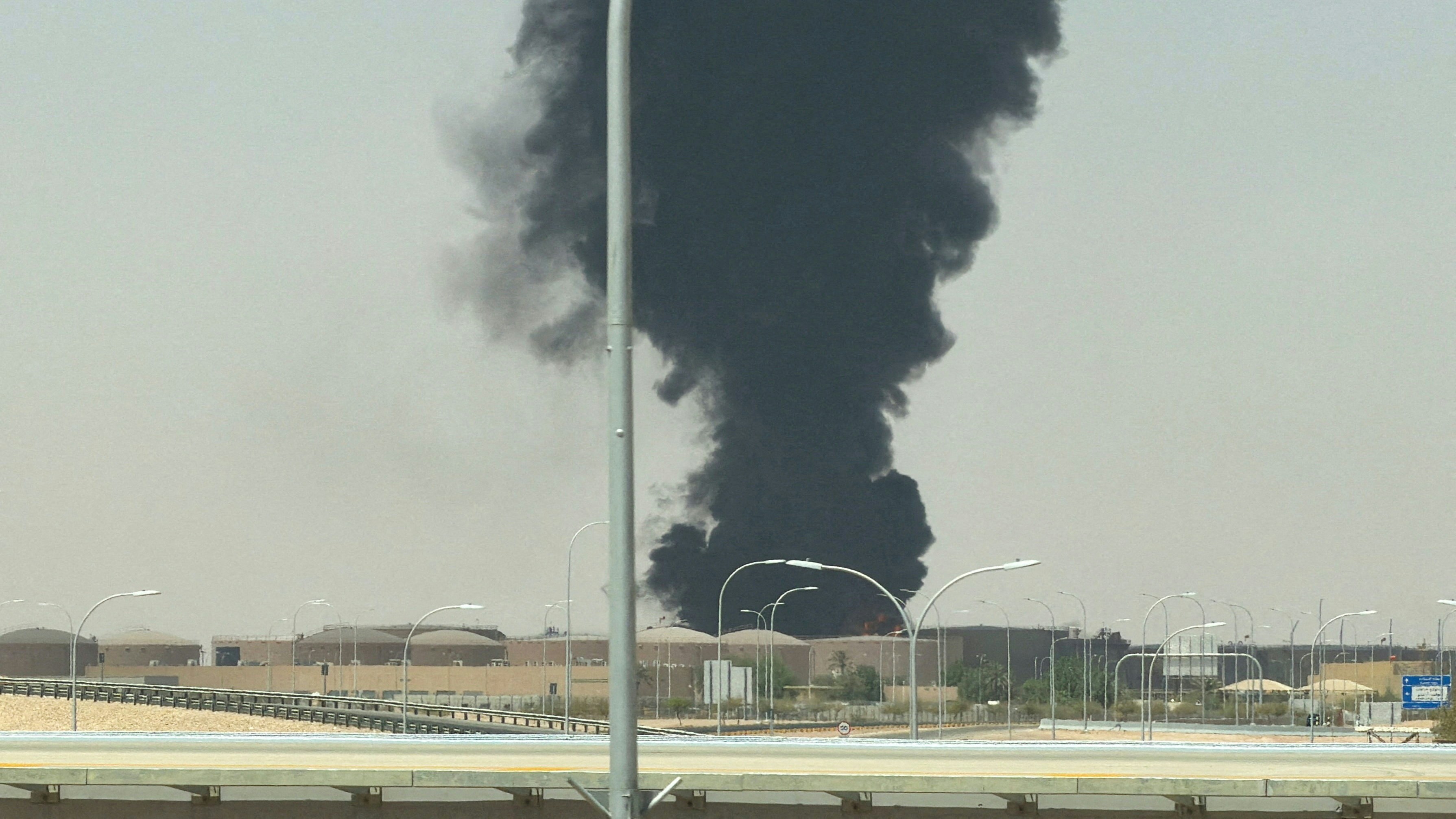
Houthi Attack on Riyadh Airport Kills 12, Injures 309, and Shuts a Terminal
A Houthi strike on Riyadh's main international airport killed 12 people of eight nationalities and wounded 309, closing part of the facility. It was the third attack on the hub in a week, and China's embassy has told its citizens in Saudi Arabia to cut non-essential travel.
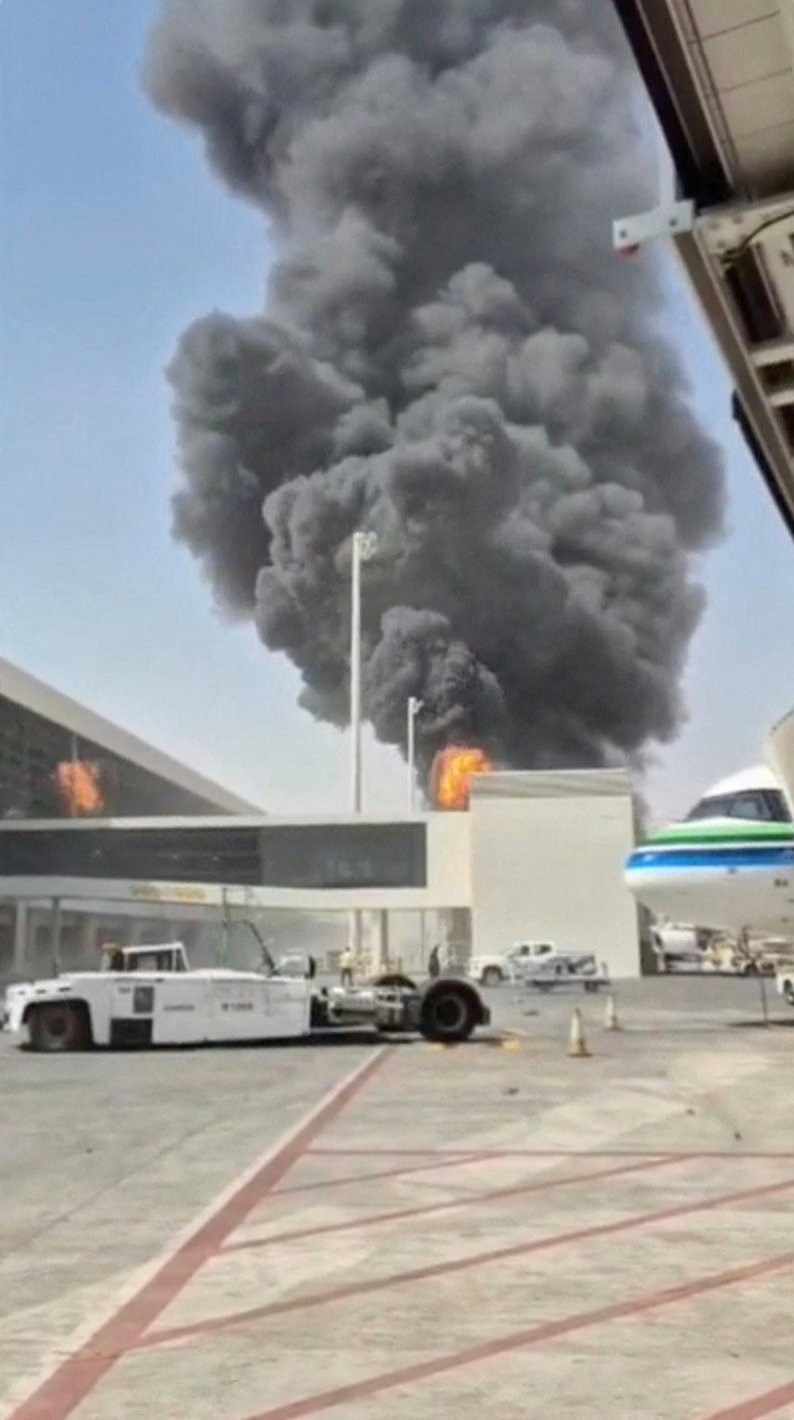
The blast reached the terminal at about three in the afternoon on October 10. Passengers inside Terminal 2 of Riyadh's King Khalid International Airport heard an explosion from the adjacent Terminal 3, and, in the account one Chinese traveller later gave reporters, panic spread through the concourse — several women and children, he said, were "frightened to tears." Video shared on social media soon after showed a heavy column of black smoke and orange flames rising behind a row of airport buildings.
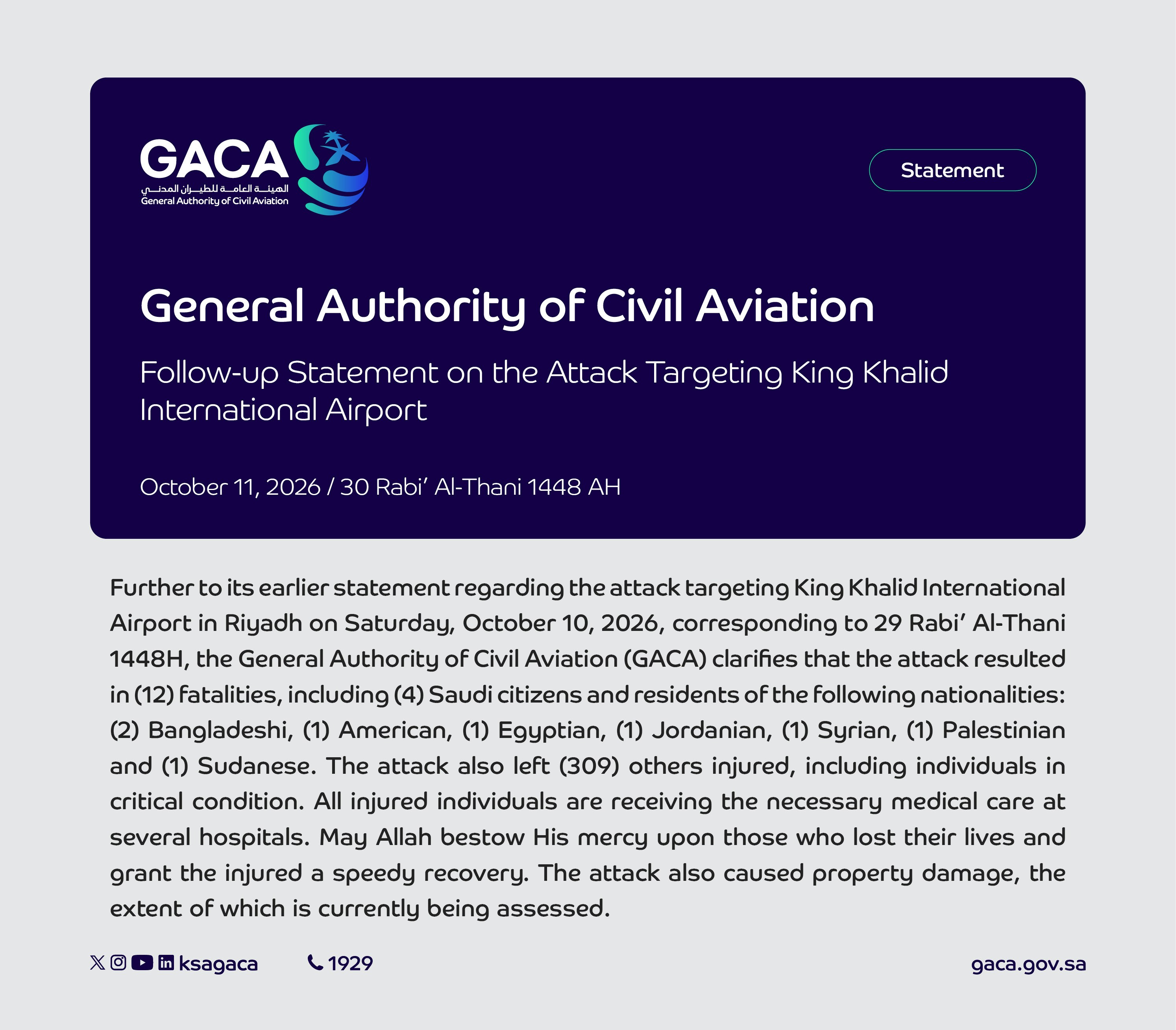
Saudi Arabia's civil aviation authority confirmed early on October 11 that the strike, claimed by Yemen's Houthi movement, had killed 12 people and wounded 309. The dead carried eight nationalities: four Saudi citizens and two Bangladeshis, plus one person each from the United States, Egypt, Jordan, Palestine, Sudan and Syria. Some of the wounded remain in serious condition, and the airport has suspended operations pending a damage assessment. The Chinese embassy in Riyadh, which published an emergency hotline, said it had received no reports of Chinese casualties — while noting local reports of "widespread anomalies" at other airports in the kingdom.
It was the third attack on the capital's main airport in a week: strikes on October 8 had already killed three Saudis, according to the aviation authority. The Saudi-led coalition has now labelled the terminal attack a "war crime" and a "terrorist act", and vowed a decisive response; it said it intercepted a ballistic missile aimed at Al-Kharj, outside Riyadh, hours afterwards. The Houthis' spokesman, Yahya Saree, has warned the engineers and workers at Saudi oil facilities to leave sites the group designates as targets, and Houthi-affiliated media claimed, in a pointed flourish, to have "closed Riyadh International Airport".
The American response is hardening. Secretary of State Marco Rubio confirmed that one American citizen was among the dead and said Washington "strongly condemns" the attacks; President Donald Trump, asked whether the United States might join Saudi strikes against the Houthis, said it may, with a decision to come "quickly". As Hong Kong's HK01 summed up the regional picture, the US–Iran conflict has now spread to Yemen, with the Strait of Hormuz not yet fully reopened to shipping and the Bab el-Mandeb strait, further south, also under fire.
Chinese readers followed the story as geopolitics and as travel risk at once. Xinhua's dispatch on the casualty toll drew hundreds of reposts within hours, and one Weibo analyst argued that hitting a civilian airport "crossed a line" — reading the attack as retaliation from a movement under real pressure, since Saudi-backed forces have retaken ground along Yemen's Red Sea coast, including the port of Mokha near Bab el-Mandeb, and the Houthis had just declared Saudi airspace a military operations zone. For China, the world's largest crude importer, the alarm is as much economic as consular.
Beijing's advice to its own citizens is blunt: the embassy told Chinese institutions and individuals in Saudi Arabia to cut out non-essential trips and, for anyone planning to transit through Riyadh, to "carefully consider" the plan. The airport stays shut until the safety checks are done — and the Houthi warning to oil-facility workers suggests the targeting may not stop at terminals.