Kunqu Opera Met Rap on 'Call Me by Fire' — and the Original Singer Loved It
On Saturday night, 'Call Me by Fire 2026' staged a Kunqu-opera-and-hip-hop version of Wang Leehom's 'Zai Mei Bian', performed by comedian Xiao Shenyang, host Tang Jiuzhou and young performer Yan An — and fan score-trackers logged it as the season's highest-scoring stage. The original singer approved within hours; a teammate's elimination gave the same night its bitter edge.
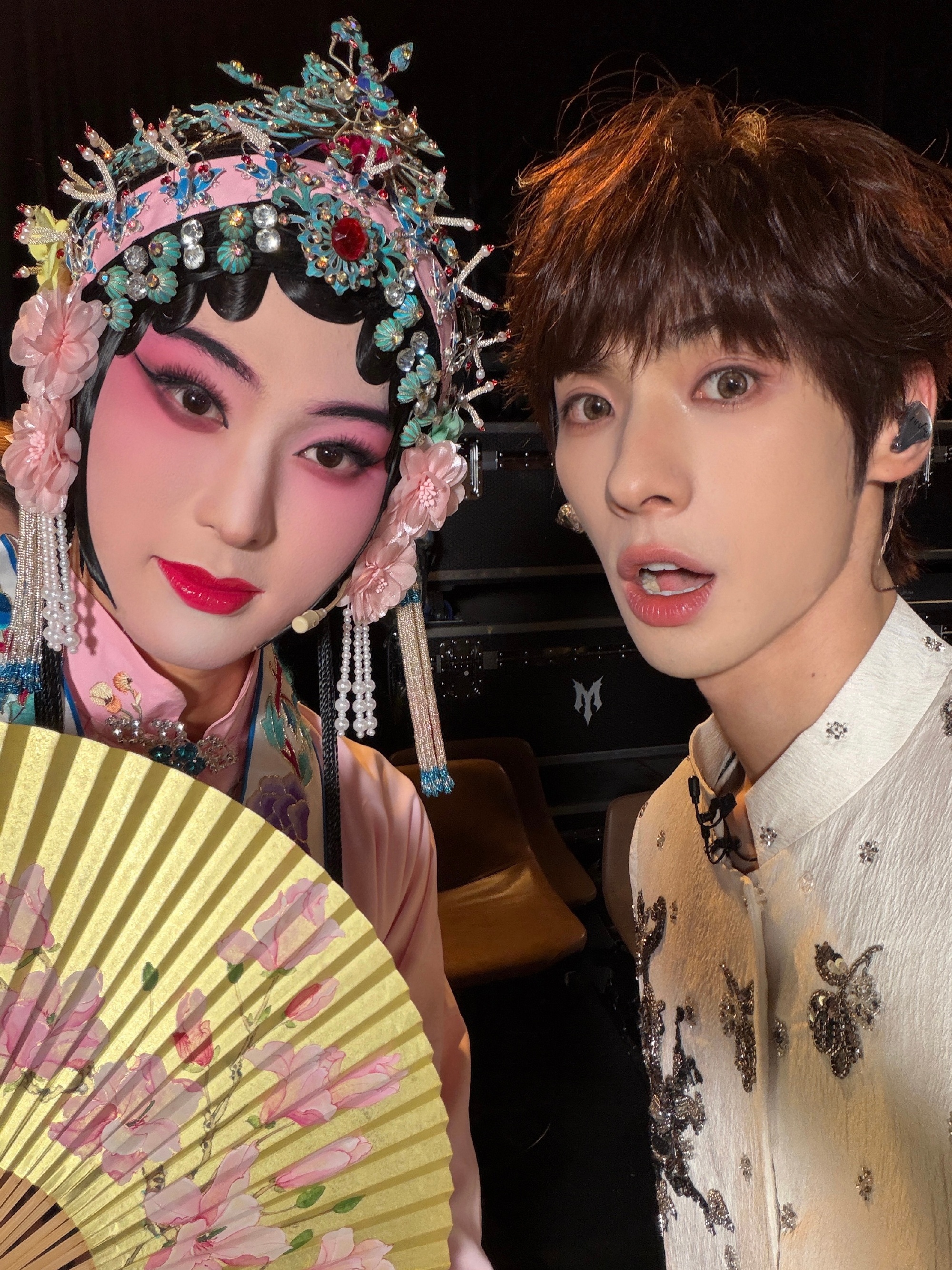
The season's best-remembered stage of Mango TV's "Call Me by Fire 2026" (披荆斩棘) opened not with a power ballad but with an operatic wail. In Saturday night's fifth-round live broadcast, comedian Xiao Shenyang, host Tang Jiuzhou and young performer Yan An rebuilt Wang Leehom's "Zai Mei Bian" as a Kunqu-opera-meets-hip-hop suite — and by Sunday it had topped the season's scoreboard. Fan score-trackers logged 898 "fire power" points, the highest of the season before bonuses, and Baidu's trending board carried the verdict as its own headline: "Zai Mei Bian" is Call Me by Fire's highest score of the season.
The song they picked already belongs to two worlds. Wang Leehom released "Zai Mei Bian" in 2005, at the vanguard of Chinese pop's flirtation with traditional opera; its title nods to a riddle in Tang Xianzu's "The Peony Pavilion", the sixteenth-century Kunqu masterpiece whose dream romance the song retells at rap speed. Kunqu — among the oldest of China's opera forms and one of UNESCO's first inscriptions of intangible heritage, in 2001 — is not an obvious fit for weekend prime time. The stage made the case anyway.
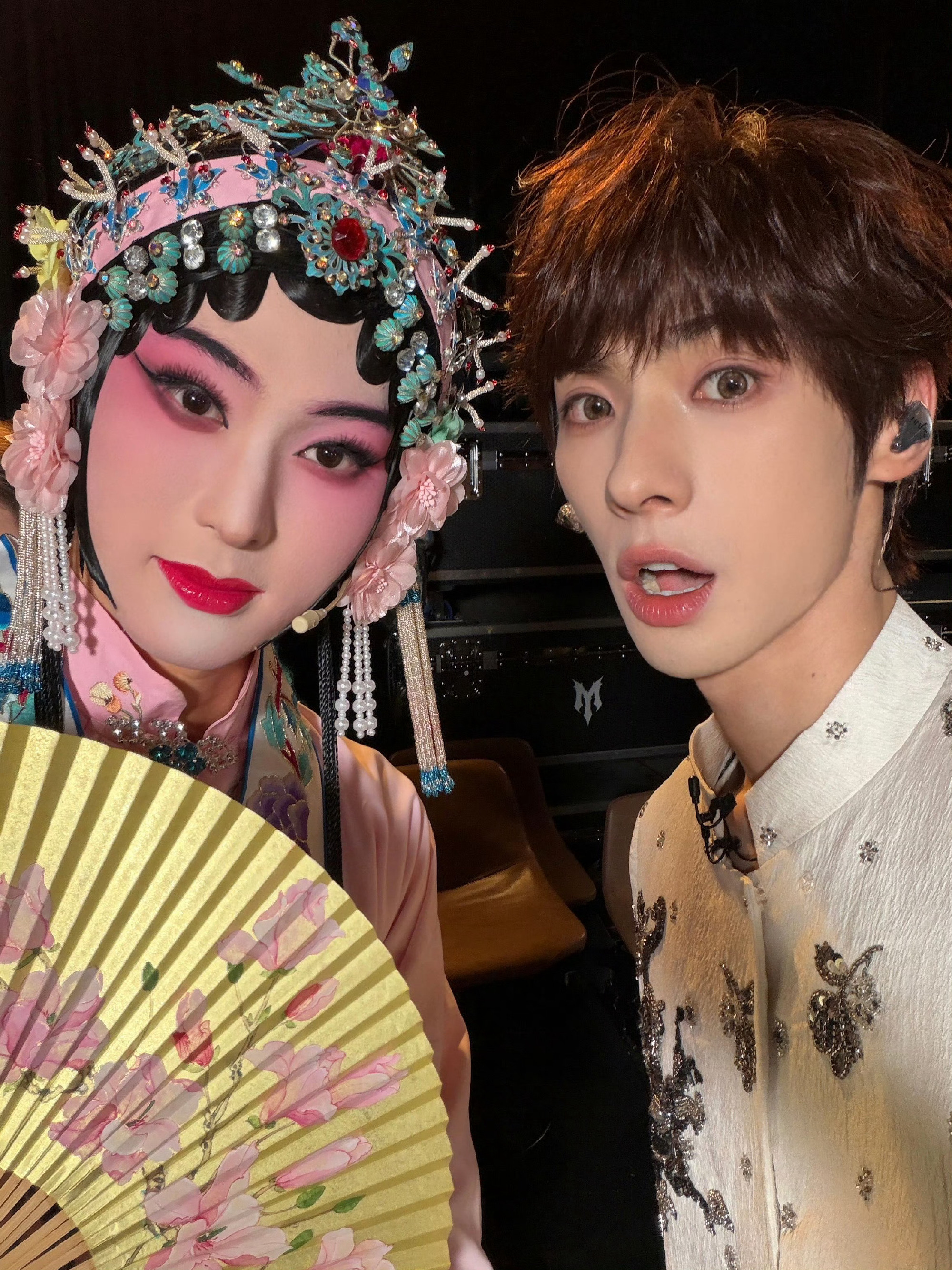
Tang Jiuzhou took on the female lead's entire apparatus — beaded headdress, pink robes, painted fan — and sang the opera passages in xiqiang, the heightened voice the form demands. Yan An carried the rap, including a stretch borrowed from guankou, the breathless patter of northern crosstalk comedy. One fan review, liked more than 34,000 times, called it "a god-tier stage" and singled out a cross-dressed lead who could genuinely sing the part. Xiao Shenyang, the team's captain, spent the number playing support: a comedian handing his own spotlight to two juniors.
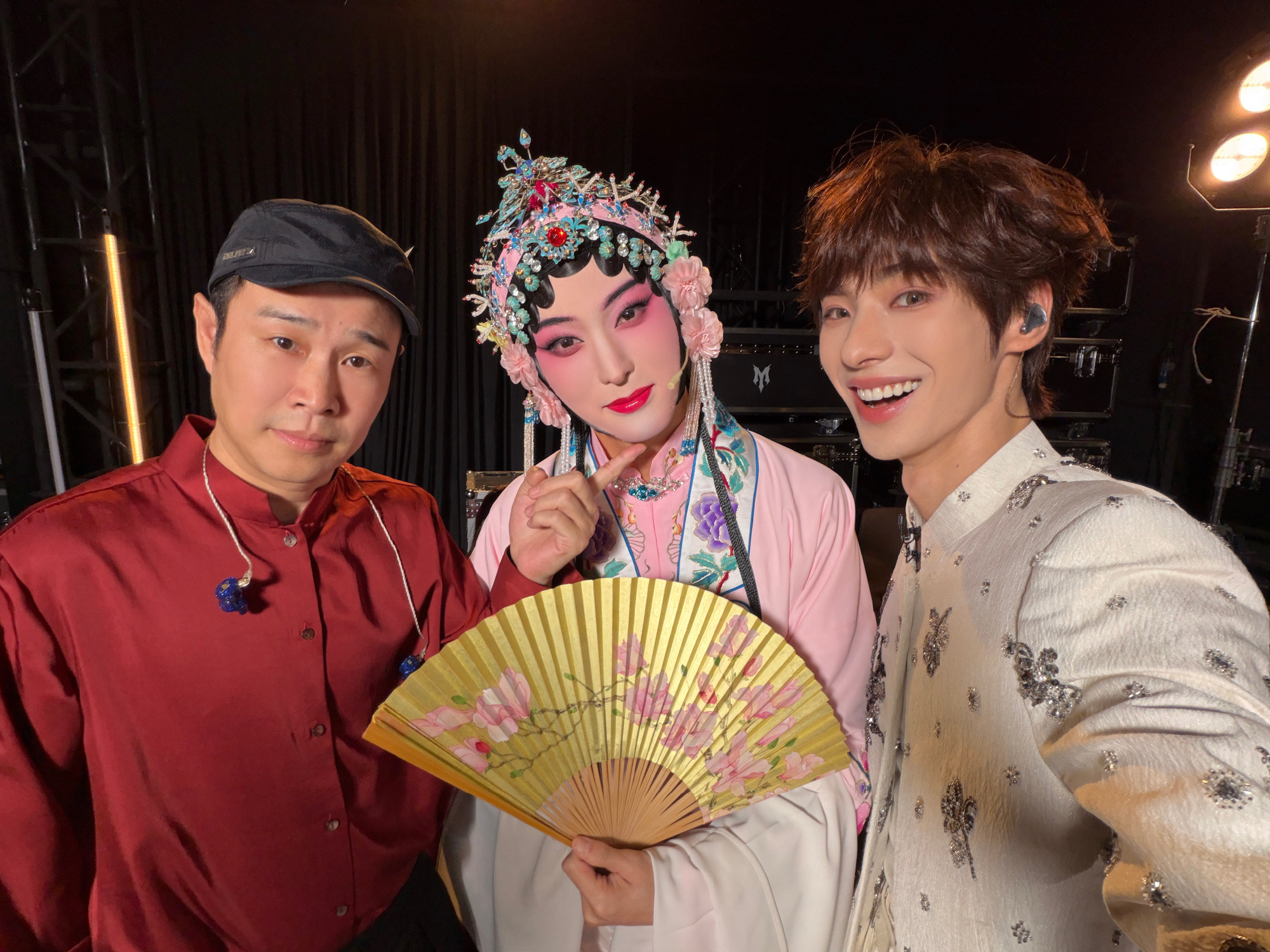
The show's production account billed it as "Kunqu mixed with rap, opera-singing and patter in turn", and the ultimate authority signed off within hours. Wang Leehom, having sung the same song at his own Zhengzhou concert that evening, reposted the clip from the car back to his hotel: "Just finished 'Zai Mei Bian' at my Zhengzhou show — and on the way to the hotel I see this cool new version. It's blazing!" (燃爆啦). Under the repost, Yan An left three consecutive "I love you"s, a minor internet event of its own.
The night had a bitter edge. Zeng Hui, a teammate who had angled all season to join Xiao Shenyang's crew, was eliminated at his first appearance on the elimination podium — by two points, on one fan's arithmetic. A camera close-up of Xiao Shenyang clenching his jaw trended as "Xiao Shenyang gritting his teeth", and the moment read as heartbreak rather than anger. Zeng Hui's exit speech stayed gracious: "I was one step short, and yes, I was greedy — I did want to sing a couple of songs at the finale. I hope you'll vote for me, but I hope you'll vote for them even more."
Fans left the broadcast arguing over the scoring itself — one long score-tracking post insisted the stage "should have gone past 900" and muttered about the show's habit of "managing" numbers. Whether that arithmetic holds through the finals is the season's open question. What Saturday already settled is that on Chinese prime-time television, a four-hundred-year-old opera voice and a rap verse can share a chorus — and the original singer says it worked.